Relevant issues of intellectual property protection of mechanical valves
In today’s globalized economic environment, the protection of intellectual property rights has become an important part of the development of enterprises and even countries. As an indispensable part of industrial production, the intellectual property protection of mechanical valves is equally crucial. This article will delve into the relevant issues of intellectual property protection of mechanical valves, including the types of intellectual property rights, the importance of protection, protection strategies, and how to deal with infringement, etc.
1. Types of intellectual property rights of mechanical valves
The intellectual property rights of mechanical valves mainly include patent rights, trademark rights, and trade secrets.
Patent rights: This is the most core type of intellectual property rights for mechanical valves, involving the innovativeness, novelty, and practicality of technical solutions. The term of protection for patent rights is generally 20 years, calculated from the date of application.
Trademark rights: Including registered trademarks and unregistered trademarks. Trademark rights protect the brand, name, logo, etc. of mechanical valve products to prevent others from using the same or similar signs without authorization.
Trade secrets: For certain technical details or business strategies that are not suitable for public disclosure, enterprises can choose to protect them through trade secrets.
2. The importance of intellectual property protection
Encouraging innovation: By protecting intellectual property rights, enterprises can encourage R&D personnel and engineers to continuously carry out technological innovation, thus developing more efficient and environmentally friendly mechanical valve products.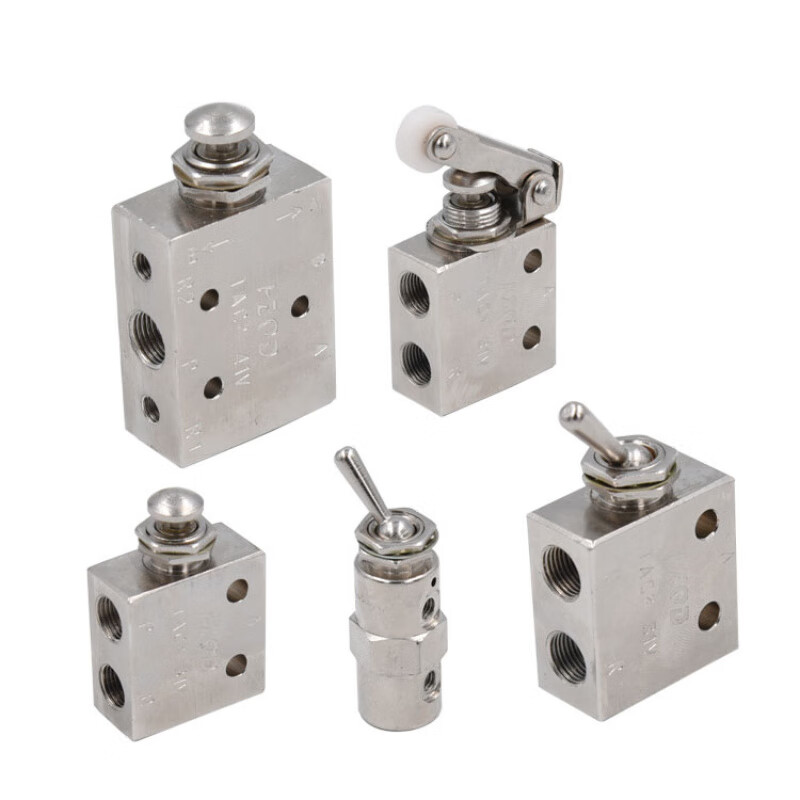
Enhancing competitiveness: Products with independent intellectual property rights can improve the competitiveness of enterprises in the market, preventing competitors from imitating or copying.
Avoiding economic losses: Promptly discovering and stopping infringement can effectively avoid economic losses caused by infringement and protect the legitimate rights and interests of enterprises.
3. Protection strategies
Applying for patents: For innovative mechanical valve technologies, patents should be applied for in a timely manner to ensure that the technical achievements are legally protected.
Strengthening trademark management: Regularly checking and updating trademark information to ensure the validity of trademarks, while avoiding the risk of others registering trademarks in their names.
Formulating a commercial secrets protection policy: For technical details that are not convenient to be disclosed, strict commercial secrets protection policies should be formulated to prevent them from being leaked to competitors.
Strengthening intellectual property training: Enhancing the awareness of intellectual property rights among enterprise employees, ensuring they understand how to identify infringement and know how to take measures.
4. Coping with infringement
Collecting evidence in a timely manner: Once infringement is discovered, evidence should be collected immediately, including but not limited to evidence of purchasing infringing products, records of infringing activities, etc.
Seeking legal assistance: Collaborating with professional intellectual property lawyers to protect their rights and interests through legal channels.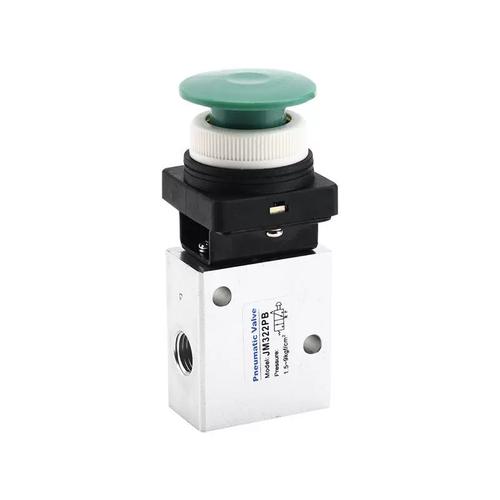
Negotiating with the infringing party: In some cases, negotiating with the infringing party is also a feasible option, reaching a settlement through negotiation to avoid the high costs brought by litigation.
In summary, intellectual property protection is a long-term and important task for mechanical valve enterprises. Through effective intellectual property strategies and proactive legal actions, enterprises can better protect their rights and interests, promote technological innovation, and enhance market competitiveness.