Energy-saving effects of mechanical valves and related application technologies
In modern society, with the increasing demand for energy and the enhancement of environmental protection awareness, energy-saving technology has become an important research direction in the industrial field. As a common fluid control device, mechanical valves play a key role in many fields such as industrial production, building heating, and cooling systems. This article aims to discuss the application effects of mechanical valves in energy saving, as well as related energy-saving technologies.
Basic principles of energy saving in mechanical valves
The working principle of mechanical valves is mainly to control the production process by regulating the flow rate and pressure of fluids. By precisely controlling fluid flow, unnecessary energy loss can be avoided, and the efficiency of the system can be improved. For example, in air conditioning systems, mechanical valves can effectively regulate the air volume, avoiding energy waste caused by excessive cooling or heating.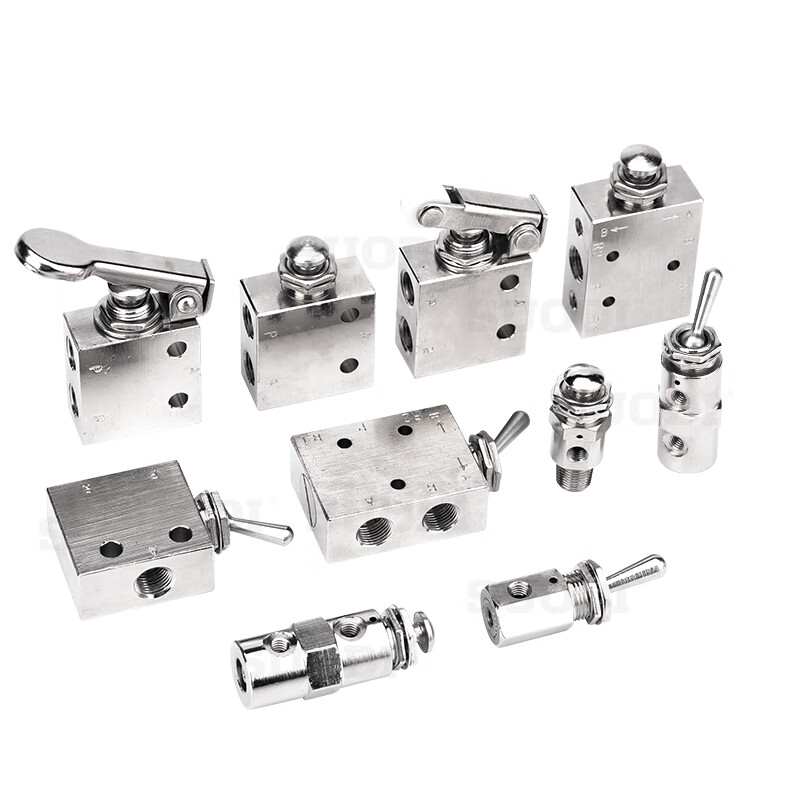
Analysis of energy-saving effects
Reducing energy losses: By precisely controlling fluid flow, unnecessary energy waste can be avoided, thereby reducing energy consumption. In the process of industrial production, optimizing the use of valves can significantly reduce energy consumption.
Improving system efficiency: By precisely controlling fluid flow, energy waste caused by excessive adjustment can be avoided. For example, in heating systems, precise control of valves can prevent heat loss caused by excessive heating.
Extending equipment life: Reducing unnecessary energy losses helps to extend the service life of equipment. By precisely controlling fluid flow, damage to equipment caused by overloading or excessive use can be reduced.
Application of relevant energy-saving technologies
Intelligent valve control system: By utilizing Internet of Things technology, combined with sensors and data analysis, intelligent control of valves can be achieved. Through real-time monitoring of the system’s operating status, the valve opening can be automatically adjusted to achieve energy-saving effects.
Energy-saving valve materials: The use of new materials with high thermal conductivity and low friction coefficients can reduce energy losses during the operation of valves. The application of these new materials not only extends the service life of valves but also further enhances the energy-saving effect of the system.
Optimized valve design: By optimizing the design of valves, the accuracy of fluid control can be improved. For example, valves with streamlined designs can reduce resistance losses during fluid flow, thereby achieving energy-saving effects.
Conclusion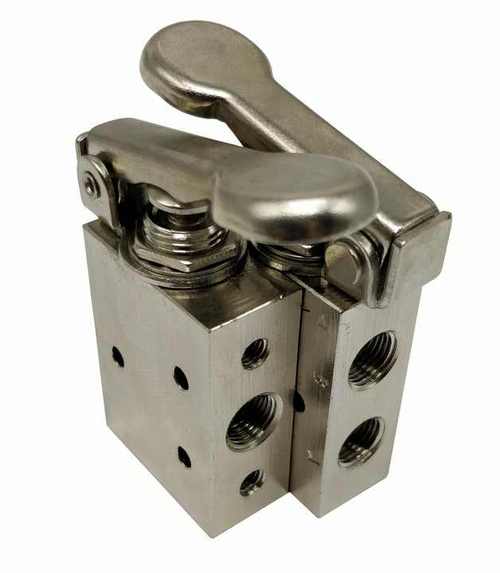
The mechanical valve, as a fluid control device, plays an important role in energy saving. By adopting advanced intelligent control technology, new materials, and optimized design, the energy-saving effect of mechanical valves can be further improved. In the future, with the continuous advancement of energy-saving technology, mechanical valves will have greater energy-saving potential in a wider range of fields, contributing to the achievement of sustainable development goals.