As the core component of hydraulic control system, servo valve is widely used in aerospace, industrial automation, robots and other high-precision control fields. Its function is to convert tiny electrical signals into hydraulic output, so as to realize high-precision control of the actuator. The traditional servo valve mostly adopts multi-stage structure, such as two-stage or three-stage servo valve, to improve the response speed and control accuracy. However, in practical application, the complex structure also brings some problems, such as high manufacturing cost, difficult maintenance and decreased reliability. Therefore, simplifying the structure of single-stage servo valve and improving its performance and practicability has become an important research direction in the field of hydraulic control.
Firstly, the key to simplify the structure of single-stage servo valve is to optimize its internal mechanical design. The traditional servo valve usually adopts nozzle baffle or jet pipe pilot stage structure. Although this structure has high accuracy, it has many mechanical parts and complicated assembly. By introducing new electromagnetic drive technology, such as proportional electromagnet or moving coil actuator, the mechanical transmission links can be effectively reduced, thus simplifying the valve body structure and improving the response speed.
Secondly, the progress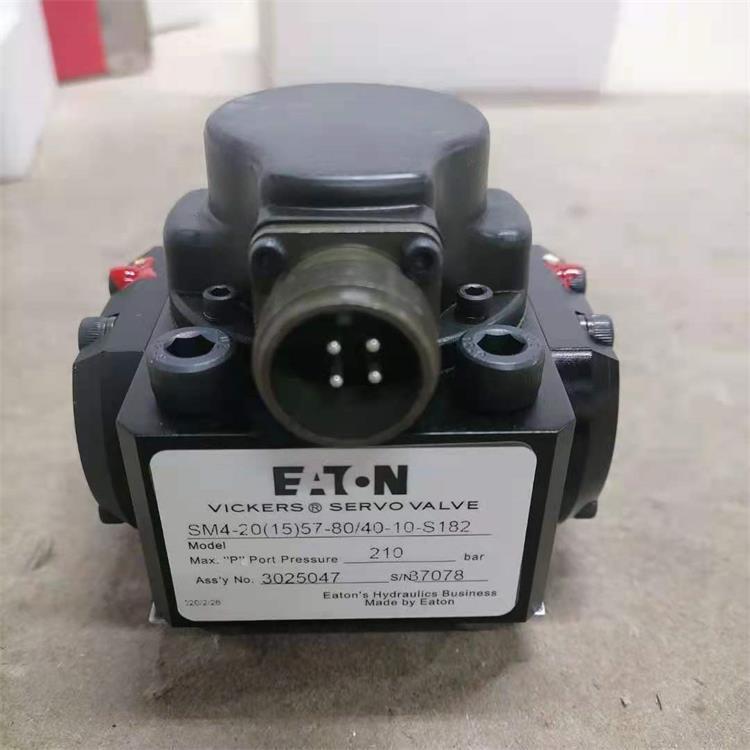 of modern materials and manufacturing technology makes it possible to simplify the structure. For example, the use of soft magnetic materials with high permeability and low hysteresis can reduce the volume and energy consumption of electromagnetic driving components; Using 3D printing and micromachining technology can realize the integrated processing of complex runner, reduce the number of parts, and improve the sealing and reliability.
Furthermore, integrated design is also an important means to simplify the structure. By integrating sensors, controllers and actuators, not only can the number of external connecting parts be reduced, but also the overall response performance of the system can be improved. In addition, the combination of digital control technology and intelligent algorithm can realize accurate control of valve opening and further reduce the dependence on physical structure.
Finally, while simplifying the structure, we must ensure that the basic performance of the servo valve is not reduced. The flow channel design, control parameters and sealing structure should be optimized through simulation analysis and experimental verification, so as to ensure that good dynamic response, flow control accuracy and anti-pollution ability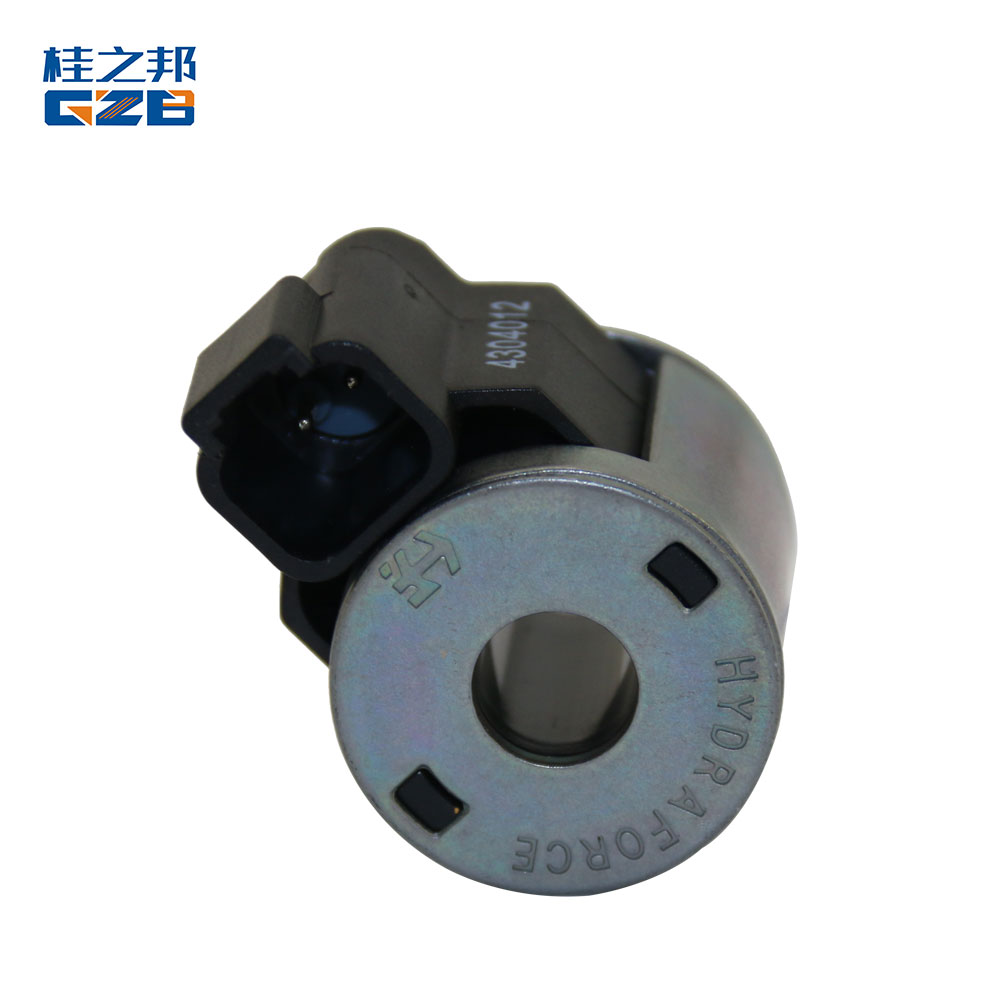 can be maintained while simplifying the structure.
To sum up, by optimizing mechanical design, applying new materials and advanced manufacturing technology, and promoting the development of integration and intelligence, the structure of single-stage servo valve can be greatly simplified on the premise of ensuring performance. This not only helps to reduce the cost and improve the reliability, but also provides the possibility for the application of servo valves in a wider range of fields. In the future, with the continuous progress of technology, servo valve products with simpler structure and more powerful functions will continue to emerge, injecting new vitality into the development of modern industrial control systems.