Research on the effect of mechanical valve structural optimization on function improvement
I. Introduction
In the modern industrial field, as an important fluid control device, the performance of mechanical valves directly affects production efficiency, product quality, and energy consumption. The performance optimization of mechanical valves, including structural optimization, material selection, and processing technology improvement, is the key to improving the functions of mechanical valves. This article aims to discuss the effects of structural optimization of mechanical valves on function improvement, in order to provide a reference for research and application in related fields.
II. Significance of mechanical valve structural optimization
Structural optimization of mechanical valves refers to improving their performance by changing the structural design of mechanical valves. Structural optimization not only includes the selection of dimensions, shapes, and materials but also includes the assembly and installation methods of mechanical valves. The optimized mechanical valve can not only better control fluid flow but also improve the service life of the valve, reduce energy consumption, and increase production efficiency.
III. Approaches to mechanical valve structural optimization
Dimension optimization: Dimension optimization mainly involves adjusting the dimensions of the mechanical valve to match the flow characteristics of the fluid. For example, for high-viscosity fluids, a larger valve core cross-sectional area needs to be designed to reduce the fluid flow resistance.
Shape optimization: Shape optimization mainly involves changing the shape of the valve core to better adapt to the flow characteristics of the fluid. For example, for fluids containing particles, the valve core shape needs to be designed with sufficient strength to prevent clogging by particles.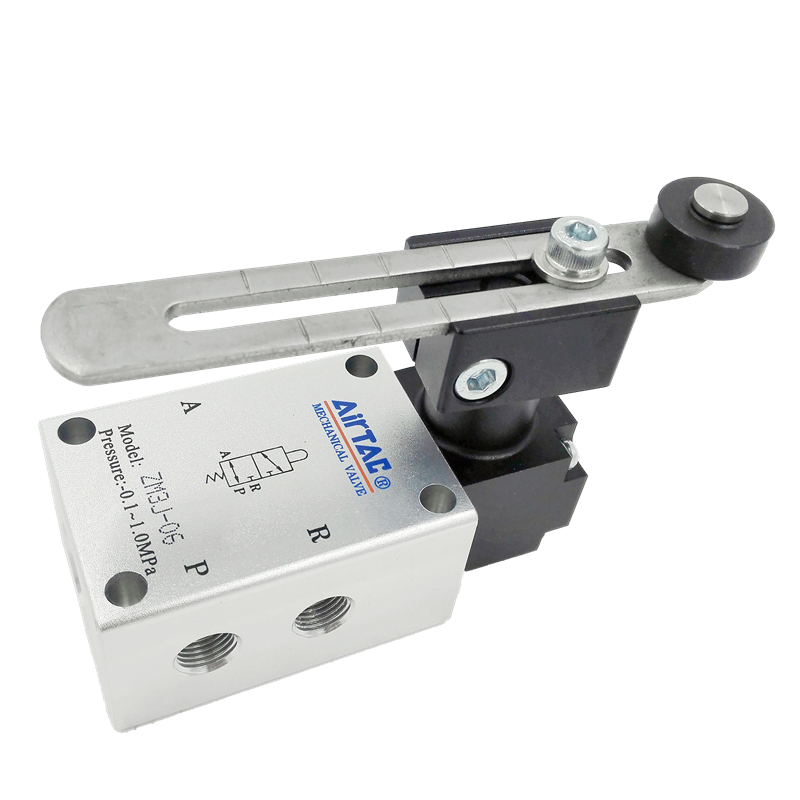
Material optimization: Material optimization mainly involves selecting appropriate materials to improve the corrosion resistance and wear resistance of mechanical valves. For example, for mechanical valves containing corrosive fluids, materials with high corrosion resistance should be chosen.
Optimization of processing technology: The optimization of processing technology mainly involves improving the processing technology of mechanical valves to enhance their processing accuracy and surface quality. For example, for mechanical valves with high precision requirements, high-precision processing equipment and technology are needed.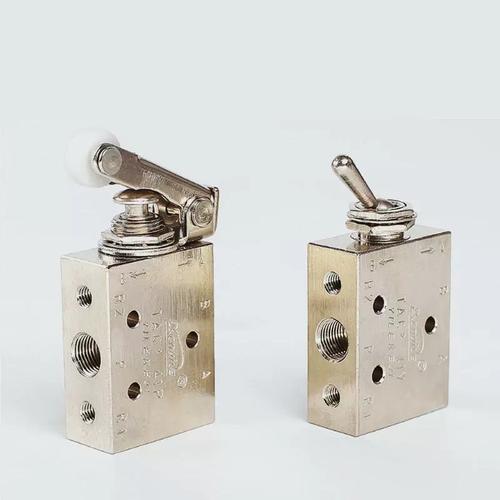
IV. Effects of mechanical valve structural optimization
Improved performance of mechanical valves: The optimized mechanical valve has significantly improved its performance, such as control accuracy, response speed, and service life.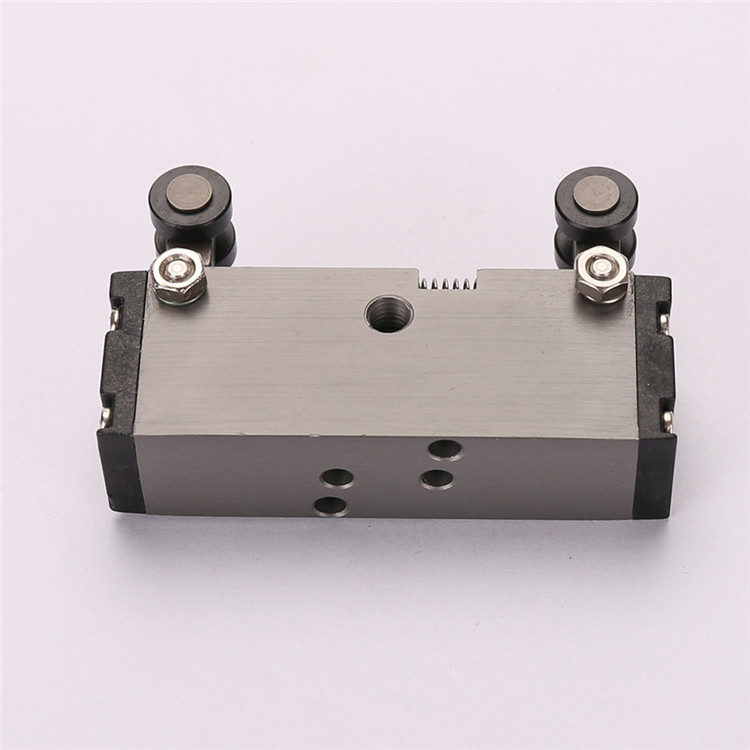
Reduced energy consumption: The optimized mechanical valve has significantly reduced energy consumption, such as reducing the number of valve openings and closings and reducing the fluid flow resistance.
Increased production efficiency: The optimized mechanical valve has significantly improved production efficiency, such as reducing downtime during the production process and improving the continuity of the production process.
V. Conclusion
The structural optimization of mechanical valves has a significant effect on improving their functions. By optimizing dimensions, shapes, materials, and processing technologies, the performance of mechanical valves can be enhanced, energy consumption can be reduced, and production efficiency can be improved. Therefore, structural optimization of mechanical valves is the key to improving their functions, and it is of great significance for improving production efficiency and product quality.