The establishment of a course system for mechanical valve operation training
In the industrial field, as a key equipment for fluid control, the accuracy and efficiency of the operation and maintenance of mechanical valves directly affect production efficiency and product quality. Therefore, it is crucial to provide systematic training for personnel operating mechanical valves. However, the training for mechanical valve operation often has problems such as incomplete training content, single training methods, and difficulty in evaluating training effectiveness. This article discusses how to build a scientific, comprehensive, and effective training program for mechanical valve operation to improve training effectiveness and meet actual needs.
1. Course System Design
1.1 Clarify Training Objectives
Training objectives are the foundation for course design. When designing a training program for mechanical valve operation, it is first necessary to clarify the training objectives, including mastering the basic knowledge of mechanical valves, familiarizing with the operation process of mechanical valves, mastering the maintenance and maintenance methods of mechanical valves, and being able to handle common faults of mechanical valves.
1.2 Design of Course Content
The design of course content is the core of the training course system. The course content should cover the basic principles, types, operation methods, maintenance, and common fault handling of mechanical valves. In addition, it is also necessary to design corresponding course content based on the actual needs of the training audience. For example, for mechanical valve operators in different positions, the course content should be focused on, such as operators should focus on operation methods and fault handling, and maintenance workers should focus on maintenance and fault diagnosis.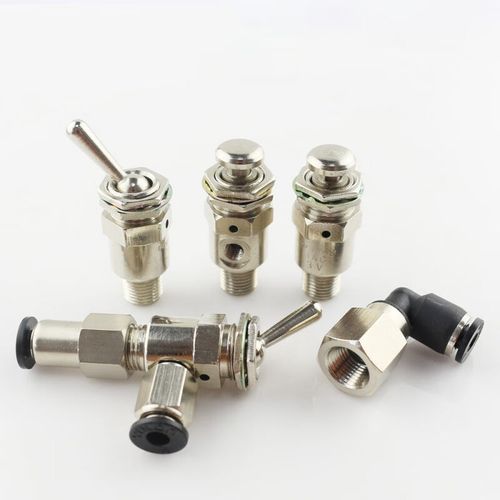
1.3 Design of Training Methods
Training methods should be designed based on the training content and target audience. For theoretical knowledge such as the basic principles and types of mechanical valves, teaching can be conducted through classroom lectures and video teaching. For practical operations such as operation methods and maintenance of mechanical valves, teaching can be conducted through simulation operations and on-site operations. For the handling of common faults of mechanical valves, teaching can be conducted through case analysis and simulation fault elimination.
2. Training Effectiveness Evaluation
2.1 Indicators for Evaluating Training Effectiveness
The indicators for evaluating training effectiveness should include the degree of mastery of theoretical knowledge, practical operation skills, and fault handling capabilities. These indicators can comprehensively reflect the effectiveness of training and provide a basis for subsequent training improvements.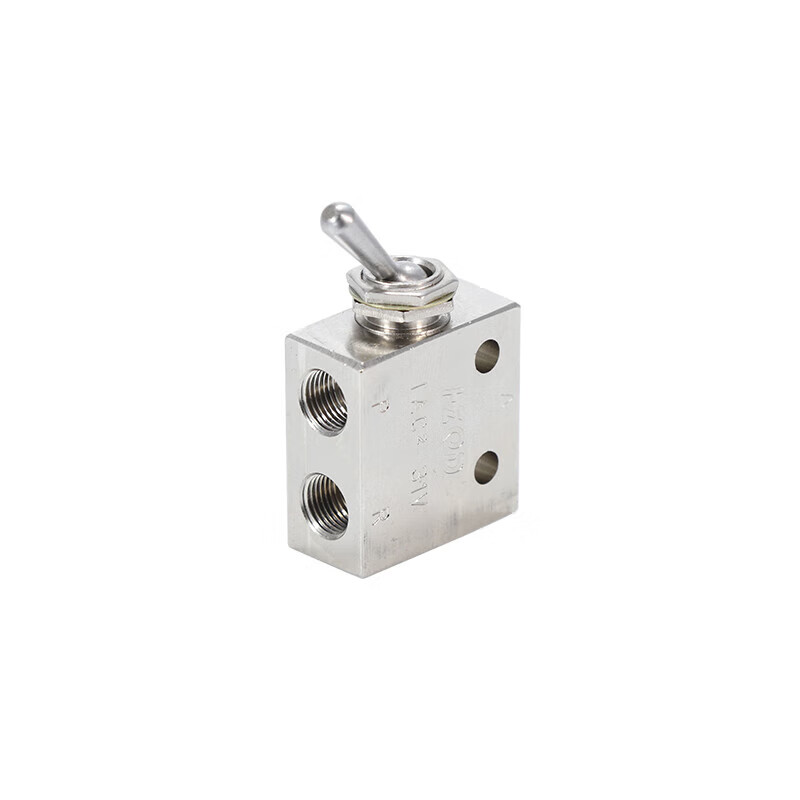
2.2 Methods for Evaluating Training Effectiveness
The methods for evaluating training effectiveness should include theoretical knowledge tests, practical operation assessments, and fault handling simulations. These evaluation methods can comprehensively assess the effectiveness of training and provide a basis for subsequent training improvements.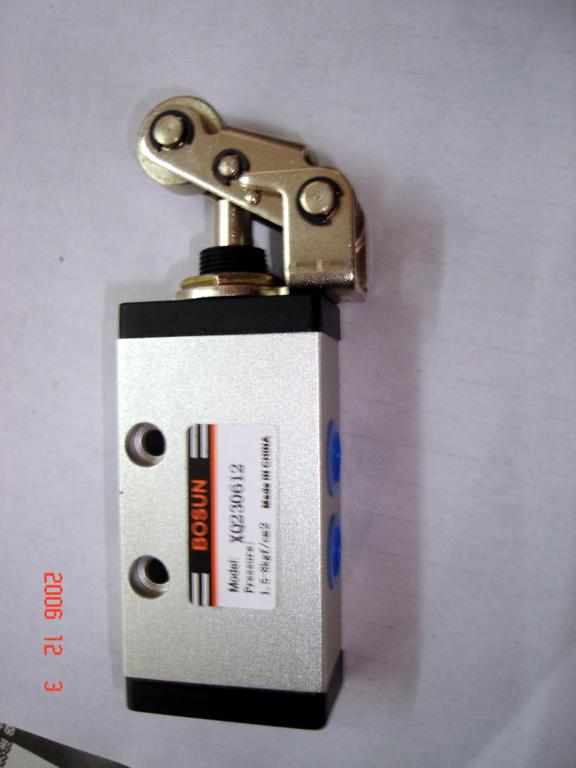
3. Summary
The establishment of a systematic training program for mechanical valve operation is a systematic project, which requires systematic design from aspects such as training objectives, course content, training methods, and training effect evaluation. Through the establishment of a scientific, comprehensive, and effective training program for mechanical valve operation, the operational skills and fault handling capabilities of mechanical valve operators can be improved, production efficiency and product quality can be enhanced, and strong support can be provided for the sustainable development of enterprises.