Directional control servo valve is a key component in hydraulic system, which is widely used in industrial machinery, aerospace, automation equipment and other fields. Its core function is to precisely control the flow direction of hydraulic oil, so as to achieve high-precision control of the movement direction of actuators (such as hydraulic cylinders or hydraulic motors). In practical application, “reversing” is one of the most basic and important functions of directional control servo valve.
First, the basic structure and working principle of directional control servo valve
Directional control servo valve usually consists of valve body, slide valve, pilot control part and feedback mechanism. Its working principle is based on the balance between electromagnetic force and hydraulic pressure. When an input electrical signal (usually an analog signal or PWM signal) is applied to the electromagnetic coil of the servo valve, the generated electromagnetic force will push the pilot spool to move, thus changing the pressure distribution of the control chamber and driving the main spool to move, thus changing the flow direction of hydraulic oil.
Second, the servo valve reversing process
The reversing process of servo valve can be divided into the following steps:
1. Signal input stage: the control system sends corresponding electrical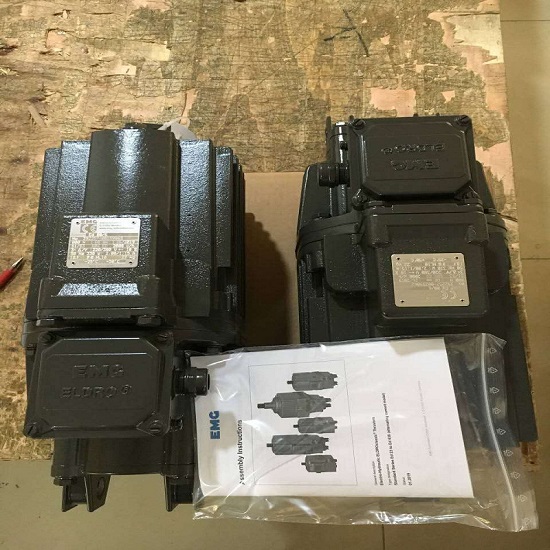 signals to the servo valve according to the requirements, and the magnitude and direction of the signals determine the displacement direction and amplitude of the slide valve.
2. Pilot valve action: the electromagnetic coil generates electromagnetic force, which moves the pilot valve core and changes the oil circuit connection state between the pilot cavity and the oil return cavity.
3. Displacement of main slide valve: The action of the pilot valve causes the pressure difference at both ends of the main slide valve to change, pushing the main slide valve to move to a new position.
4. Oil circuit switching: After the position of the main slide valve changes, the high-pressure oil is guided to different cavities of the actuator, thus realizing the movement direction change of the hydraulic cylinder or motor.
5. Feedback adjustment: Most modern servo valves have position feedback or force feedback mechanism, which can detect the position of the slide valve in real time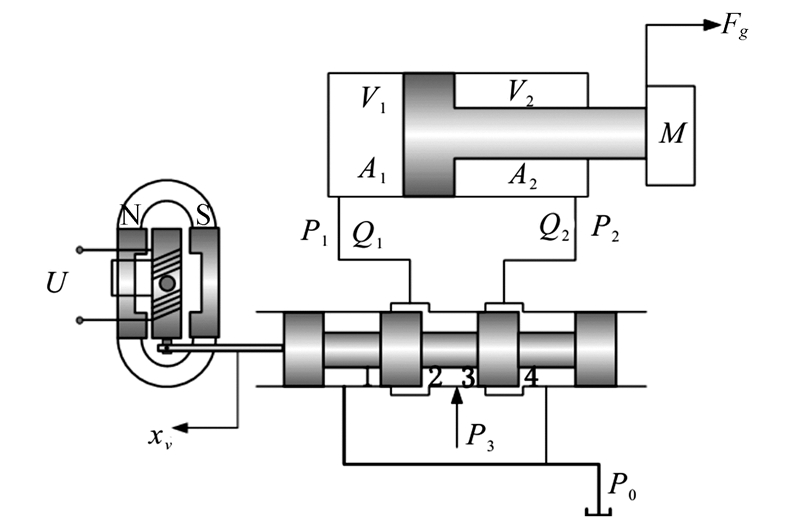 and compare it with the input signal to ensure the accuracy and response speed of the reversing process.
Iii. Influencing factors of commutation accuracy and response speed
1. Accuracy and stability of electrical control signals: High-quality control signals can improve the accuracy of commutation.
2. Cleanliness of hydraulic oil: impurities may jam the slide valve, affecting the reversing sensitivity and reliability.
3. Structural design of servo valve: such as the shape of the throttle groove of the slide valve and the response characteristics of the pilot valve will affect the commutation performance.
4. System pressure and flow: The pressure fluctuation and flow supply capacity of the system directly affect the dynamic response of the servo valve.
IV. Matters needing attention in practical application
When using the directional control servo valve for reversing operation, the following points should be noted:
-Maintain and clean the hydraulic system regularly to prevent particles from blocking or wearing the valve core;
-Use high-quality hydraulic oil and change it regularly;
-Ensure the stability of the electrical control system and avoid voltage fluctuation affecting the performance of the servo valve;
-Reasonable selection of servo valve model according to load characteristics to avoid overload operation;
-In high-precision control occasions, the closed-loop feedback system should be combined for precise control.
V. Conclusion
Directional control servo valve has become an indispensable core component in modern hydraulic control system because of its high responsiveness and high control accuracy. Mastering its commutation principle and application skills will not only help to improve the operation efficiency of the equipment, but also prolong the service life of the system. With the development of automation technology, servo valve will play a more important role in intelligent manufacturing and high-end equipment.