Ensuring the accuracy of handwheel torque transmission in mechanical valves
Introduction
Mechanical valves play an indispensable role in industrial production, controlling the flow of fluids such as water, gas, and oil through precise torque transmission. However, due to various factors, the handwheel torque transmission of mechanical valves may not be completely accurate, thereby affecting their performance and safety. This article aims to discuss strategies for ensuring the accuracy of handwheel torque transmission in mechanical valves to ensure their stability and reliability.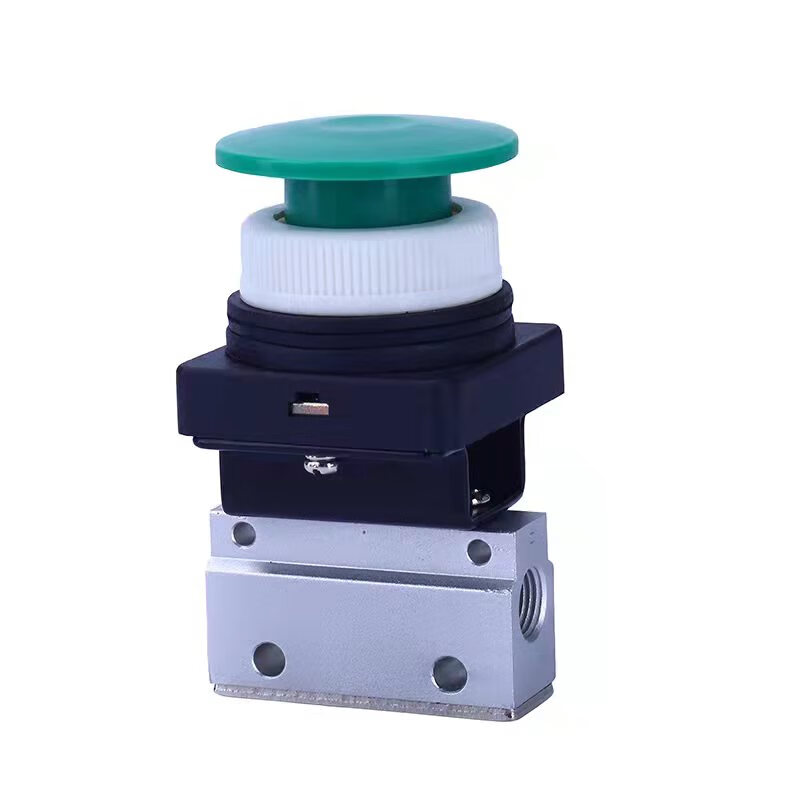
Two, Reasons for the inaccuracy of torque transmission through the handwheel of a mechanical valve
Material factors: The hardness, toughness, and processing accuracy of the valve body material may affect the accuracy of torque transmission. For example, if the hardness of the valve body material is too high or too low, it will cause changes in the friction between the valve stem and the valve body, thereby affecting the accuracy of torque transmission.
Design defects: Poor design may cause the gap between the valve stem and the valve body to be too large or too small, affecting the accuracy of torque transmission. In addition, the length, shape, and material of the valve stem will also affect the accuracy of torque transmission.
Processing technology: The connection method between the valve stem and the valve body, as well as the selection of sealing materials, may affect the accuracy of torque transmission. For example, an inappropriate connection method between the valve stem and the valve body may cause additional friction during the torque transmission process, thereby affecting the accuracy of torque transmission.
Usage environment: Environmental factors such as temperature and humidity may affect the friction between the valve stem and the valve body, thereby affecting the accuracy of torque transmission. For example, high or low temperatures can cause thermal expansion and contraction of the materials between the valve stem and the valve body, thereby affecting the accuracy of torque transmission.
Operational factors: Improper operation, such as frequent opening and closing, excessive force, and other operations, may also lead to inaccurate torque transmission. In addition, the technical level of the operator will also affect the accuracy of torque transmission.
Three, Strategies for ensuring the accuracy of torque transmission through the handwheel of a mechanical valve
Material selection: Select valve body materials with moderate hardness and good toughness to ensure stable friction between the valve stem and the valve body. At the same time, select appropriate sealing materials to ensure sealing performance.
Design optimization: Optimize the connection method between the valve stem and the valve body to ensure that the gap between them is moderate, reducing friction. At the same time, reasonably design the length, shape, and material of the valve stem to improve the accuracy of torque transmission.
Optimization of processing technology: Adopt precise processing technology to ensure that the connection method between the valve stem and the valve body, as well as the selection of sealing materials, all meet the design requirements, thereby improving the accuracy of torque transmission.
Environmental control of use: During the design and use process, environmental factors affecting torque transmission should be fully considered. For example, select materials that can withstand high or low temperatures to adapt to different usage environments. At the same time, take appropriate protective measures to prevent environmental factors from affecting the friction between the valve stem and the valve body.
Operational specifications: Formulate operational specifications to ensure that operators can use mechanical valves correctly. For example, avoid frequent opening and closing, excessive force, and other operations to reduce the risk of inaccurate torque transmission. At the same time, regularly train operators to improve their technical level to enhance the accuracy of torque transmission.
Four, Conclusion
The accuracy of torque transmission through the handwheel of a mechanical valve is a systematic engineering project, which requires comprehensive consideration from multiple aspects such as material selection, design optimization, processing technology optimization, environmental control, and operational specifications. Only through these measures can the accuracy of torque transmission through the handwheel of a mechanical valve be ensured, thereby improving its performance and safety, and providing a stable and reliable guarantee for industrial production.