In modern hydraulic control system, servo valve, as a high-precision and fast-response control element, is widely used in aerospace, construction machinery, automatic production line and other fields. Among them, the two-way servo valve is often used in hydraulic systems that need accurate commutation and continuous adjustment because of its two-way control ability. This paper will discuss the working principle of bidirectional servo valve and its key mechanism in the process of realizing commutation.
First, the basic structure and working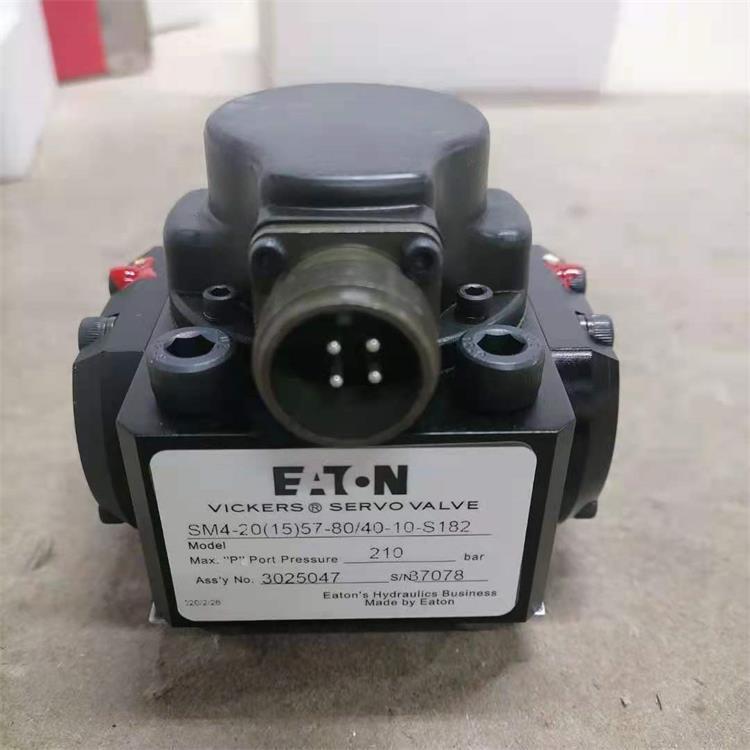 principle of two-way servo valve
Bidirectional servo valve usually consists of torque motor (or electromagnetic coil), nozzle baffle mechanism, slide valve and feedback mechanism. Its core function is to convert electrical signals into hydraulic output, so as to control the movement direction, speed and position of hydraulic cylinders or hydraulic motors. Different from the one-way servo valve, the two-way servo valve can make the hydraulic oil flow to the two chambers of the actuator by changing the polarity of the input signal, so as to realize the motion control in both positive and negative directions.
The reversing ability of servo valve mainly depends on the displacement change of its internal slide valve. When the controller sends out the reversing signal, the electromagnetic coil generates corresponding magnetic force, which drives the baffle to move, changes the pressure difference between the two sides of the nozzle, and then pushes the slide valve to move in a certain direction, opens the corresponding oil passage, so that high-pressure oil enters one side of the hydraulic cylinder, and at the same time, the other side returns oil to complete the reversing action.
Second, the key mechanism to realize commutation
1. Signal control and feedback closed loop
The two-way servo valve determines the displacement and direction of the slide valve by receiving analog or digital signals from the controller. This signal is usually fed back to the control system by position, speed or pressure sensors, forming a closed-loop control structure. When commutation is needed, the controller changes the magnitude and direction of the input signal to drive the electromagnetic mechanism inside the servo valve to respond, thus switching the direction of the oil circuit.
2. Slide valve median function and transition control
In the process of reversing, the slide valve needs to pass through the middle position (namely “zero position”) to avoid hydraulic impact. Servo valves are usually designed with “dead zone” characteristics, that is, they are insensitive to input signals near the neutral position to prevent unnecessary commutation caused by small signals. At the same time, the transition time in the commutation process is accurately adjusted by the controller to ensure the smooth operation of the system.
3. Dynamic response of flow and pressure
In the process of reversing, the two-way servo valve not only needs to switch direction, but also needs to adjust the flow and pressure quickly. Servo valve can switch from one direction to the other in millisecond time by using its high response characteristics, ensuring the motion continuity and control accuracy of the actuator.
4. Mechanical feedback and electro-hydraulic cooperative control
In order to improve the control accuracy, most two-way servo valves are equipped with mechanical feedback mechanisms (such as springs or force feedback devices), which work together with the electronic control system to adjust the position of the slide valve in real time to ensure the stability and repeatability of reversing.
Third, application scenarios and advantages
Two-way servo valves are widely used in places that need high-precision commutation, such as the feed system of CNC machine tools, robot joint control,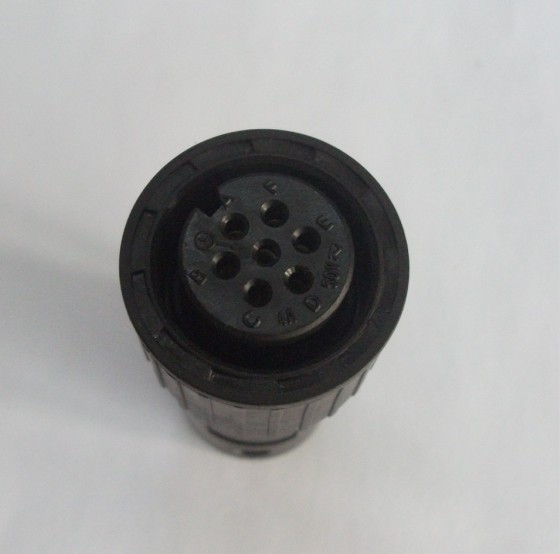 aircraft rudder control system and so on. Compared with the traditional directional valve, the advantages of two-way servo valve are as follows:
-High commutation precision: micron-level position control can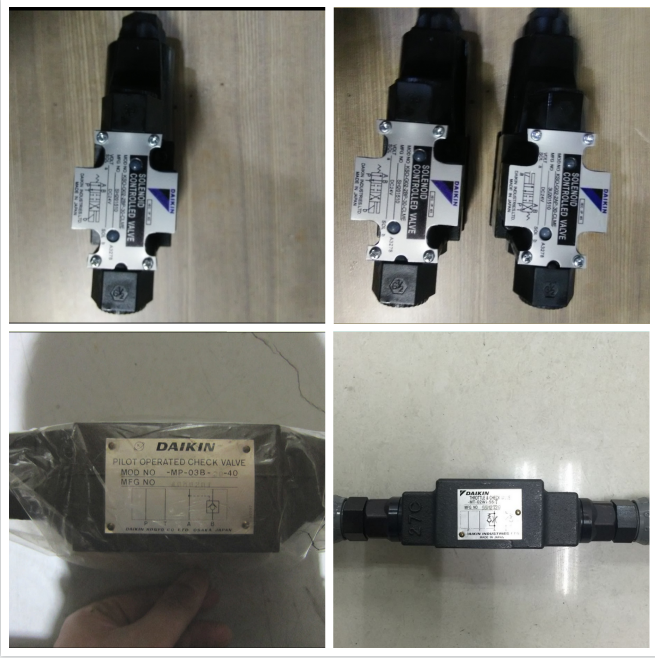 be realized;
-Fast response: short commutation time and good dynamic performance;
-Strong control continuity: support stepless speed regulation and multi-directional switching;
-Good system stability: closed-loop feedback control is adopted, which has strong anti-interference ability.
IV. Conclusion
To sum up, the two-way servo valve realizes the efficient and accurate reversing function through the precise electro-hydraulic conversion mechanism and closed-loop control strategy. It not only improves the control performance of hydraulic system, but also provides reliable technical support for modern industrial automation and high-precision mechanical control. With the continuous development of servo technology, two-way servo valve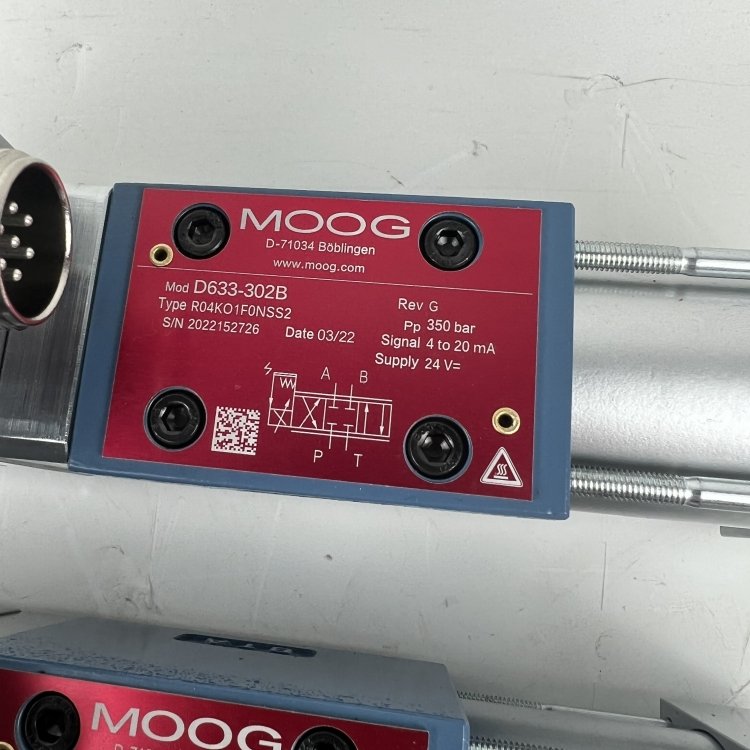 will play its irreplaceable role in more fields.