Optimization and Adjustment of Boriding Process Parameters for Sealing Surface of Mechanical Valves
In the industrial field, as a key fluid control equipment, the performance of the sealing surface of the mechanical valve directly affects the stability and reliability of the entire system. In the process of sealing surface treatment of the mechanical valve, boriding process is widely used due to its excellent wear resistance, corrosion resistance, fatigue resistance, and other characteristics. However, the optimization and adjustment of boriding process parameters is crucial for ensuring the performance of the sealing surface of the mechanical valve. This article will discuss the importance of optimizing and adjusting the boriding process parameters of the sealing surface of the mechanical valve and introduce several optimization and adjustment methods.
One, Importance of Optimization and Adjustment of Boriding Process Parameters
The optimization and adjustment of boriding process parameters can significantly improve the wear resistance, corrosion resistance, fatigue resistance, and other properties of the mechanical valve sealing surfaces, extending their service life. At the same time, it can also reduce maintenance costs, reduce downtime, and improve production efficiency. Therefore, optimizing the boriding process parameters is of great significance for improving the performance of the mechanical valve sealing surfaces and, consequently, enhancing the reliability of the entire system.
Two, Types of Boriding Process Parameters
The boriding process parameters mainly include boriding temperature, boriding time, boriding atmosphere, and boriding liquid composition. Different combinations of parameters will produce different boriding effects, thereby affecting the performance of the sealing surface.
Boriding Temperature: Boriding temperature is a key factor in determining the boriding effect. Excessive temperature will increase the volatilization of the boriding liquid, reducing the boriding effect; low temperature will reduce the fluidity of the boriding liquid, affecting the uniformity of boriding. Therefore, selecting an appropriate boriding temperature is an important step in optimizing the boriding process parameters.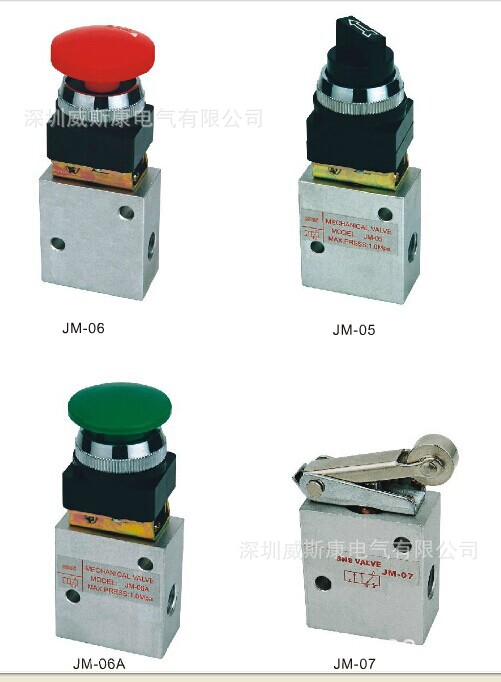
Boriding Time: Boriding time is a key factor in determining the depth of boriding. Excessive boriding time will lead to intensified volatilization of the boriding liquid, affecting the boriding effect; insufficient boriding time will not achieve the desired boriding depth. Therefore, optimizing the boriding time is an important means to improve the boriding effect.
Boriding Atmosphere: The boriding atmosphere mainly affects the volatilization speed and fluidity of the boriding liquid. Optimizing the boriding atmosphere can improve the fluidity of the boriding liquid, reduce the volatilization speed, and thereby improve the boriding effect.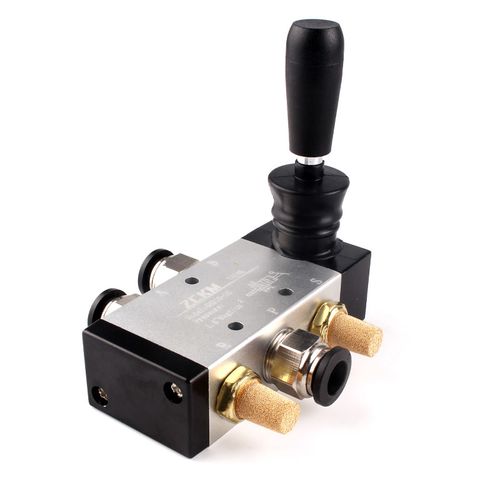
Boriding Liquid Composition: The composition of the boriding liquid mainly affects the viscosity, fluidity, and volatilization speed of the boriding liquid. Optimizing the composition of the boriding liquid can improve the fluidity of the boriding liquid, reduce the volatilization speed, and thereby improve the boriding effect.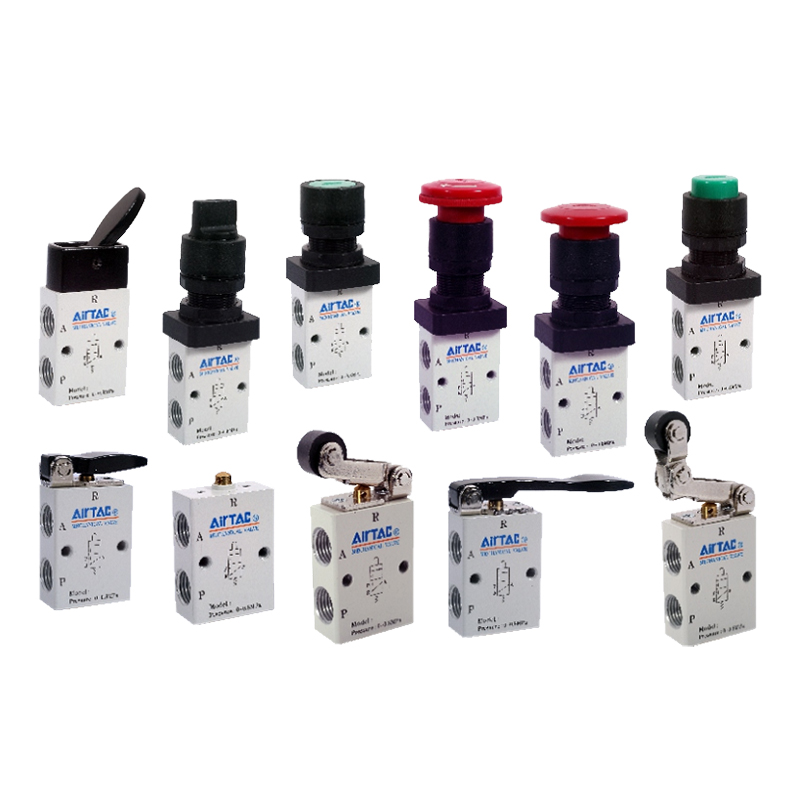
Three, Optimization Methods for Boriding Process Parameters
Experimental Method: Through the experimental method, the systematic study of the influence of boriding process parameters on the boriding effect can be conducted, thereby determining the optimal boriding process parameters.
Statistical Methods: Through statistical methods, the experimental data can be statistically analyzed to determine the optimal boriding process parameters.
Optimization Algorithm: Through optimization algorithms, the boriding process parameters can be optimized and adjusted, thereby improving the boriding effect.
In summary, the optimization and adjustment of the boriding process parameters of mechanical valve sealing surfaces is of great significance for improving the performance of the sealing surfaces and, consequently, enhancing the reliability of the entire system. During the process of optimizing and adjusting the boriding process parameters, three important methods are the experimental method, statistical methods, and optimization algorithms. Through these methods, the optimal boriding process parameters can be determined, thereby improving the boriding effect and extending the service life of the mechanical valve.