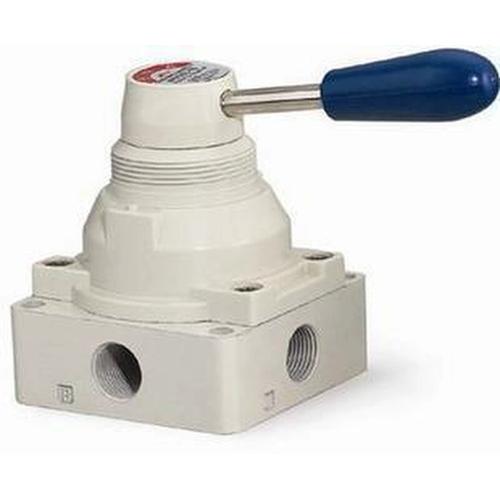
Specific manifestations of environmental protection design in mechanical valves
In modern society, environmental protection issues are attracting more and more attention, especially in industrial production. How to reduce environmental pollution and improve the efficiency of resource utilization has become an important issue that we must face. Among various industrial equipment, valves, as important control elements, have significant significance for environmental protection. This article will discuss the specific manifestations of environmental protection design in mechanical valves from the perspective of valve design.
1. Material Selection
The selection of materials is an important aspect of the environmental design of mechanical valves. In the selection of materials for mechanical valves, environmentally friendly materials should be given priority, such as stainless steel, titanium alloy, and aluminum alloy. These materials not only have good corrosion resistance but can also be recycled after disposal, reducing the impact on the environment. At the same time, biodegradable materials such as polylactic acid (PLA) can be used, which can be decomposed by the natural environment after use, reducing environmental pollution.
2. Structural Design
In terms of structural design, mechanical valves should minimize energy consumption. For example, by optimizing the valve channel design, the resistance of fluids passing through the valve can be reduced, thereby reducing energy consumption. In addition, intelligent control technology can be used to automatically adjust the opening and closing degree of valves according to actual needs, avoiding unnecessary energy waste. At the same time, the structural design of mechanical valves should also consider their sealing performance to ensure that no leakage occurs during use, reducing environmental pollution.
3. Performance Optimization
The performance optimization of mechanical valves is an important aspect of environmental design. For example, by optimizing the opening and closing speed of valves, the impact on fluids can be reduced, thereby reducing noise pollution. In addition, low-noise designs such as using shock-absorbing materials and structures can reduce the noise generated during valve operation. At the same time, an efficient lubrication system can be used to reduce the amount of lubricant used, reducing the impact on the environment.
4. Maintenance and Maintenance
The maintenance and maintenance of mechanical valves is an important aspect of environmental design. For example, by conducting regular inspections and maintenance, faults of valves can be discovered and repaired in a timely manner, avoiding energy waste and environmental pollution caused by faults. In addition, intelligent maintenance and maintenance systems such as remote monitoring and automatic alarm functions can be used to detect and handle valve faults in a timely manner, avoiding energy waste and environmental pollution caused by faults. At the same time, recyclable materials such as recyclable lubricants and seals can be used to reduce the impact on the environment.
5. Recycling and Utilization
The recycling and utilization of mechanical valves is an important aspect of environmental design. For example, by designing a reasonable recycling system, discarded valves can be classified and recycled, avoiding pollution to the environment caused by discarded valves. In addition, recyclable materials such as recyclable metals and plastics can be used to reduce the impact of discarded valves on the environment. At the same time, biodegradable materials such as biodegradable rubber and plastic materials can also be used to reduce the impact of discarded valves on the environment.
In summary, the environmental design of mechanical valves is a comprehensive process that requires consideration from multiple aspects such as material selection, structural design, performance optimization, maintenance, and recycling. Only in this way can the value of mechanical valves in environmental protection be truly realized, contributing to the protection of the environment.