As a key control component in hydraulic system, servo valve is widely used in high-precision control systems such as industrial automation, aerospace and robotics. It has fast dynamic response and high control precision, but its structure is complex and the actual debugging cost is high. Therefore, using MATLAB to model and simulate the servo valve has become an important means for engineers to study its performance and optimize control strategy.
MATLAB, as a powerful mathematical modeling and simulation tool, is widely used in control system simulation. Its Simulink modular simulation platform can easily build the dynamic model of servo valve system, and combine with the design of control system for closed-loop simulation analysis.
1. Mathematical modeling of servo valve
Before the simulation, the mathematical model of the servo valve needs to be established first. A typical servo valve can be regarded as an electro-hydraulic proportional element, whose input is control current and its output is hydraulic flow or pressure. According to its working principle, its transfer function model can be established, such as:
$$ G(s) = frac{K}{ au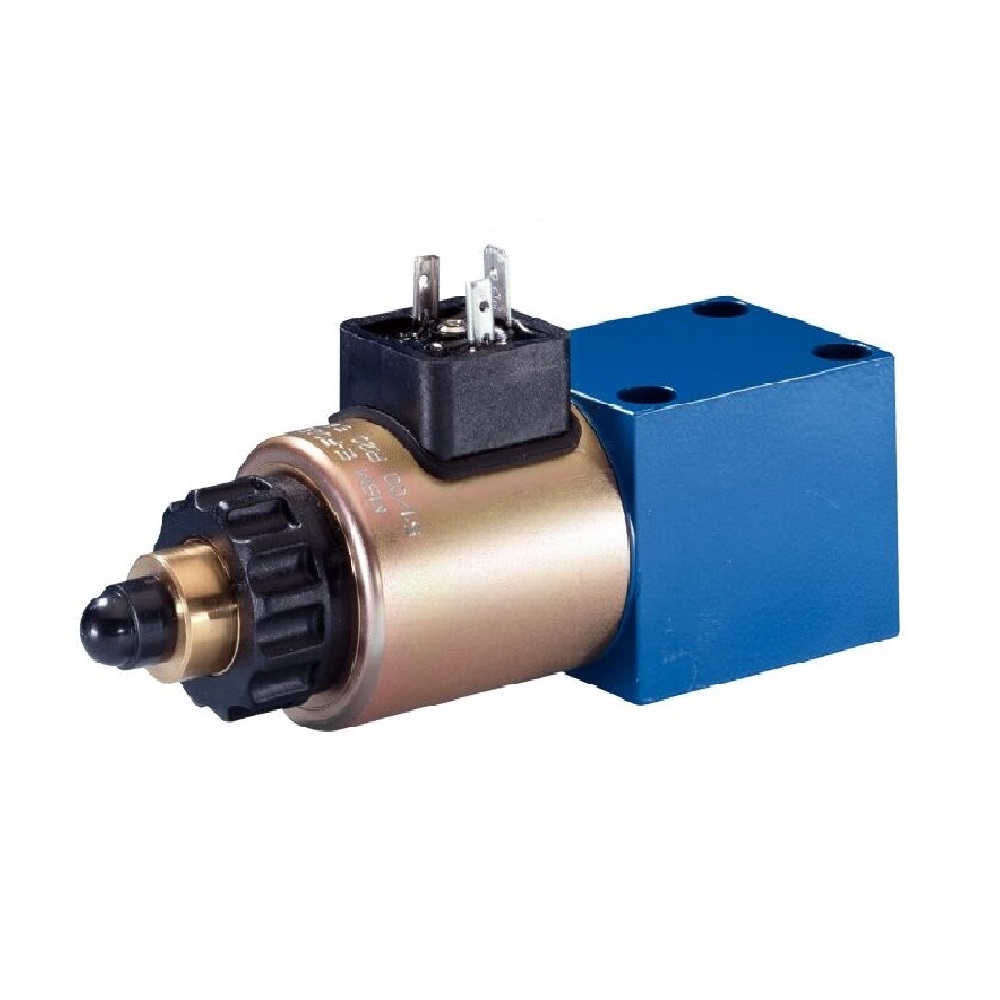 s + 1} $$
Where $ K $ is the gain of the servo valve and $ au $ is the time constant. For more complex servo systems, it may be necessary to consider its nonlinear characteristics, such as dead zone, hysteresis, saturation and so on. At this point, we can use the nonlinear modules in Simulink (such as Dead Zone, Backlash, Saturation) to model.
2. Simulation modeling steps of servo valve based on Simulink
1. Preparation for system modeling: Make clear the working parameters of the servo valve (such as rated current, maximum flow, response time, etc.), and consult the product manual or experimental data to obtain key parameters.
2. Establish the Simulink model: create a new model file in Simulink, use the Transfer Fcn module to represent the linear part of the servo valve, and combine the nonlinear module to simulate the actual working characteristics.
3. Connect the control system: connect the servo valve model into the whole hydraulic or mechanical control system, such as connecting with the hydraulic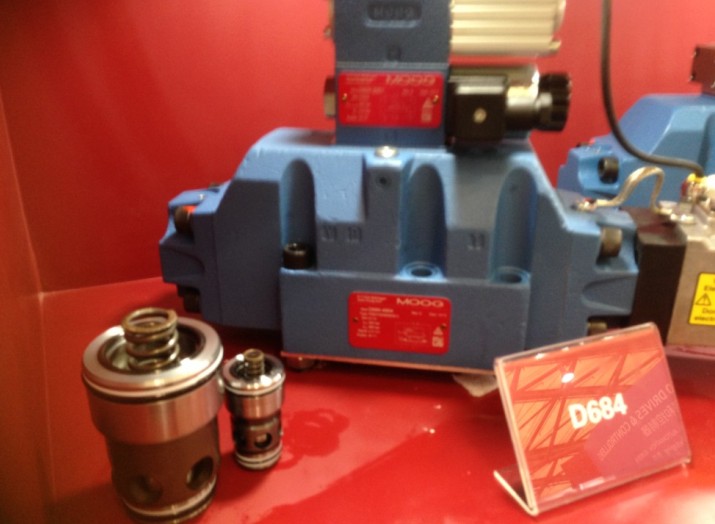 cylinder, load, feedback sensor and other modules to form a closed-loop control system.
4. Set simulation parameters: select a suitable solver (such as ode45), set simulation time and step size to ensure the accuracy of simulation results.
5. Simulation and analysis: Run the simulation, observe the dynamic response curve of the servo valve output flow or pressure, and analyze the performance indicators such as overshoot, adjustment time and steady-state error.
6. Optimization and verification: The system response is optimized by PID controller design or fuzzy control, and the effectiveness of the control strategy is verified by simulation results.
Third, case analysis: simulation of servo valve position control system
Take the position control system of a typical servo valve driven hydraulic cylinder as an example:
-The input is a position command;
-PID control is adopted in the controller;
-Output is displacement of hydraulic cylinder;
-The servo valve is used as the actuator to drive the hydraulic cylinder to move.
After the system model is built in Simulink, the step response test is carried out. The results show that the system can respond quickly and stabilize near the target position, which verifies the accuracy of the servo valve model and the effectiveness of the control strategy.
IV. Conclusion
With the development of computer simulation technology, MATLAB/Simulink has become an important tool for modeling and simulation of servo valve system. It can not only help engineers deeply understand the working characteristics of servo valves, but also effectively reduce the cost of system design and debugging and improve the efficiency of research and development. In the future, with the popularization of digital twin technology, the high-precision simulation of servo valve will provide more powerful support for the development of intelligent control system.