In modern construction machinery, hydraulic system, as the core part of its power transmission and control, plays a vital role. As a key control element in hydraulic system, servo valve directly affects the working accuracy, response speed and system stability of machinery. Therefore, how to correctly match the performance requirements of servo valve and construction machinery is the key to improve the efficiency and reliability of equipment.
First, the basic principle and function of servo valve
Servo valve is a high-precision and fast-response flow or pressure control element, which is usually used in closed-loop control system. It can accurately control the movement direction, speed and position of hydraulic actuators (such as hydraulic cylinders and hydraulic motors) according to the changes of input signals, and has the characteristics of high sensitivity, low hysteresis and high repeatability. Servo valves are widely used in construction machinery that need high precision control, such as excavators, loaders, cranes and so on.
Second, the key factors of servo valve selection
1. System working pressure and flow demand
The rated working pressure and flow of the servo valve must meet the maximum load requirements of the hydraulic system. If the selection is too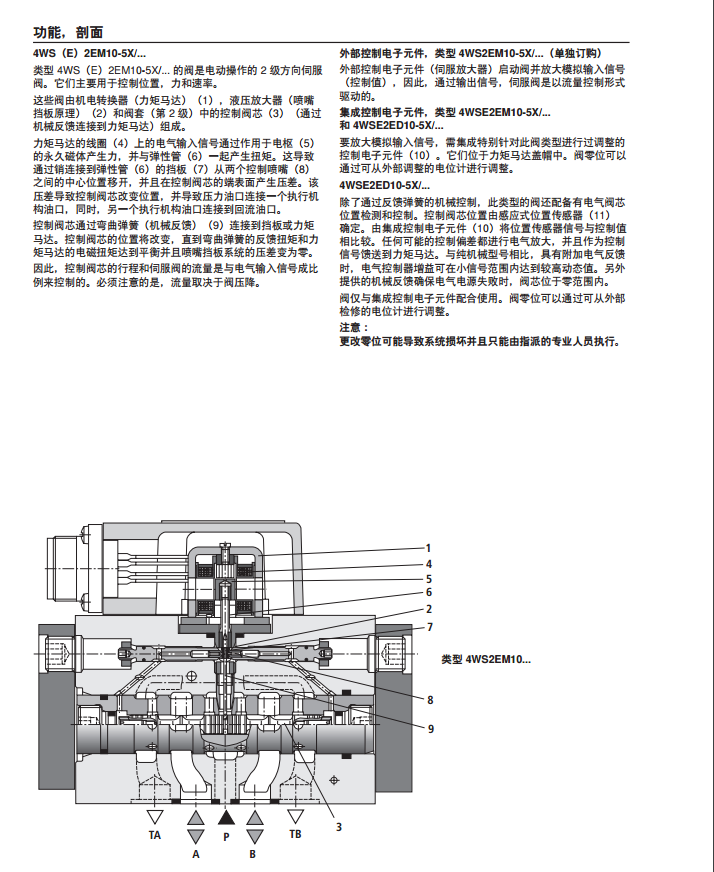 small, it will lead to slow system response and reduced efficiency; If it is too large, it will cause energy waste and cost increase.
2. Dynamic response characteristics
Construction machinery often needs to quickly change actions during operation, which puts forward higher requirements for the response speed of servo valves. Servo valves with corresponding bandwidth and response time should be selected according to the operating frequency and action requirements of the equipment.
3. Control mode and signal input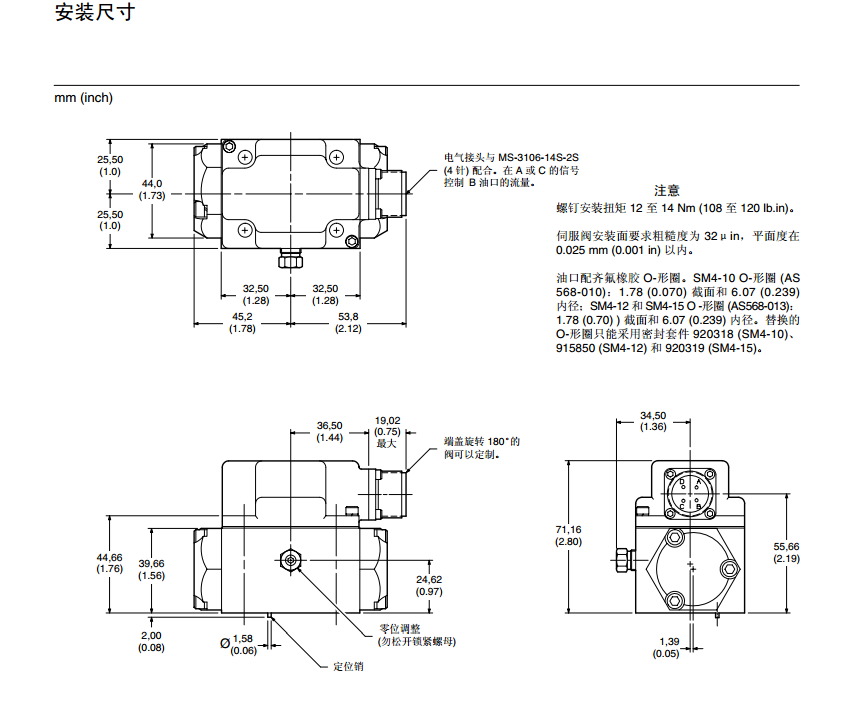 type
type
Servo valves usually have two forms: analog control and digital control. Modern construction machinery mostly adopts PLC or controller for digital control, so whether the servo valve is compatible with the existing control system should be considered when selecting the type.
4. Environmental adaptability and reliability
Construction machinery often works in harsh environment, such as high temperature, high humidity and dust. Servo valve must have good sealing, corrosion resistance and vibration resistance to ensure long-term stable operation.
Third, the matching and coordination of servo valve and other hydraulic components
As the core of the control system, the servo valve needs to work together with hydraulic pump, hydraulic cylinder, sensor, controller and other components:
-Matching with hydraulic pump: the servo valve should match the oil supply capacity of the pump to ensure that the system can still supply oil stably under high dynamic load.
-Matching with the actuator: According to the parameters of the hydraulic cylinder or motor (such as cylinder diameter, stroke, load force, etc.), the control parameters of the servo valve are reasonably set to achieve accurate control.
-Cooperation with sensors and controllers: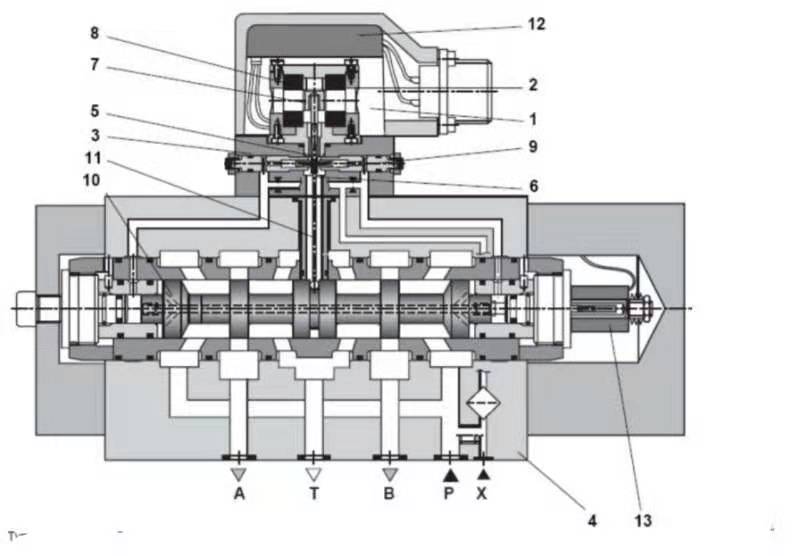 closed-loop control is realized through feedback signals (such as displacement, speed and pressure) to ensure high accuracy and stability of the system.
Fourth, the practical application case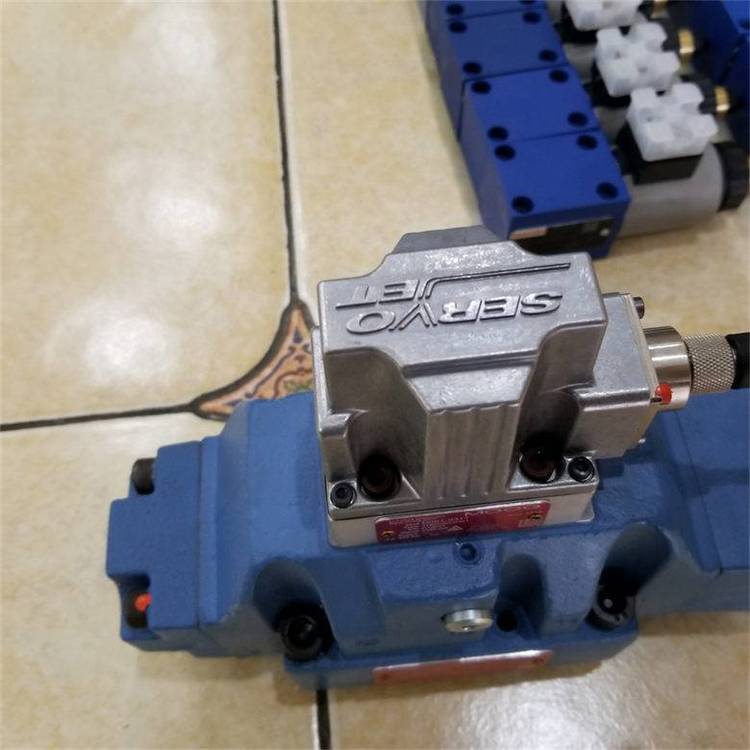 analysis
Taking a certain excavator as an example, the electro-hydraulic servo valve is used for position control in its boom control system. The system feeds back the information in real time through the pressure sensor and displacement sensor, and the controller adjusts the opening of the servo valve according to the difference between the set value and the feedback value, thus realizing the accurate positioning of the boom. Through reasonable selection and system optimization, the positioning accuracy of the excavator is improved by 20%, the energy consumption is reduced by 15%, and the overall working efficiency is significantly improved.
V. Conclusion
To sum up, the selection and matching of servo valve is very important in the design of hydraulic system of construction machinery. Only by comprehensively considering the system performance, working conditions, control requirements and coordination between components can we give full play to the advantages of servo valves and improve the operating efficiency and stability of equipment. In the future, with the development of intelligent control and digital technology, servo valves will play a more critical role in construction machinery, pushing the equipment to move forward in the direction of high precision and intelligence.