In modern industrial automation system, servo proportional valve, as a key hydraulic control element, is widely used in situations that need high-precision positioning and dynamic response. It combines the high response characteristics of traditional servo valve with the anti-pollution ability of proportional valve, and can realize accurate control of actuators (such as hydraulic cylinders or hydraulic motors) under complex working conditions, especially in accurate positioning.
First, the basic principle of servo proportional valve
Servo proportional valve is an electro-hydraulic control valve in essence, whose core is to adjust the position of the valve core by inputting electrical signals, so as to control the flow and pressure in the hydraulic system proportionally. Compared with the traditional proportional valve, the servo proportional valve has higher linearity and repeatability. Usually, a high-precision displacement sensor is built in to feed back the position information of the spool to realize closed-loop control, thus improving the stability and response speed of the system.
Second, the realization mechanism of accurate positioning
The key to accurate positioning of servo proportional valve lies in the following aspects:
1. Closed-loop feedback control
Servo proportional valve is usually used with position sensor (such as grating ruler, magnetic ruler or encoder) to form a closed-loop control system. According to the deviation signal between the target position and the actual position, the controller adjusts the current signal input to the servo proportional valve in real time, thus accurately controlling the movement of the hydraulic actuator.
2. High resolution control signal input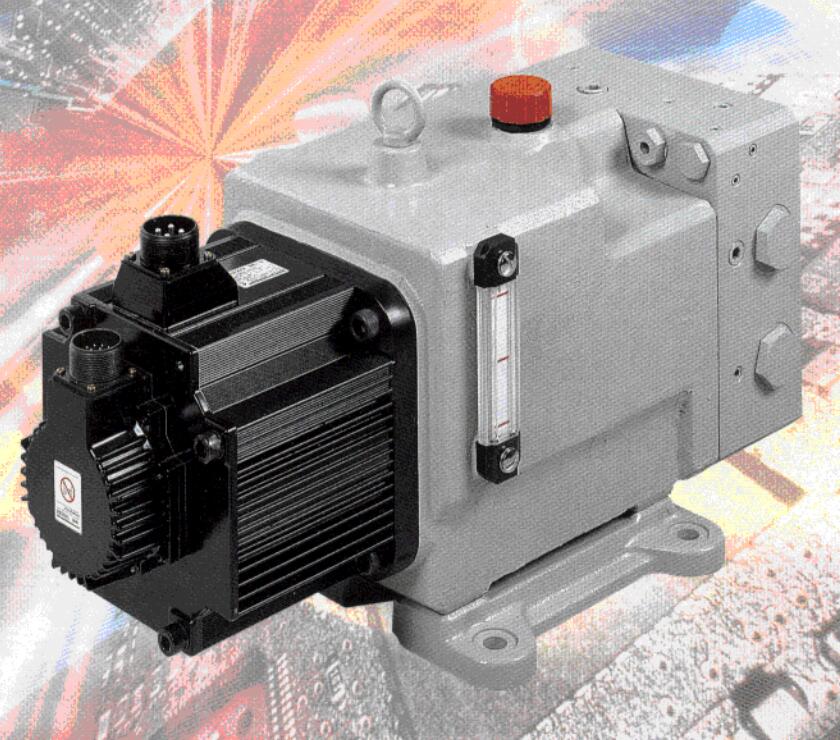
The control circuit of modern servo proportional valve has high signal resolution, which can respond to small changes in electrical signals, thus driving the spool to make fine adjustment and realizing millimeter or even micron positioning of the actuator.
3. Fast dynamic response ability
Servo proportional valve has fast response time (usually in millisecond level), which can adjust the pressure and flow of hydraulic system in a very short time, ensure the actuator to reach the set position quickly and smoothly, and avoid positioning error caused by response lag.
4. Anti-interference and adaptive adjustment
In the actual industrial environment, factors such as load change and temperature fluctuation will affect the stability of the system. Servo proportional valve with advanced control algorithm (such as PID control, adaptive control, etc.) can compensate external disturbance in real time and ensure the positioning accuracy without interference.
Third, the typical application areas
The precise positioning function of servo proportional valve has been widely used in many industries:
-CNC machine tools: used to control the movement of cutting tools or worktable and realize precision machining;
-Injection molding machine: used to control the opening and closing position of the mold to ensure the molding accuracy;
-Robotics: as a precise control element for hydraulically driven joints;
-Test and simulation system: such as the dynamic test platform of automobile suspension system.
Fourth, the future development trend
With the development of Industry 4.0, servo proportional valve is evolving towards intelligence and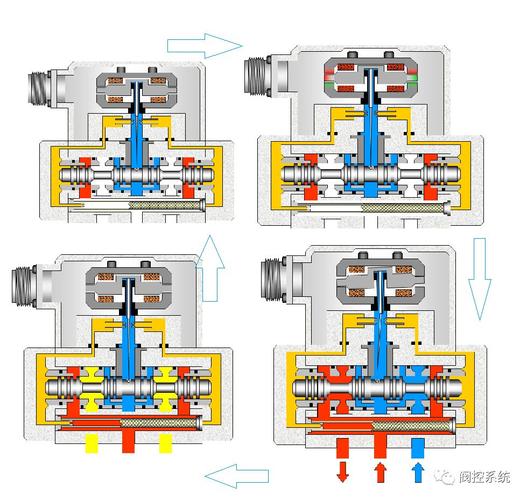 digitalization. The intelligent servo proportional valve integrated with digital interfaces (such as CANopen and EtherCAT) can communicate directly with the upper control system, and has the functions of self-diagnosis and remote debugging, which further improves the accuracy and efficiency of positioning control.
tag
To sum up, servo proportional valve has become the core component to realize accurate positioning of hydraulic system through closed-loop control, high resolution input, fast response and good anti-interference performance. With the increasing demand for intelligent manufacturing and high-precision automation, the application prospect of servo proportional valve will be broader, and it will also continuously push industrial control technology towards higher precision and reliability.