《Specific Processes for Enhancing the Sealing Performance of Mechanical Valve Safety Valves》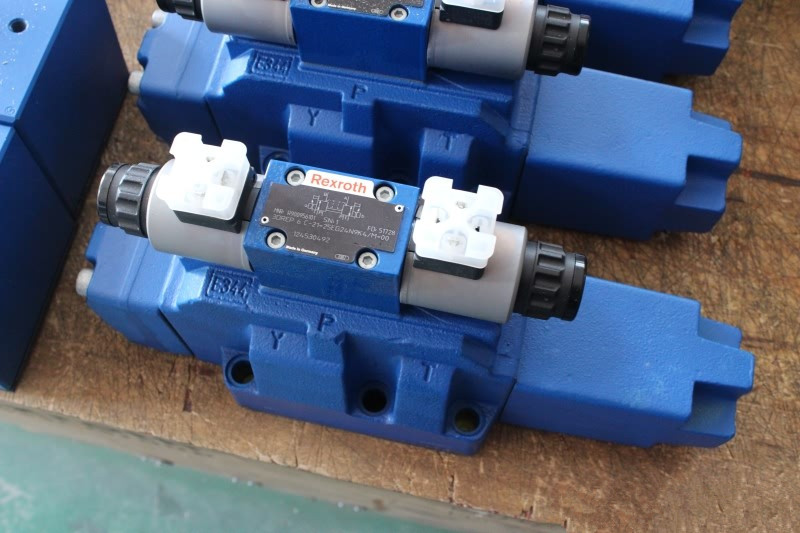
As an important safety protection device in industrial systems, the sealing performance of safety valves directly affects the safe operation of the equipment. As a common type of safety valve, the sealing performance of mechanical valve safety valves directly affects the safety and reliability of the system. Therefore, the enhancement of the sealing performance of mechanical valve safety valves is a key factor in ensuring the safe operation of the equipment. This article will discuss the specific processes for enhancing the sealing performance of mechanical valve safety valves.
1. Selection of Sealing Surface Materials
The selection of sealing surface materials for mechanical valve safety valves is an important link in enhancing the sealing performance. Usually, the valve seat and valve disc are made of materials that can withstand high temperatures, corrosion, and wear, such as stainless steel, nickel-based alloys, and titanium alloys. These materials have good corrosion resistance, high-temperature resistance, and wear resistance, which can effectively prevent corrosion, wear, and deformation of the sealing surface, thereby improving the sealing performance.
2. Surface Treatment Processes
To further improve the sealing performance, surface treatments such as plating, sandblasting, and shot peening can be applied to the valve seat and valve disc. These surface treatment processes can improve the hardness and wear resistance of the sealing surface, thereby reducing wear and corrosion of the sealing surface and improving the sealing performance.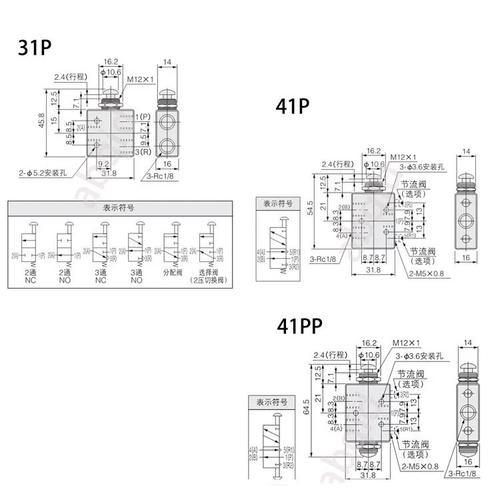
3. Grinding and Polishing of Sealing Surface
Grinding and polishing of the sealing surface is an important step to improve the sealing performance. Through precise grinding and polishing, defects and unevenness on the sealing surface can be removed, making the sealing surface smoother and thus improving the sealing performance. At the same time, precise grinding and polishing can also ensure the dimensional accuracy of the sealing surface, preventing poor sealing caused by dimensional deviation.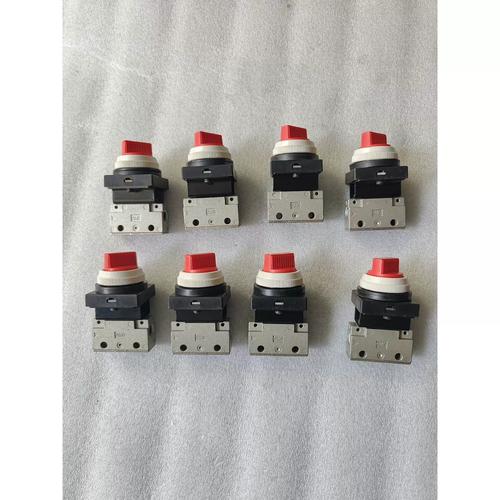
4. Selection and Installation of Sealing Rings
The sealing ring is a key component of the mechanical valve safety valve sealing, and its selection and installation directly affect the sealing performance. Usually, sealing rings are made of materials that can withstand high temperatures, corrosion, and wear, such as nitrile rubber, fluoroelastomers, etc. At the same time, the installation of the sealing ring also needs to be precise to ensure good contact with the sealing surface, thereby improving the sealing performance.
5. Sealing Tests
To ensure the sealing performance of mechanical valve safety valves, sealing tests must be conducted. Generally, sealing tests include static sealing tests and dynamic sealing tests. Static sealing tests are carried out at normal temperature and pressure, while dynamic sealing tests are conducted under actual operating conditions. Through sealing tests, the sealing performance can be verified, problems can be identified and solved in a timely manner, and the safe operation of mechanical valve safety valves can be ensured.
6. Regular Maintenance and Inspection
To maintain the sealing performance of mechanical valve safety valves, regular maintenance and inspections are required. Regular maintenance and inspections can help to identify and solve problems in a timely manner, preventing equipment failures and safety accidents caused by poor sealing. The content of maintenance and inspections includes cleaning, grinding and polishing of the sealing surface, replacement of the sealing rings, and checking and calibration of the safety valves.
The enhancement of the sealing performance of mechanical valve safety valves needs to be carried out from multiple aspects, including the selection of sealing surface materials, surface treatment processes, grinding and polishing of the sealing surface, selection and installation of the sealing rings, sealing tests, as well as regular maintenance and inspections. Through the implementation of these specific processes, the sealing performance of mechanical valve safety valves can be effectively improved, thereby ensuring the safe operation of the equipment.