As the core component of hydraulic control system, servo valve is widely used in aerospace, industrial automation and precision machinery. The stability and reliability of its performance directly affect the control accuracy and response speed of the system. In the working process of servo valve, the interaction between internal fluid and solid structure (that is, fluid-solid coupling effect) has an important influence on its dynamic characteristics. Therefore, it is of great significance to study the fluid-solid coupling problem in servo valve for improving its performance, optimizing design and predicting faults.
First, the basic concept of fluid-solid coupling
Fluid-Structure Interaction, FSI) refers to the deformation or vibration of solid structure under the action of fluid, which in turn affects the distribution of flow field, thus forming an interactive dynamic system. The valve core, valve sleeve, spring and other components in the servo valve will be damaged by displacement, vibration or fatigue under the action of high-pressure liquid flow, which are typical fluid-solid coupling problems.
Second, the main performance of fluid-solid coupling in servo valve
In the working process of servo valve, high-speed liquid flow will produce large pressure gradient and shear force when passing through the valve port, which will lead to slight deviation or vibration of the valve core. In addition, the transient changes of fluid (such as pressure shock and sudden change of flow rate) will also cause the dynamic response of the structure, thus affecting the response characteristics and control accuracy of the servo valve. Especially under the condition of high frequency operation, the fluid-solid coupling effect is more obvious, which may lead to system instability or even failure.
Third, the analysis method of fluid-solid coupling
1. Numerical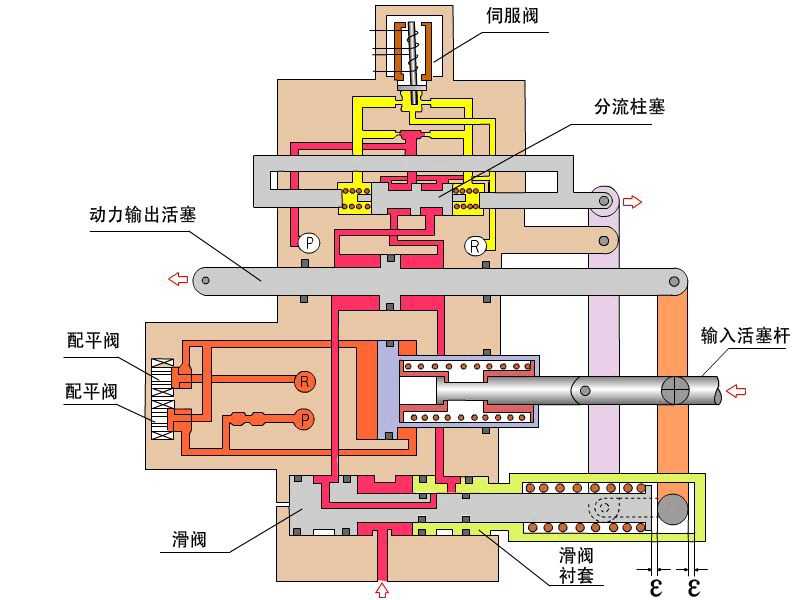 simulation method
At present, the FSI numerical simulation method based on the combination of finite element method (FEA) and computational fluid dynamics (CFD) is the mainstream means to study the fluid-solid coupling problem of servo valves. By coupling the fluid domain and the solid domain, this method can accurately capture the load effect of fluid on the structure and the feedback influence of structural deformation on the flow field. For example, the three-dimensional coupling model of servo valve can be established by using software platforms such as ANSYS, COMSOL and ADINA, and the transient analysis can be carried out to study its dynamic characteristics.
2. Experimental verification
Although numerical simulation can provide detailed field variable distribution, it must be verified by experimental data. Common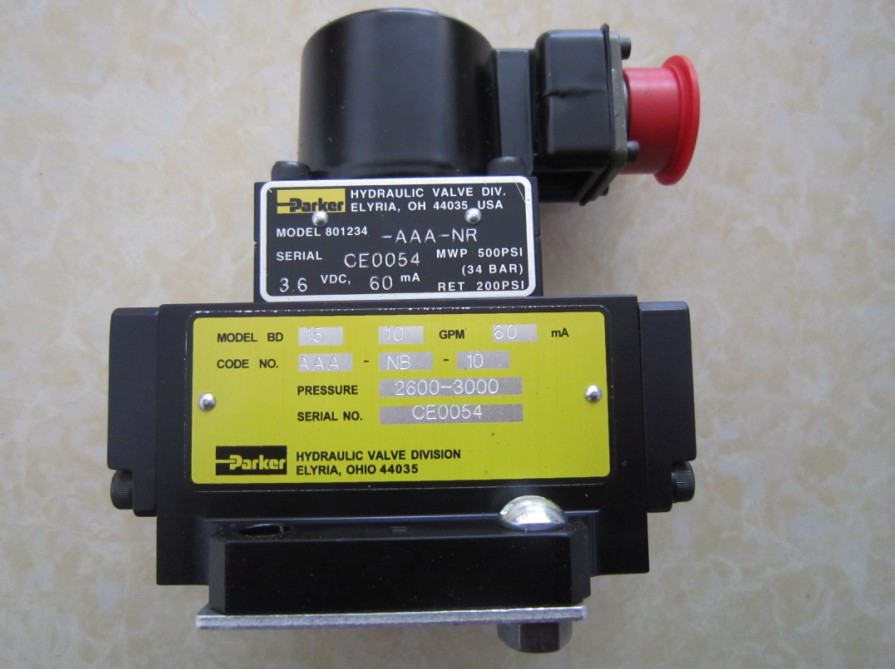 experimental methods include laser Doppler velocimetry (LDV), particle image velocimetry (PIV) and strain gauge measurement, which are used to obtain information such
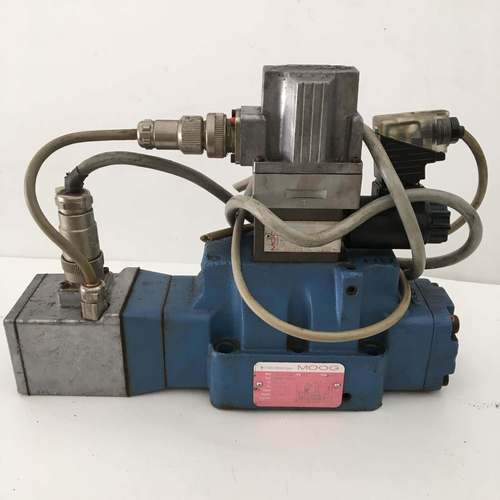 as flow field velocity, structural deformation and stress distribution, so as to evaluate the accuracy of the numerical model.
3. Theoretical modeling and simplified analysis
For some specific structures, the basic characteristics of fluid-solid coupling can also be analyzed by establishing simplified mechanical models (such as lumped parameter models). Although the accuracy of this method is not as good as that of numerical simulation, it has high calculation efficiency and is suitable for preliminary design and rapid evaluation.
Fourth, optimization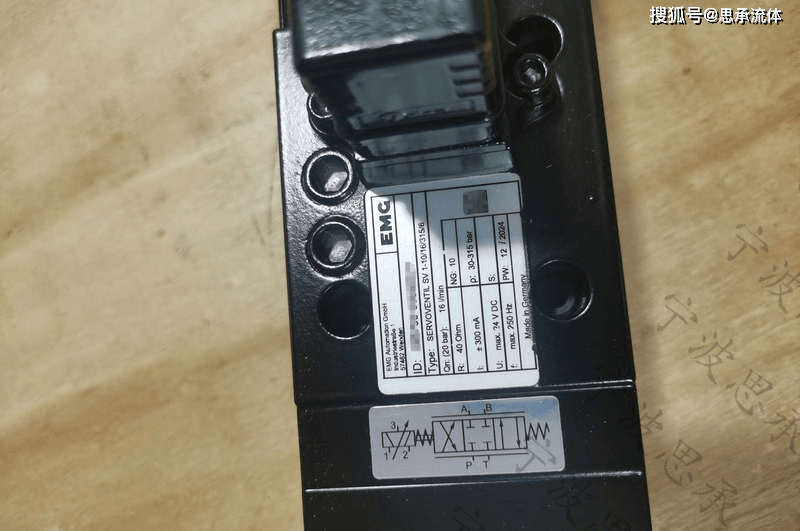 design and engineering application
Through the in-depth analysis of the fluid-solid coupling behavior of the servo valve, it can guide the structural optimization design, such as improving the shape of the valve core, adjusting the valve port structure and optimizing the material selection, so as to reduce the flow-induced vibration and noise and improve the dynamic response speed and control stability of the valve. In addition, the fluid-solid coupling theory can also be used for life prediction and fault diagnosis of servo valves, which provides theoretical support for the reliability design of the system.
V. Conclusion
The fluid-solid coupling problem in servo valve is a complex multi-physical field coupling process, which involves many disciplines such as fluid mechanics, structural mechanics and control theory. With the continuous development of computer technology and numerical simulation methods, the research on this problem will be more detailed and in-depth. The future research direction should focus on multi-scale modeling, real-time simulation technology and intelligent design methods to further improve the performance and reliability of servo valves and meet the application requirements of high-precision control systems.