As an important pipeline control equipment, the gate valve is widely used in various industrial fields to control the opening and closing of fluids and the flow direction of fluids. The working principle of the gate valve plate lifting and lowering and its fluid control method are crucial for understanding the working mechanism of the gate valve and the correct use of the gate valve. Below, we will analyze in detail the working principle of the gate valve plate lifting and lowering and the method of fluid control.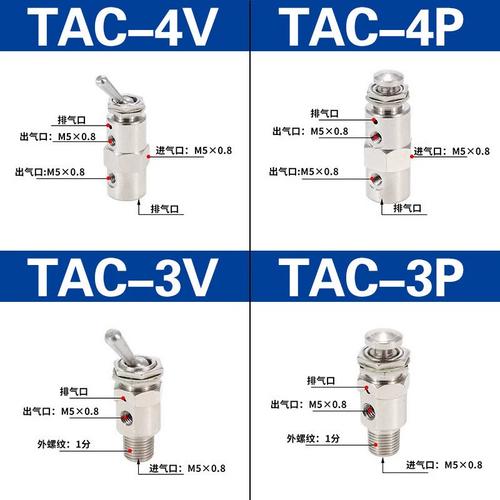
Lifting and lowering working principle of the gate valve plate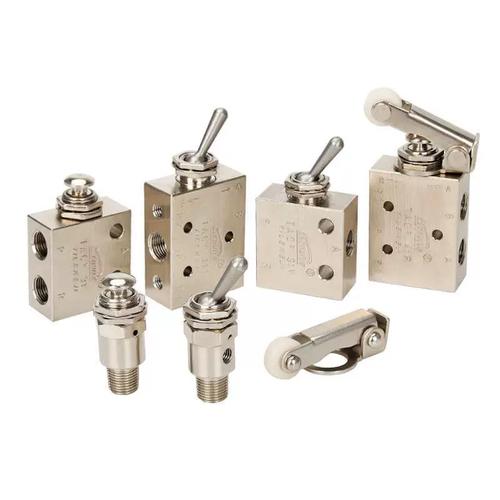
The lifting and lowering working principle of the gate valve plate is mainly based on the relative movement between the valve plate and the valve seat. The gate valve is usually composed of valve body, valve cover, valve rod, valve plate, seal ring and other components. When the valve rod drives the valve plate to move up and down, the relative position between the valve plate and the valve seat changes, thereby controlling the fluid inside the pipeline.
Valve plate open: When the valve rod moves upward, the valve plate also moves upward accordingly. The degree of opening of the valve plate is determined by the distance of the valve rod’s movement. The gap between the valve plate and the valve seat decreases, and the channel through which the fluid passes increases, achieving the flow of the fluid.
Valve plate closed: When the valve rod moves downward, the valve plate also moves downward accordingly. The gap between the valve plate and the valve seat increases, and the channel for fluid flow decreases, achieving the cutoff of the fluid.
Fluid control methods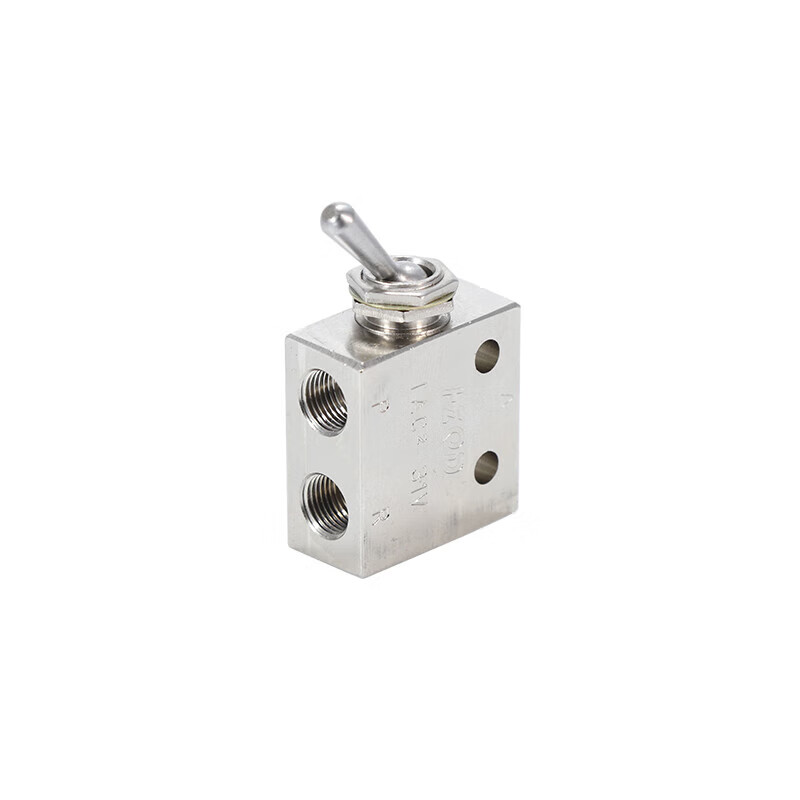
The fluid control methods of the gate valve mainly include manual control and electrical control.
Manual control: By directly operating the valve rod to control the lifting and lowering of the valve plate. This method is simple to operate and suitable for on-site operation and small valves. Attention should be paid to the weight and operating torque of the valve rod during operation to avoid damage caused by excessive force.
Electrical control: Through the electric actuator to control the lifting and lowering of the valve rod, realizing automatic control. This method is suitable for occasions that require remote control or automatic operation. The electric actuator includes motor, reducer, positioner and other components, which control the opening and closing of the valve plate by the forward and reverse rotation of the motor.
Combined with actual cases
For example, in a chemical plant, the gate valve used to control the feed pipe of raw materials is controlled remotely by an electric actuator. When it is necessary to stop the feeding of raw materials, the operator only needs to operate the control panel in the control room. The electric actuator drives the valve rod downward, the gate valve plate closes, and the fluid is cut off. When it is necessary to resume feeding, the operator only needs to re-operate the control panel. The electric actuator drives the valve rod upward, the gate valve plate opens, and the fluid resumes flow.
In summary, the working principle of the lifting and lowering of the gate valve plate and its fluid control method are crucial for the correct use of the gate valve. Whether manual control or electrical control is used, it is necessary to select the appropriate method according to the actual application scenario to ensure that the gate valve can effectively control the opening and closing of the fluid, and ensure production safety.