The material selection for mechanical valves in high temperature and high pressure environments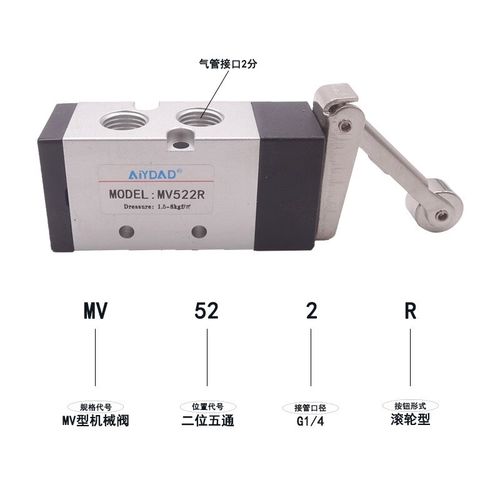
The working performance and lifespan of mechanical valves in high temperature and high pressure environments are affected by various factors, among which material selection is one of the key factors. Reasonable material selection can ensure that mechanical valves operate normally in harsh environments, avoiding performance degradation or damage due to improper material selection, thereby ensuring the stable operation of the system.
One, material selection in high temperature environments
In high temperature environments, the heat resistance, oxidation resistance, and creep resistance, and other properties of materials are challenged. Under high temperature conditions, the mechanical properties of materials will change, such as hardness, strength, and toughness. Therefore, choosing the appropriate material is crucial. The following are some common material choices for high temperature environments:
Heat-resistant alloys: This type of material has high heat resistance and oxidation resistance, such as nickel-based alloys, iron-based alloys, etc. They can maintain good mechanical properties under high temperatures, suitable for mechanical valves in high temperature environments.
Titanium alloys: Titanium alloys have good heat resistance and oxidation resistance, as well as high strength and toughness. Under high temperature conditions, titanium alloys can maintain good mechanical properties and are suitable for mechanical valves in high temperature environments.
Nickel-based alloys: Nickel-based alloys have good heat resistance and oxidation resistance, as well as high strength and toughness. Under high temperature conditions, nickel-based alloys can maintain good mechanical properties and are suitable for mechanical valves in high temperature environments.
Two, material selection in high pressure environments
In high pressure environments, the strength, pressure resistance, fatigue resistance, and other properties of materials are challenged. Under high pressure conditions, the mechanical properties of materials will change, such as hardness, strength, and toughness. Therefore, choosing the appropriate material is crucial. The following are some common material choices for high pressure environments:
High-strength alloy steel: This type of material has high strength and pressure resistance, suitable for mechanical valves in high pressure environments. High-strength alloy steel can maintain good mechanical properties under high pressure conditions, suitable for mechanical valves in high pressure environments.
Titanium alloys: Titanium alloys have good strength and pressure resistance, as well as high toughness. Under high pressure conditions, titanium alloys can maintain good mechanical properties and are suitable for mechanical valves in high pressure environments.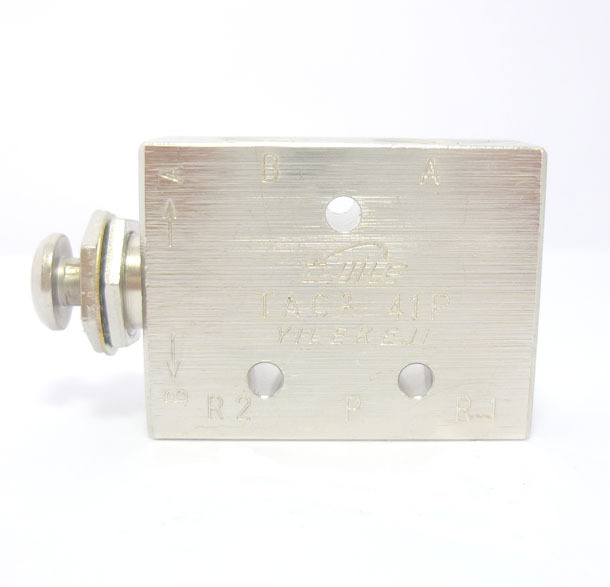
Nickel-based alloys: Nickel-based alloys have good strength and pressure resistance, as well as high toughness. Under high pressure conditions, nickel-based alloys can maintain good mechanical properties and are suitable for mechanical valves in high pressure environments.
Three, comprehensive consideration in high temperature and high pressure environments
In high temperature and high pressure environments, the selection of materials needs to be considered comprehensively in terms of their heat resistance, oxidation resistance, creep resistance, strength, toughness, pressure resistance, and fatigue resistance. In practical applications, appropriate materials should be selected based on specific usage conditions and requirements. For example, for mechanical valves operating in high temperature and high pressure environments, materials such as heat-resistant alloy steel, titanium alloy, or nickel-based alloys can be chosen. At the same time, processes such as heat treatment and surface treatment of materials should also be carried out to improve the performance and lifespan of the materials.
In summary, choosing the appropriate material is crucial for the normal operation of mechanical valves in high temperature and high pressure environments. Through reasonable material selection, the performance and lifespan of mechanical valves can be improved, ensuring the stable operation of the system.