As a key executive component in hydraulic system, hydraulic motor is widely used in construction machinery, agricultural machinery, marine equipment and industrial automation. It can convert hydraulic energy into mechanical energy and drive the equipment to rotate. In practical application, the control mode of hydraulic motor directly affects the operating efficiency, stability and energy consumption of the system. Therefore, it is of great significance to understand and master the control method of hydraulic motor.
First, the basic working principle of hydraulic motor
Through the input of high-pressure oil, the hydraulic motor drives the internal piston or blade to move, thus converting hydraulic energy into rotating mechanical energy output. Its speed and torque mainly depend on the flow and pressure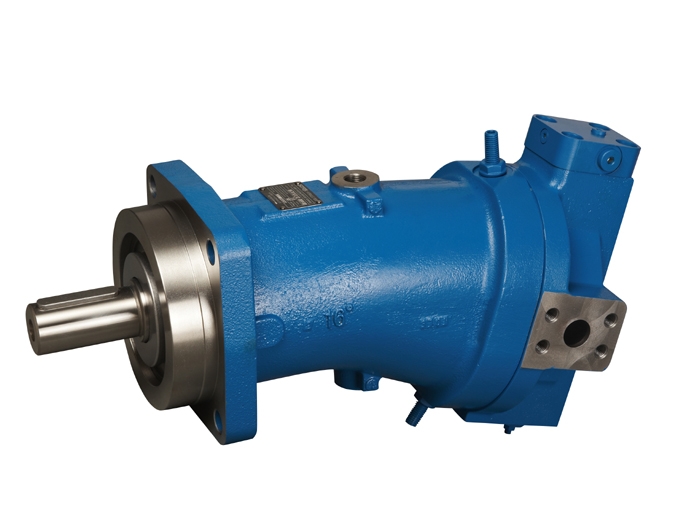 of the input oil. Therefore, the control of hydraulic motor is essentially the adjustment of input oil pressure and flow.
Second, the common hydraulic motor control mode
1. Throttle control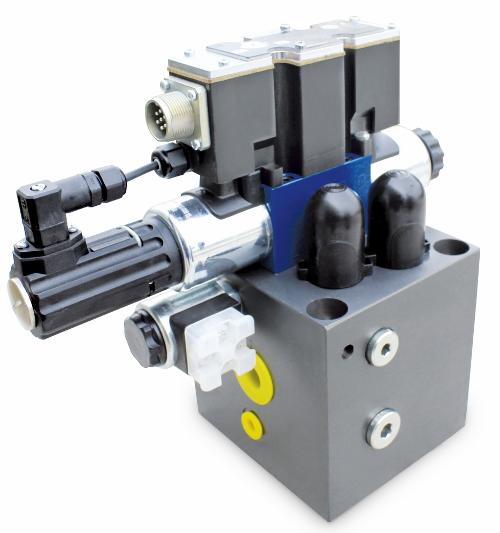
Throttle control is a way to control the speed of hydraulic motor by adjusting the flow into or out of it. This method is usually realized by throttle valve or speed regulating valve, which is simple in structure and low in cost, and is more common in occasions where speed accuracy is not high. However, throttle control is easy to cause energy loss and the response speed is slow.
2. Volume control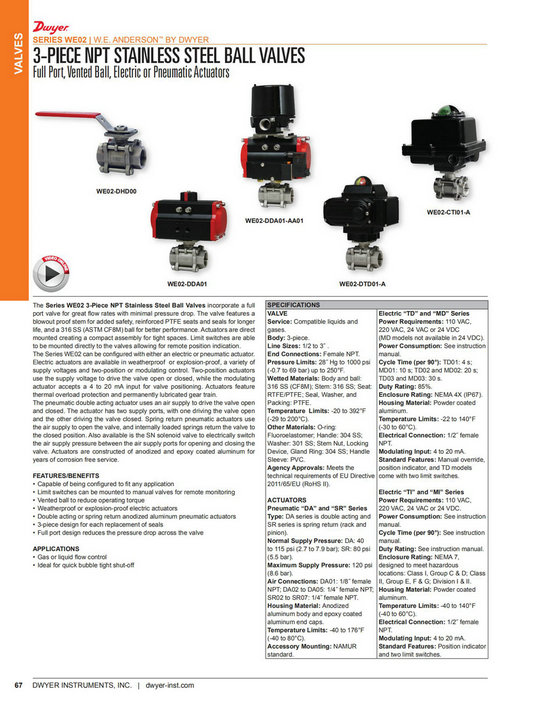
Volume control is to change the flow to the hydraulic motor by adjusting the displacement of the hydraulic pump, so as to control its speed. In this way, a variable pump is usually used in conjunction with a quantitative motor. With high volume control efficiency and low energy consumption, it is suitable for high-power and continuous operation systems, such as large construction machinery and ship propulsion systems.
3. Compound control
Compound control is a way to combine the advantages of throttle control and volume control. In some high-performance systems, variable pump is used to control the main flow, and a throttle valve is added to the motor circuit for fine adjustment, so as to realize high-precision speed control and good dynamic response.
4. Servo control and proportional control
For occasions requiring high-precision positioning or complex motion control, servo valves or proportional valves are often used for closed-loop control. This control method feeds back the actual rotation speed or rotation angle of the motor through the sensor, and the controller adjusts the valve opening according to the deviation to realize accurate control. Servo control system has fast response and high control precision, and is widely used in automatic production lines and robots.
Third, the development trend of intelligent control
With the improvement of industrial automation level, the control of hydraulic motor is gradually developing in the direction of intelligence. In modern control system, PLC (programmable logic controller), industrial computer and sensor technology are introduced more and more, and the functions of remote monitoring, fault diagnosis and adaptive adjustment of hydraulic motor are realized. In addition, predictive control and fuzzy control technology based on artificial intelligence are also applied in hydraulic system, which improves the stability and energy efficiency of the system.
IV. Conclusion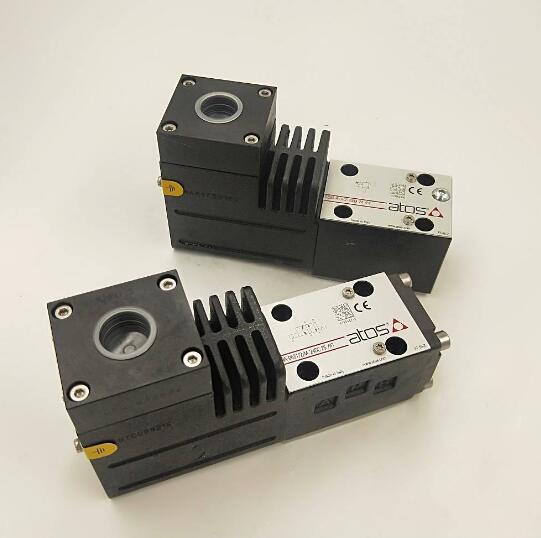
To sum up, the control of hydraulic motor is a technical problem involving the intersection of hydraulic, mechanical and electrical disciplines. Different control methods are suitable for different application scenarios, and designers should comprehensively choose according to system requirements, cost budget and operating environment. With the progress of science and technology, the control of hydraulic motor will be more intelligent and efficient, which will provide stronger support for the development of industrial automation.