As the core control component in hydraulic system, servo valve is widely used in aerospace, industrial automation, robotics and other fields. Its performance directly affects the response speed, control accuracy and stability of the system. In order to optimize the design and control strategy of servo valve, engineers usually rely on simulation tools for modeling and analysis. However, the complexity and high dynamic characteristics of servo valve system put forward higher requirements for real-time simulation. How to accelerate the real-time simulation process of servo valve has become a key issue to improve the research and development efficiency and product iteration speed.
First, adopt efficient modeling methods.
The first step of accelerating servo valve simulation is to build an efficient and accurate dynamic model. The traditional servo valve model is often based on complex differential equations and nonlinear factors, which has a large amount of calculation and is difficult to solve in real time. To this end, the following strategies can be adopted:
1. Model Order Reduction: By retaining the main dynamic characteristics of the system, we ignore the secondary factors and reduce the model dimensions, thus reducing the computational complexity.
2. Data-driven modeling: use experimental data or existing simulation data to train neural network or support vector machine model, and build a Surrogate Model with quick response to improve the simulation speed.
3. Modular modeling idea: the servo valve system is divided into several functional modules, such as electromagnetic drive module, mechanical transmission module, hydraulic control module, etc., which are integrated after modeling respectively to facilitate parallel processing and reuse.
Second, the introduction of high-performance simulation platform
Choosing the hardware platform and software environment suitable for real-time simulation is an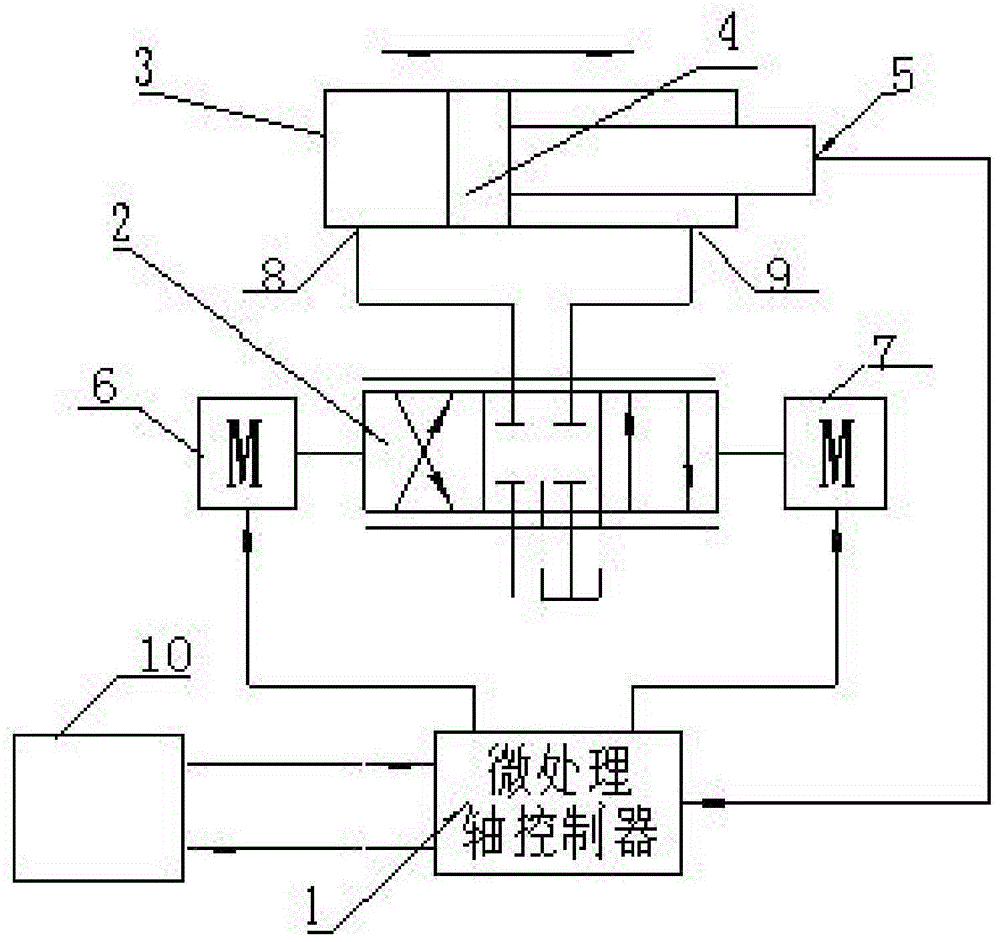 important means to improve the simulation efficiency.
1. Use real-time simulators (such as dSPACE, NI PXI, OPAL-RT): These devices have high-precision clock synchronization and low-delay input and output interfaces, and are suitable for real-time simulation of closed-loop control systems.
2. FPGA acceleration: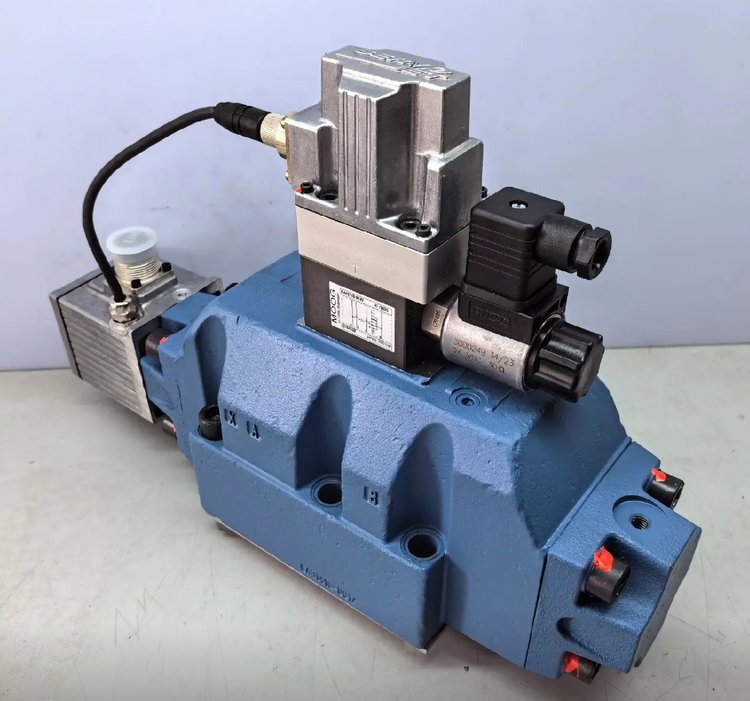 The key control logic and dynamic calculation of the servo valve are accelerated by hardware using the parallel processing ability of field programmable gate array (FPGA), which significantly improves the simulation speed.
3. GPU-accelerated simulation: For the simulation task of parallel operation of a large number of data, such as fluid dynamics simulation or multi-body dynamics problems, using GPU for parallel calculation can significantly shorten the simulation time.
Third, the optimization algorithm and solver
The selection of simulation algorithm directly affects the balance between simulation speed and accuracy.
1. Selection of explicit and implicit integration algorithms: On the premise of ensuring stability, choose the integration step size and algorithm type reasonably to avoid efficiency reduction due to too small step size.
2. Adaptive step size adjustment: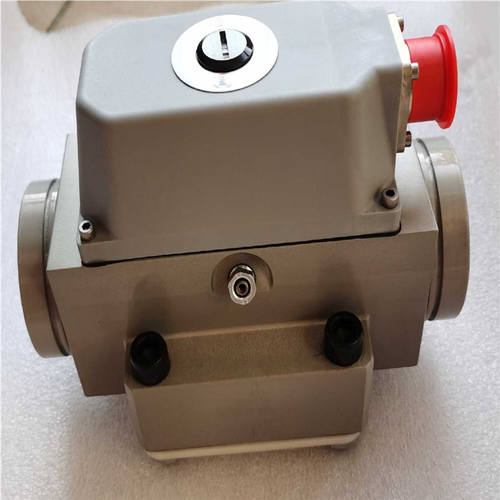 automatically adjust the integration step size according to the dynamic changes of the system, use a large step size when the system is stable, and switch a small step size when it is abrupt, giving consideration to efficiency and accuracy.
3. Multi-rate simulation technology: different subsystems adopt different simulation rates, with high-precision simulation for key parts and low-speed simulation for non-key parts, saving overall computing resources.
Fourth, combining virtual prototype with physical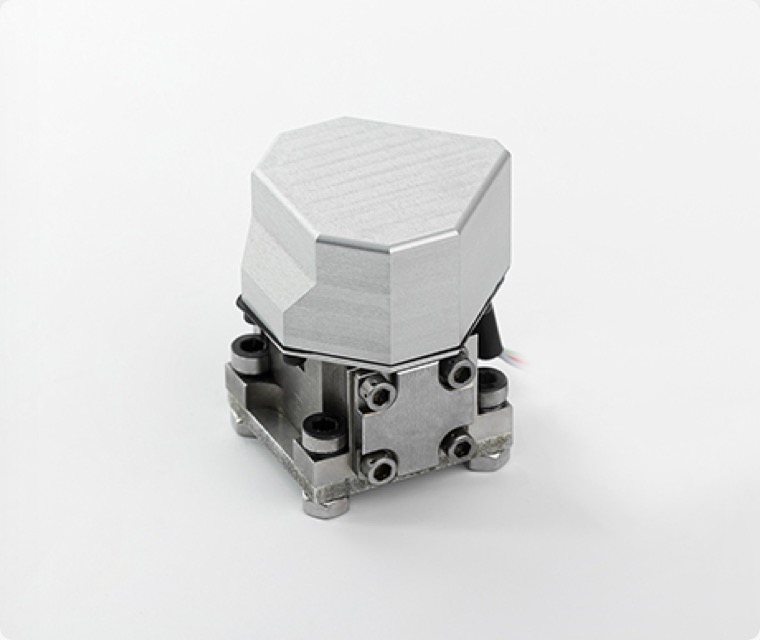 linkage
In the process of servo valve development, rapid verification and debugging can be realized by combining virtual simulation with physical test. For example, using HIL simulation technology, the real controller is connected to the virtual servo valve model to realize real-time interaction, which not only ensures the authenticity of the test, but also improves the simulation efficiency.
V. Conclusion
The real-time simulation acceleration of servo valve is a systematic project, which needs comprehensive optimization from modeling method, simulation platform, numerical algorithm, software and hardware cooperation and so on. With the development of simulation technology and the improvement of computing power, the servo valve simulation in the future will be more intelligent and real-time, which will provide strong support for the research and development of high-end equipment and control optimization. Through continuous exploration and practice, engineers will be able to realize the closed loop from design to verification faster, and promote the continuous progress of servo control technology.