Technical Transformation Plan for Improving the Reliability of Mechanical Valves
I. Introduction
In modern industrial production, the normal operation of machinery and equipment is a guarantee for the smooth progress of the production process. As an important part of machinery and equipment, the performance of mechanical valves directly affects the stability and safety of the entire production process. The reliability of mechanical valves has a decisive impact on production efficiency and product quality. Therefore, improving the reliability of mechanical valves is crucial for increasing production efficiency and ensuring product quality. This article will discuss an effective technical transformation plan for improving the reliability of mechanical valves.
II. Current Situation Analysis
Currently, the main challenges in improving the reliability of mechanical valves are as follows: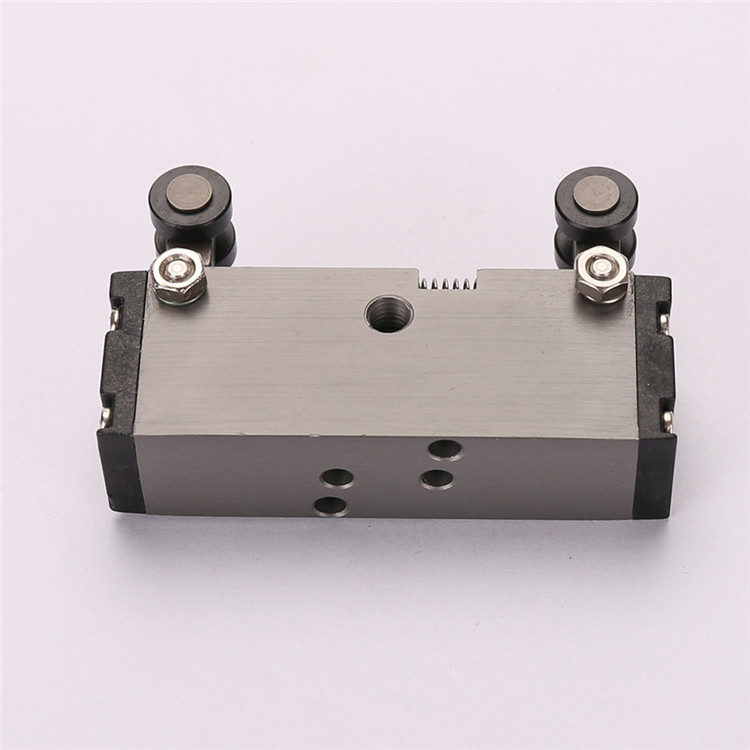
Design defects: Some mechanical valves have design defects that cause them to easily fail during actual use.
Material issues: Inappropriate selection of materials for key components such as the valve body and valve core affects the performance and service life of mechanical valves.
Operation and maintenance: Inadequate operation and maintenance of mechanical valves by operators leads to an increased failure rate of mechanical valves.
Environmental impact: Harsh working environments, such as high temperature, high pressure, and corrosive gases, affect the service life of mechanical valves.
III. Technical Transformation Plan
In response to the above issues, we propose the following technical transformation plan:
Optimized design: In the design phase, fully consider the working environment and working conditions of the mechanical valve, use advanced design methods, avoid design defects, and improve the reliability of the mechanical valve.
Selection of high-quality materials: Choose high-quality materials that are resistant to corrosion, high temperature, and high pressure to extend the service life of mechanical valves.
Standardized operation and maintenance: Establish operation and maintenance specifications, improve the professional skills of operators, and ensure that mechanical valves receive correct maintenance during use.
Improving environmental adaptability: For harsh working environments, use new materials that are resistant to corrosion, high temperature, and high pressure to improve the environmental adaptability of mechanical valves.
IV. Specific Measures
Optimized design: Use advanced design software for 3D modeling, conduct virtual simulation of mechanical valves, predict their performance under different usage conditions, and optimize the design.
Selection of high-quality materials: Select appropriate materials based on the working environment and usage conditions of the mechanical valve. For high-temperature, high-pressure, and corrosive environments, materials that are resistant to high temperature, high pressure, and corrosion should be selected.
Standardized operation and maintenance: Establish operation and maintenance specifications, and carry out regular maintenance to ensure that mechanical valves can operate normally during use.
Improving environmental adaptability: For mechanical valves operating in harsh working environments, new materials should be used to improve their environmental adaptability.
V. Conclusion
The reliability improvement of mechanical valves is the key to increasing production efficiency and product quality. Through measures such as optimized design, selection of high-quality materials, standardized operation and maintenance, and improved environmental adaptability, the reliability of mechanical valves can be effectively improved, thereby increasing production efficiency and product quality.