Heat treatment process and parameters of the mechanical valve stem
One, Introduction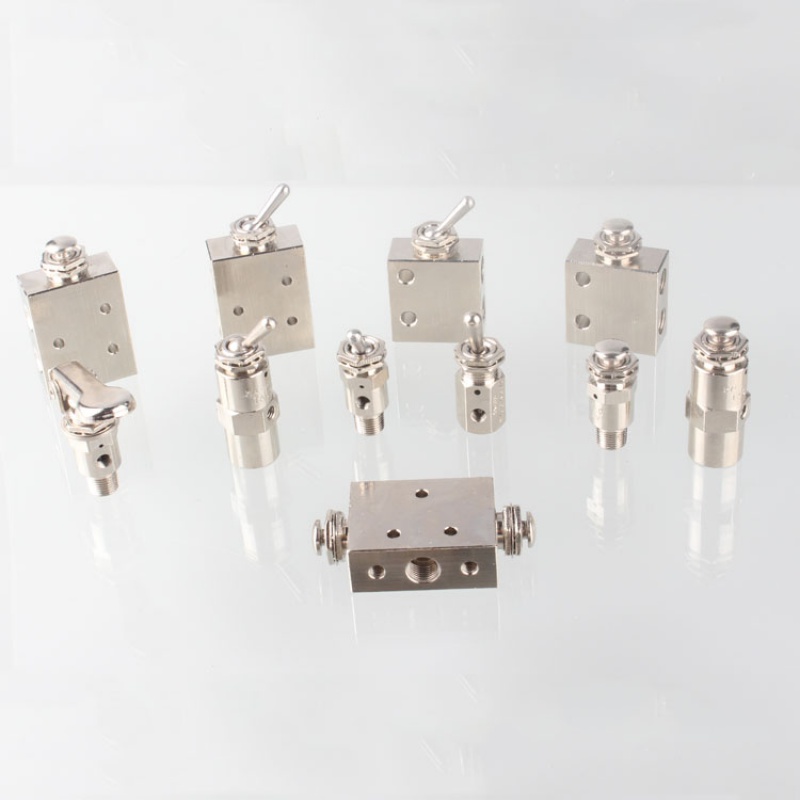
Mechanical valves are an indispensable and important part of industrial automation systems, and their performance directly relates to the operation efficiency and safety of the entire system. As an important part of the mechanical valve, the performance of the valve stem directly affects the sealing performance, regulating performance, and service life of the valve. Heat treatment process is an indispensable link in the manufacturing process of the valve stem, which can improve the hardness, strength, and wear resistance of the valve stem, thereby extending the service life of the valve stem and improving the overall performance of the mechanical valve. This article will discuss the heat treatment process and parameters of the mechanical valve stem from two aspects.
Two, Heat Treatment Process
Heat treatment process is a processing technology that changes the internal structure of the valve stem material through heating and cooling, thereby improving its mechanical properties. Common heat treatment processes include normalizing, annealing, quenching, and tempering, etc.
Normalizing: Heat the valve stem material to a temperature above the critical temperature, keep it for a certain period of time, and then cool it in the air. The normalizing process can refine the grain structure and improve the hardness and wear resistance of the material.
Annealing: Heat the valve stem material to a temperature above the critical temperature, keep it for a certain period of time, and then cool it slowly. The annealing process can eliminate the residual stress in the material and improve the plasticity and toughness of the material.
Quenching: Heat the valve stem material to a temperature above the critical temperature, keep it for a certain period of time, and then cool it rapidly. The quenching process can improve the hardness and wear resistance of the material, but will reduce the plasticity and toughness of the material.
Tempering: Heat the valve stem material to a temperature below the critical temperature, keep it for a certain period of time, and then cool it slowly. The tempering process can improve the plasticity and toughness of the material, but will reduce the hardness and wear resistance of the material.
Three, Heat Treatment Process Parameters
Heating temperature: Heating temperature is the most important parameter in the heat treatment process, which directly affects the performance of the material. Too high heating temperature will lead to oxidation and decarburization of the material, while too low temperature will affect the performance of the material. For valve stem materials, the heating temperature is generally around Ac1-3℃.
Heat preservation time: Heat preservation time refers to the time the valve stem material stays at the heating temperature. Too long heat preservation time will lead to oxidation and decarburization of the material, while too short time will affect the performance of the material. For valve stem materials, the heat preservation time is generally around 1-2 hours.
Cooling rate: Cooling rate refers to the speed at which the valve stem material cools down rapidly from the heating temperature to room temperature. Too fast cooling rate will lead to coarse grain structure of the material, while too slow cooling rate will affect the performance of the material. For valve stem materials, the cooling rate is generally carried out under water cooling or oil cooling.
Four, Conclusion
The heat treatment process and parameters of the mechanical valve stem are an important means to improve the performance of the valve stem. Reasonable heat treatment process and parameters can improve the hardness, strength, and wear resistance of the valve stem, thereby extending the service life of the valve stem and improving the overall performance of the mechanical valve. In actual production, it is necessary to select appropriate heat treatment process and parameters according to the performance of the valve stem material and the requirements of use, in order to achieve the best heat treatment effect.