Formulation of emergency plan for pressure fluctuations of mechanical valves
In the process of industrial production, the normal operation of mechanical equipment is crucial for maintaining production efficiency and product quality. However, due to various factors during the operation of mechanical equipment, pressure fluctuations may occur, leading to production interruption or a decline in product quality. Therefore, formulating a scientific and effective emergency plan is of great significance for ensuring production safety and efficiency.
1. Common causes of pressure fluctuations
Pressure fluctuations of mechanical equipment may be caused by various factors, including but not limited to:
Material issues: The unevenness of materials or defects in materials themselves may cause pressure fluctuations.
Operation errors: Operator errors, such as improper valve operation, may lead to pressure fluctuations.
Environmental factors: Changes in environmental temperature and humidity, as well as fluctuations in air pressure, may affect the pressure of mechanical equipment.
Equipment aging: After long-term use, the wear or aging of equipment may also lead to pressure fluctuations.
External interference: Unstable power supply, water pressure fluctuations, and other external factors may also cause pressure fluctuations.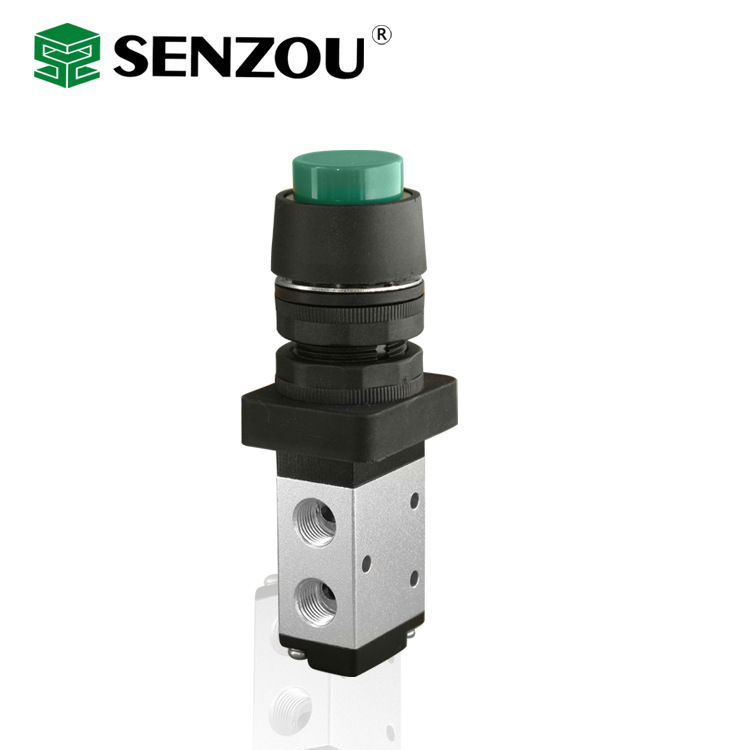
2. Formulation of emergency plans
For emergency plans for pressure fluctuations of mechanical equipment, planning and implementation need to be carried out from the following aspects:
Risk identification and assessment: Firstly, it is necessary to identify and assess the potential pressure fluctuations of mechanical equipment, clarify the potential risk points and the scope of impact.
Formulation of emergency plan: Based on the results of risk assessment, formulate corresponding emergency plans. The plan should include but is not limited to:
Risk early warning mechanism: Establish a pressure fluctuation early warning mechanism, monitor the pressure of equipment in real-time through sensors, and set early warning values. Once the pressure exceeds the early warning value, an early warning is triggered immediately.
Emergency plan process: Develop detailed operational procedures, including emergency stop operations, equipment inspection, and fault elimination, etc.
Emergency resource preparation: Ensure that emergency resources are sufficient, such as backup equipment and emergency tools, for rapid response.
Training and drills: Regularly organize operators to conduct emergency plan training and drills to ensure that they can respond quickly and effectively in emergencies.
Implementation and supervision: The implementation of an emergency plan requires a dedicated person to supervise and manage, ensuring the effective implementation of the plan. At the same time, regular evaluations and improvements of the implementation effect of the emergency plan should be carried out.
3. Conclusion
Although pressure fluctuations of mechanical equipment may have some impact on production, through scientific and reasonable emergency plans, the negative impact can be effectively reduced, ensuring production safety and efficiency. Therefore, enterprises should pay attention to the prevention and response measures of pressure fluctuations of mechanical equipment, establish a sound emergency plan system, and provide a solid guarantee for the sustainable development of the enterprise.
Through the introduction of the above content, it can be seen that the formulation of an emergency plan is a systematic and complex process that requires comprehensive consideration and implementation from multiple perspectives. It is hoped that the above content can help relevant personnel better deal with the pressure fluctuation issues of mechanical equipment.