First of all, the selection of corrosion-resistant materials should consider the nature of the working medium. Servo valves are often used in hydraulic oil, water, acid-base solutions or corrosive gases. For example, when using water-based hydraulic fluid or seawater environment, priority should be given to metal materials with excellent corrosion resistance such as stainless steel, titanium alloy or nickel-based alloy; In the system contacting with mineral oil or aviation fuel, carbon steel or alloy steel can be considered, supplemented by anti-corrosion coating.
Secondly, temperature and pressure conditions also have an important influence on the selection of materials. In high temperature environment, materials are prone to oxidative corrosion and thermal fatigue, so it is necessary to choose alloys with high temperature stability, such as Inconel 625, Hastelloy and other nickel-based alloys; Under high pressure, materials should not only have good corrosion resistance, but also have high strength and toughness to prevent stress corrosion cracking.
Thirdly, material processing technology and cost are also factors that cannot be ignored in the process of material selection. For example, although stainless steel has good corrosion resistance, its price is relatively high and it is difficult to process; Although engineering plastics and composite materials have low cost, they may not meet the requirements in high temperature and high pressure environment. Therefore, we should seek the best balance between performance and economy according to specific applications.
In addition, surface treatment technology is also an important means to improve the corrosion resistance of servo valves. Common surface treatment methods include electroplating chromium, electroless nickel plating, anodizing and thermal spraying, which can effectively enhance the wear resistance and corrosion resistance of the material surface and prolong the service life of the servo valve.
To sum up, the material selection of corrosion-resistant servo valve is a systematic project, which needs to comprehensively consider many factors such as working environment, medium type, temperature and pressure, manufacturing technology and economy. Only on the basis of fully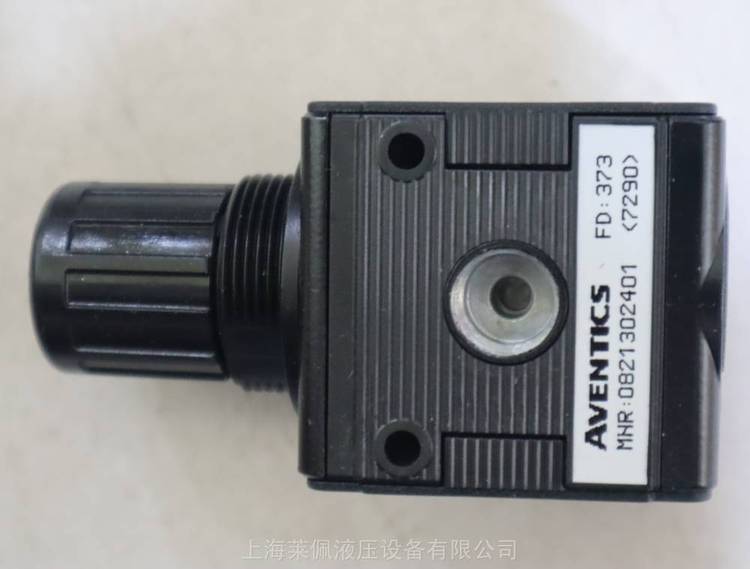 understanding the material properties and application requirements can the material be selected scientifically and reasonably, so as to improve the overall performance and reliability of the servo valve and meet the urgent demand of modern industry for high-precision and long-life control components.