Analysis of the influencing factors of the operational flexibility of the mechanical valve
The mechanical valve plays a crucial role in industrial production, and its role in fluid control and distribution is irreplaceable. However, the operational flexibility of the mechanical valve often becomes the key factor restricting its application effect. This article will analyze the influencing factors of the operational flexibility of the mechanical valve from the perspectives of structural design, material selection, processing accuracy, assembly technology, and operating environment.
1. Structural design of the mechanical valve
The structural design of the mechanical valve is the primary factor affecting its operational flexibility. The structural design of the valve must not only meet the functional requirements of fluid control and distribution but also take into account the convenience of operation. For example, the compactness of the valve body design, the length and diameter of the valve stem, the shape and size of the valve disc, and the shape and size of the sealing surface of the valve seat will all affect the operational flexibility. During the design, it is necessary to fully consider various factors such as the flow characteristics of the fluid, the operational habits of the operators, and the operating environment to ensure the operational flexibility of the mechanical valve.
2. Material Selection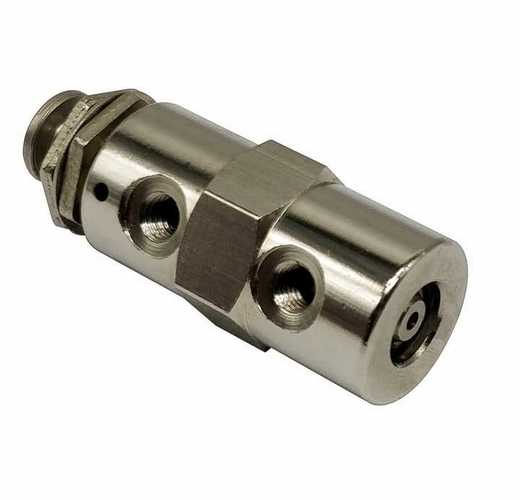
The selection of materials has an important impact on the operating flexibility of mechanical valves. Mechanical valves made of different materials have differences in properties such as corrosion resistance, wear resistance, heat resistance, and low-temperature resistance, which directly affect the service life and operating flexibility of mechanical valves. For example, mechanical valves made of metal materials may be affected by thermal expansion and thermal stress due to material expansion and stress in high temperature and high-pressure environments, affecting operating flexibility; mechanical valves made of plastic materials have good corrosion resistance, but may be affected by thermal expansion and thermal stress in high temperature and high-pressure environments, affecting operating flexibility. Therefore, it is necessary to select appropriate materials according to the specific application scenario to ensure the operating flexibility of mechanical valves.
3. Processing Accuracy
The processing accuracy of mechanical valves has a direct impact on operating flexibility. Processing accuracy includes dimensional accuracy, shape accuracy, and position accuracy, and deviations in these accuracies may cause problems such as jamming and leakage during use, thus affecting operating flexibility. For example, excessive deviations in the diameter and length of the valve stem may cause jamming during movement, affecting operating flexibility; excessive deviations in the sealing surface accuracy between the valve seat and the valve disc may lead to leakage of the sealing surface, affecting operating flexibility. Therefore, it is necessary to strictly control processing accuracy to ensure that mechanical valves have good operating flexibility during use.
4. Assembly Technology
The assembly technology of mechanical valves also has an important impact on operating flexibility. Assembly technology includes assembly sequence, assembly method, and assembly accuracy, which all affect the assembly quality of mechanical valves and, in turn, their operating flexibility. For example, an unreasonable assembly sequence may cause structural deformation of mechanical valves, affecting operating flexibility; improper assembly methods may cause deviations in assembly accuracy, affecting operating flexibility; deviations in assembly accuracy may lead to a decrease in the sealing performance of mechanical valves, affecting operating flexibility. Therefore, it is necessary to strictly control the assembly technology to ensure that mechanical valves have good operating flexibility during use.
5. Operating Environment
The operating environment of mechanical valves also has an important impact on operating flexibility. The operating environment includes factors such as temperature, pressure, medium properties, and vibration, which all affect the performance and operating flexibility of mechanical valves. For example, high temperature and high-pressure environments may cause thermal expansion and thermal stress in the material of mechanical valves, affecting operating flexibility; changes in medium properties may lead to a decrease in the sealing performance of mechanical valves, affecting operating flexibility; vibration may cause structural deformation of mechanical valves, affecting operating flexibility. Therefore, it is necessary to select appropriate mechanical valves according to the specific operating environment and take corresponding protective measures to ensure that mechanical valves have good operating flexibility during use.
In summary, the operating flexibility of mechanical valves is influenced by various factors, including structural design, material selection, processing accuracy, assembly technology, and operating environment. In order to improve the operating flexibility of mechanical valves, it is necessary to comprehensively consider these factors, starting from multiple aspects such as design, manufacturing, assembly, and use, to ensure that mechanical valves have good operating flexibility during use.