The energy-saving optimization measures and practical effects of mechanical valves
In modern industrial production, as a key fluid control device, the application of energy-saving optimization measures for mechanical valves is of great significance for improving energy efficiency, reducing energy consumption, and reducing environmental pollution. This article will delve into the energy-saving optimization measures and their practical effects of mechanical valves.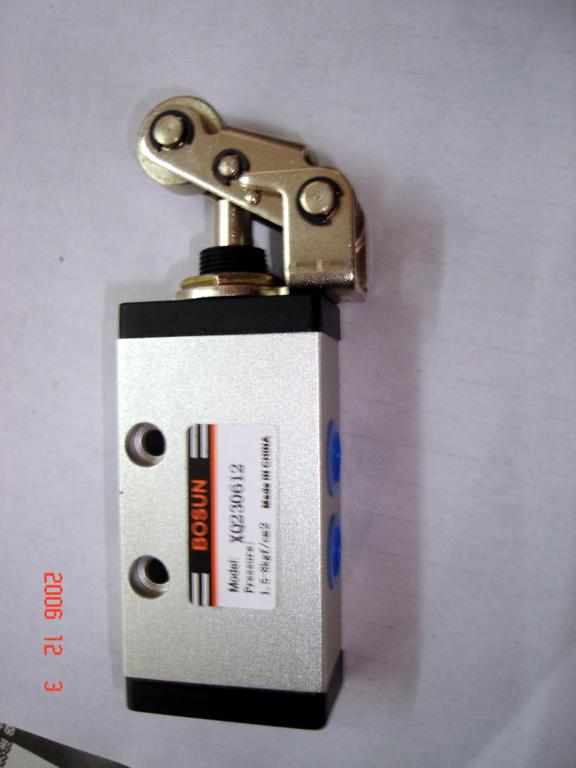
Firstly, energy-saving optimization measures for mechanical valves
Optimizing valve core design: By improving the structural design of the valve core, fluid flow resistance can be effectively reduced, reducing energy consumption. For example, using materials with smaller friction coefficients, optimizing the design of the flow channel, reducing flow losses, and improving system efficiency.
Adopting intelligent control technology: By using modern intelligent control systems such as PLC, DCS, precise control of valve opening can be achieved, adjusting valve opening according to actual needs to avoid unnecessary energy waste. At the same time, through sensors to monitor fluid flow and pressure in real time, valve status can be adjusted in a timely manner to ensure that the system operates in the best state.
Choosing high-efficiency energy-saving valve types: According to the application scenario, choose the appropriate valve type, such as using electric valves, pneumatic valves, etc., which have higher energy efficiency and longer service life compared to traditional manual valves.
Optimizing system design: Starting from the overall system, optimize the design, such as adopting multi-level control strategies to reduce system pressure loss; reasonably layout pipelines to reduce pipeline resistance, etc.
Regular maintenance and maintenance: Regular maintenance and maintenance of valves ensure that they are in good working condition, reducing energy waste caused by failures.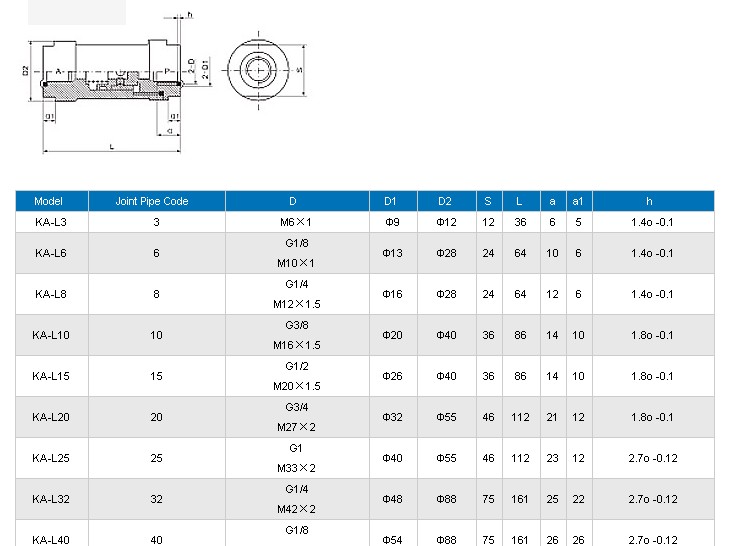
Secondly, the practical effects of energy-saving optimization measures for mechanical valves
Improving energy efficiency: By optimizing valve core design and selecting high-efficiency energy-saving valve types, energy consumption can be effectively reduced, improving energy efficiency.
Extending equipment life: Intelligent control systems and regular maintenance and maintenance measures can effectively extend the service life of equipment, reducing energy waste caused by equipment failure.
Reducing environmental pollution: By reducing energy consumption, greenhouse gas emissions and the generation of other pollutants can be reduced, which is conducive to environmental protection.
Enhancing economic benefits: Energy-saving optimization measures not only help to reduce energy costs but also improve production efficiency, thereby enhancing the economic benefits of enterprises.
In summary, the energy-saving optimization measures for mechanical valves have significant practical effects, not only helping to improve energy efficiency and reduce environmental pollution, but also enhancing the economic benefits of enterprises. Therefore, enterprises should actively adopt these energy-saving optimization measures to promote green production and achieve sustainable development.