Magnetostrictive servo valve is a precise control element based on magnetostrictive effect, which is widely used in modern hydraulic systems, especially in high-precision and high-speed response control systems. Its core principle is to use the deformation characteristics of magnetostrictive materials under the action of magnetic field to realize accurate control of valve opening.
First, the basic principle of magnetostrictive effect
Magnetostrictive effect refers to the phenomenon that the geometric dimensions of some magnetic materials will change slightly when they are subjected to external magnetic fields. This change is reversible, that is, when the magnetic field disappears, the material will return to its original shape. Commonly used magnetostrictive materials include Terfenol-D (an alloy composed of terbium, dysprosium and iron) and Galfenol (iron-gallium alloy).
In magnetostrictive servo valves, this material is used as a driving element. When the current passes through the coil to generate a magnetic field, the magnetostrictive material is excited by the magnetic field to produce elongated or shortened deformation. This deformation, amplified by mechanical structure, can drive the valve core to move, thus realizing accurate control of fluid flow and pressure.
Second, the structure and deformation mechanism of magnetostrictive servo valve
A typical magnetostrictive servo valve consists of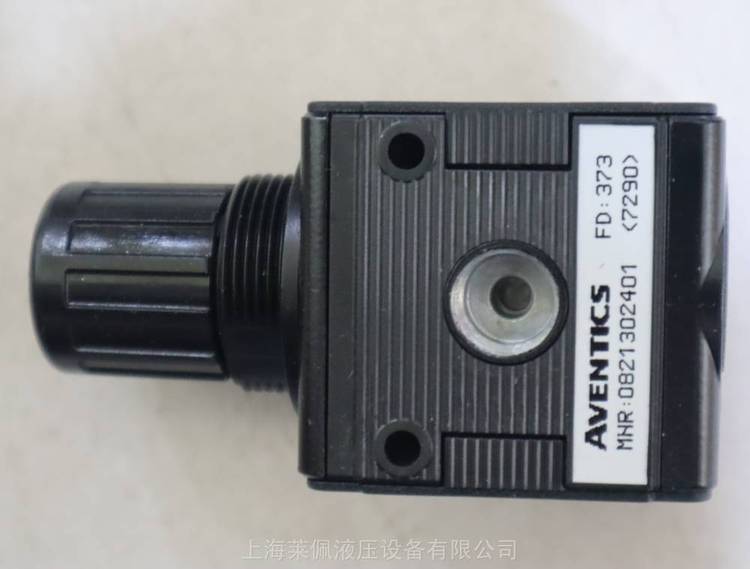 the following parts:
1. Magnetostrictive driving element: as the core component, it is responsible for converting electromagnetic energy into mechanical displacement.
2. Bias magnet: used to provide a constant initial magnetic field to make magnetostrictive materials in the best working state.
3. Coil winding: the deformation of the driving element is controlled by inputting the changing magnetic field generated by the control current.
4. Valve core and feedback mechanism: it is used to transform tiny deformation into mechanical movement to control flow, and realize closed-loop control through feedback mechanism.
When the input current changes, the generated magnetic field also changes, resulting in changes in the length of magnetostrictive materials. This micron-scale deformation can be amplified by lever or hydraulic amplification system, which can accurately control the opening of the valve port and then adjust the working state of the hydraulic system.
Advantages and application of magnetostrictive servo valve
Compared with the traditional solenoid valve, magnetostrictive servo valve has the advantages of fast response, high control accuracy and strong anti-interference ability. Because its driving mode does not depend on electromagnetic attraction, but on the physical characteristics of the material itself, it can achieve more stable and predictable control effect.
These valves are widely used in aerospace, precision machine tools, automatic production lines, robots and other fields that require high control accuracy. For example, in the flight control system, it can quickly respond to the pilot’s instructions and improve flight stability; In CNC machine tools, it is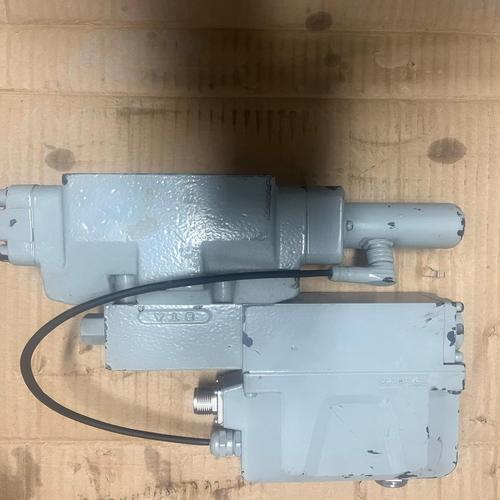 helpful to improve machining accuracy and surface quality.
IV. Conclusion
With the development of material science and electronic control technology, the performance of magnetostrictive servo valve is constantly improving. In the future, with the development of new magnetostrictive materials and the progress of manufacturing technology, this kind of servo valve will play an important role in a wider range of industrial fields, providing solid technical support for realizing intelligent and high-precision control systems.