Efficient implementation methods of daily mechanical valve inspections
Mechanical valves are indispensable equipment in industrial production, and their stability and reliability directly affect production efficiency and product quality. Therefore, regular inspections of mechanical valves to ensure their good operating condition are the key to ensuring production safety and improving production efficiency. This article will discuss the efficient implementation methods of daily mechanical valve inspections.
Preparation before inspection
Formulate inspection plans: Formulate inspection plans, clarify the frequency, content, and methods of the inspection, to ensure the systematicity and comprehensiveness of the inspection. Reasonably arrange the frequency of the inspection according to the type and operating state of the equipment. The inspection plan should include the time, personnel, equipment, and specific content of the inspection, ensuring the orderly progress of the inspection.
Prepare inspection tools: According to the inspection plan, prepare the corresponding inspection tools, such as thermometers, pressure gauges, measuring instruments, and detection equipment. These tools can help inspectors complete the inspection tasks accurately and quickly, improving the efficiency and accuracy of the inspection.
Train inspectors: Train the inspectors to understand the purpose, methods, and precautions of the inspection, to improve their professional skills and sense of responsibility.
Inspection implementation
Check the appearance of the mechanical valve: Check whether there are any abnormalities in the appearance of the mechanical valve, such as cracks, corrosion, deformation, etc., and whether the valve body, valve cover, valve stem, and valve core have any damage or missing parts. Check whether the installation of the mechanical valve is firm and whether there are any loosening phenomena.
Measure the parameters of the mechanical valve: Measure the working pressure, working temperature, flow, and other parameters of the mechanical valve, and compare them with the equipment operating requirements to judge whether the working state of the mechanical valve is normal.
Check the sealing performance of the mechanical valve: Check whether there are leakage phenomena on the sealing surfaces of the valve body, valve cover, valve stem, and valve core, and whether the sealing rings are worn or damaged. Check whether the sealing rings of the mechanical valve are worn or damaged.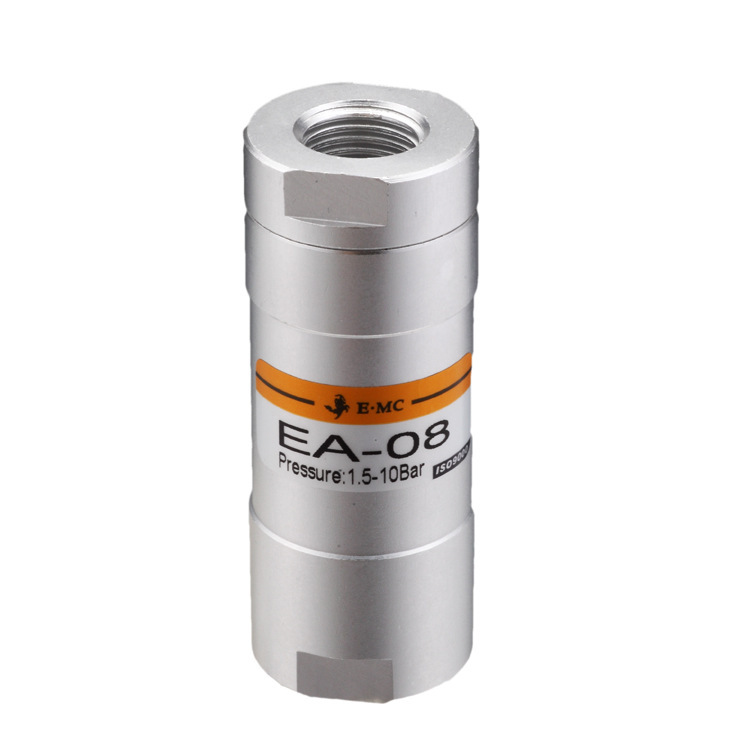
Check the lubrication condition of the mechanical valve: Check the lubrication condition of the mechanical valve, such as whether the lubrication of the valve stem, valve core, and sealing ring is sufficient, and whether the lubricant has deteriorated.
Check the control system of the mechanical valve: Check the working status of the control system of the mechanical valve, such as the operation status of the solenoid valve and regulating valve, and whether the control system is stable and reliable.
Post-inspection processing
Record the inspection results: Record the results of the inspection, including the problems found, the measures taken, and the results of the measures, for subsequent tracking and improvement.
Formulate improvement measures: According to the results of the inspection, formulate corresponding improvement measures, such as replacing worn parts, adjusting working parameters, optimizing the lubrication system, etc., to improve the operation efficiency and reliability of the mechanical valve.
Train employees: Train the inspectors to understand the purpose, methods, and precautions of the inspection, to improve their professional skills and sense of responsibility.
Summary
The daily inspection of mechanical valves is an important link to ensure the stable operation of equipment. Its efficient implementation requires the inspectors to have professional knowledge and skills, to formulate scientific inspection plans, to prepare necessary tools, and to train the inspectors. Only in this way can the smooth progress of the inspection work be ensured, thus guaranteeing the safety and efficiency of production.