As a key executive component in hydraulic control system, servo valve is widely used in aerospace, heavy machinery, industrial automation and other fields. The stability and response speed of its performance directly affect the control accuracy and reliability of the whole system. However, in practical application, the servo valve often needs to operate under extreme working conditions such as high temperature, low temperature, high pressure, high vibration and strong electromagnetic interference, which puts forward higher requirements for the design and simulation of the servo valve. Therefore, it is of great significance to carry out the simulation research of servo valve under extreme working conditions.
Firstly, the simulation of servo valve is usually based on multi-physical field coupling modeling method. Under extreme working conditions, the traditional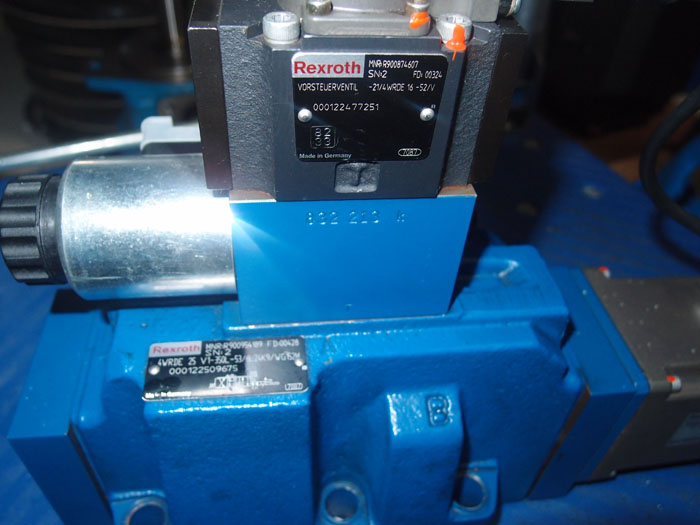 analysis method of single physical field can no longer meet the requirements of simulation accuracy. For example, in the high temperature environment, the thermal expansion characteristics, lubricating properties of the internal materials of the servo valve and the resistance change of the electromagnetic coil will significantly affect the dynamic response of the valve. Therefore, it is necessary to establish a multi-field coupling model including thermodynamics, electromagnetism, fluid mechanics and structural mechanics to reflect the system behavior under extreme conditions more truly.
Secondly, the simulation analysis in extreme temperature environment is particularly critical. Taking the extreme case of low temperature as an example, the viscosity of hydraulic oil will increase significantly, which will lead to the decrease of the response speed of servo valve and even the phenomenon of sticking. By establishing a hydrodynamic model considering the viscosity-temperature characteristics of oil and combining with the low-temperature brittleness characteristics of materials, the working performance of servo valves in extremely cold environment can be predicted, thus guiding material selection and structure optimization.
In the environment of high pressure and high vibration, the servo valve may face the problems of seal failure, dynamic instability and even structural fatigue failure. At this time, the simulation should combine finite element analysis (FEA) and computational fluid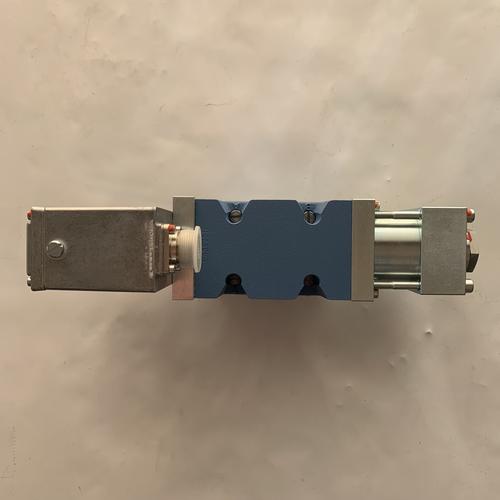 dynamics (CFD) to evaluate the stress state of the valve core, valve seat and shell, and predict its stability and life under vibration load through modal analysis.
In addition, the modern simulation technology also introduces the concept of Digital Twin, which synchronizes the actual operation data of the servo valve with the simulation model in real time, and realizes the dynamic prediction and fault early warning of the performance change under extreme working conditions. This not only improves the accuracy of simulation, but also provides strong support for the maintenance and improvement of the system.
To sum up, the simulation research of servo valve under extreme working conditions is a complex and systematic project, involving the integration of multidisciplinary and advanced simulation technology. With the continuous development of simulation tools and algorithms, it is expected to realize a servo valve simulation system with higher accuracy and stronger adaptability in the future, which will provide a solid guarantee for improving the reliability of hydraulic control system.