Key Points of Temperature Control in Annealing Treatment of Mechanical Valve Castings
In the manufacturing process of mechanical valves, tempering treatment is a very important process. Tempering treatment is a heat treatment process, and its main purpose is to eliminate the internal stress generated in the casting during the casting and forging process through slow cooling, improve the mechanical properties of the casting, and enhance its toughness, strength, and hardness. Therefore, the temperature control of the tempering treatment is crucial. Improper temperature control may cause the casting to fail to achieve the expected performance, or even cracks and deformation. This article will start from the basic principle of tempering treatment and discuss the key points of temperature control in the tempering treatment of mechanical valve castings.
I. Basic principle of tempering treatment
Tempering treatment is a heat treatment process in which the casting is heated to a predetermined temperature, maintained for a period of time, and then slowly cooled. During the tempering treatment process, the grains inside the casting will reorganize, form finer grains, improve its plasticity and toughness, reduce hardness, and achieve the purpose of improving mechanical properties. The temperature control of the tempering treatment is the key to the tempering treatment. Improper temperature control may cause the casting to fail to achieve the expected performance, or even cracks and deformation. This article will start from the basic principle of tempering treatment and discuss the key points of temperature control in the tempering treatment of mechanical valve castings.
II. Key points of temperature control in the tempering treatment of mechanical valve castings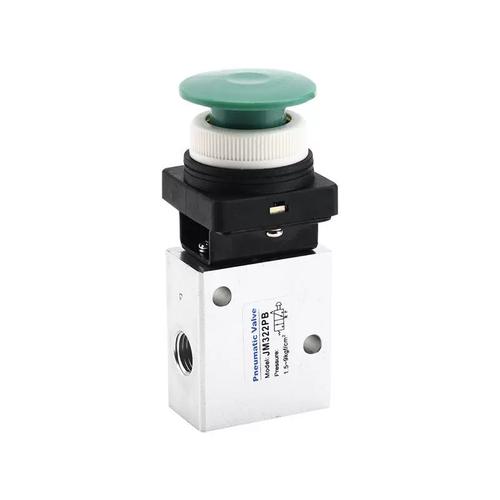
Select an appropriate tempering temperature
The selection of the tempering temperature directly affects the performance of the casting, therefore, it is necessary to select an appropriate tempering temperature. Generally speaking, the higher the tempering temperature, the better the toughness of the casting, but the hardness will also decrease accordingly. Therefore, the appropriate tempering temperature should be selected according to the use and performance requirements of the casting. For general-purpose mechanical valve castings, the tempering temperature is usually between 350℃ and 500℃.
Control the tempering time
The length of the tempering time also affects the performance of the casting. The longer the tempering time, the better the toughness of the casting, but the hardness will also decrease accordingly. Therefore, the appropriate tempering time should be selected according to the use and performance requirements of the casting. For general-purpose mechanical valve castings, the tempering time is usually between 2 to 4 hours.
Adopt the correct cooling method
The cooling method of the tempering treatment also affects the performance of the casting. Usually, natural cooling is adopted, that is, after the casting is taken out from the heating furnace, it is placed in the air to cool. This method is simple and easy to implement, but the cooling speed is slow, which is easy to cause internal stress in the casting. Therefore, the appropriate cooling method should be selected according to the use and performance requirements of the casting. For general-purpose mechanical valve castings, natural cooling can be adopted.
Pay attention to the uniformity of temperature control
During the tempering treatment process, the internal temperature distribution of the casting may be uneven, therefore, measures must be taken to ensure the uniformity of temperature control. Usually, a multi-point heating method is adopted, that is, after the casting is heated to the predetermined temperature, the tempering treatment is carried out. This method can ensure the uniform internal temperature distribution of the casting and improve the effect of the tempering treatment.
In summary, tempering treatment is a very important process in the manufacturing process of mechanical valve castings, and its temperature control is the key to the tempering treatment. By selecting appropriate tempering temperature, controlling the tempering time, adopting the correct cooling method, and ensuring the uniformity of temperature control, it can ensure that the mechanical valve casting achieves the expected performance.