In hydraulic system, vibration is a common and serious technical problem. During the operation of hydraulic system, vibration often occurs due to pressure fluctuation, flow pulsation, mechanical resonance and other factors. These vibrations will not only reduce the working efficiency and service life of equipment, but also pose a threat to the safety of operators. Therefore, it is of great theoretical and practical significance to study the causes of hydraulic vibration and its suppression methods.
First, the cause analysis of hydraulic vibration
The vibration of hydraulic system mainly comes from the following aspects: first, the periodic pressure fluctuation and flow pulsation produced by hydraulic pump and hydraulic motor during the working process; The second is the hydraulic impact caused by the control valve in the process of rapid opening and closing; Third, the unreasonable pipeline arrangement in the system leads to poor oil flow, eddy current and pressure fluctuation; Fourth, the mechanical structure resonance caused by insufficient system rigidity or sudden load change.
In addition, the compressibility of oil and the mixing of air in the hydraulic system will also aggravate the occurrence of vibration. The interaction of these factors makes the problem of hydraulic vibration complex and changeable, and it is difficult to solve it by a single method.
Second, the suppression method of hydraulic vibration
1. Optimize the system design
Vibration control should be fully considered in the system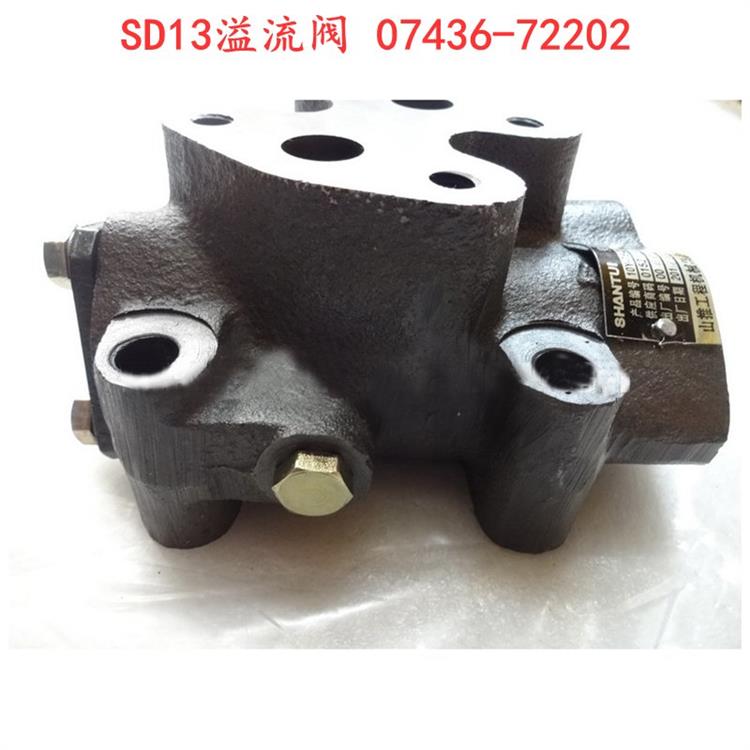 design stage. Reasonably select the types of hydraulic pumps and motors, and give priority to variable pump or multi-piston pump with small flow pulsation; Optimize the response characteristics of the control valve to avoid too fast switching action; In pipeline design, elbows and branches are minimized, and flexible connectors are used to absorb vibration energy.
2. Use hydraulic accumulator
Hydraulic accumulator is an effective vibration suppression device. It can absorb the pressure pulsation and impact energy in the system, and play a role in buffering and stabilizing pressure. By installing accumulators at key positions, the dynamic response of the system can be effectively reduced, thus reducing vibration.
3. Set up vibration damping device
Adding damping devices, such as rubber pads, hydraulic dampers and damping brackets, to the hydraulic system can effectively isolate the propagation path of vibration. Especially, installing damping elements between the hydraulic pump and the oil tank and between the actuator and the mechanical structure can significantly reduce the overall vibration level.
4. Adopt active control technology
With the development of control technology, more and more hydraulic systems begin to use active control systems to suppress vibration. By installing sensors to monitor the state of the system in real time, the controller can adjust the opening of the valve or change the displacement of the pump, so as to realize the dynamic suppression of vibration. Although the cost of this method is high, the control accuracy and effect are remarkable.
5. Strengthen system maintenance and monitoring.
Regularly chec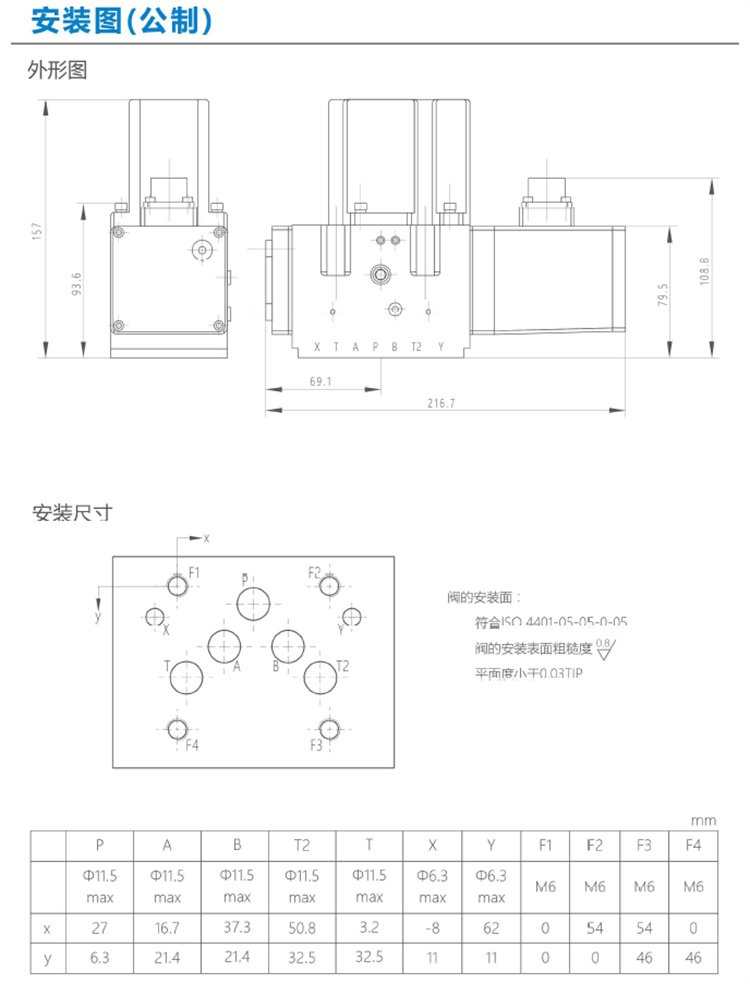 the working state of each element of the hydraulic system, and replace the aging or damaged seals, pipelines and valves in time to avoid abnormal vibration. At the same time, the state of hydraulic equipment can be evaluated by vibration monitoring system to realize preventive maintenance management.
Third, the conclusion
To sum up, hydraulic vibration is a problem that cannot be ignored in the operation of hydraulic system, and its causes are complex and its influence is extensive. Through optimization of system design, rational allocation of damping components, adoption of advanced control technology and strengthening daily maintenance, hydraulic vibration can be effectively suppressed and the stability and reliability of the system can be improved. In the future, with the development of intelligent control and sensing technology, the control of hydraulic vibration will be more efficient and accurate, which will provide strong support for the development of hydraulic transmission technology.