# 1. Capacity design
The capacity of hydraulic oil tank is the primary parameter of design, which must be calculated according to the actual demand of hydraulic system. The capacity of the oil tank should usually meet the circulation demand of hydraulic oil in the system, and a certain margin should be set aside to cope with the temperature change and oil replenishment demand. Generally speaking, the capacity of the oil tank should be 3 to 5 times of the flow rate per minute of the hydraulic pump. In addition, oil expansion and dynamic liquid level change during equipment operation should be considered to ensure that the oil tank can provide sufficient hydraulic oil under various working conditions.
# 2. Structural design
The structural design of hydraulic oil tank should ensure its strength and rigidity to withstand internal pressure and external load. Common fuel tank structures include rectangular and cylindrical, and sharp corners should be avoided in design to reduce stress concentration. The bottom of the oil tank should be designed with a certain inclination to facilitate the discharge of sediment and moisture; At the same time, it is necessary to set an observation window or a liquid level gauge to monitor the oil level at any time.
# 3. Thermal management
Hydraulic oil will generate heat due to friction and pressure loss during circulation, and the oil tank needs to have good heat dissipation capacity. The surface area of the oil tank and the heat dissipation conditions of the surrounding environment should be considered in the design, and a radiator or cooling device can be added if necessary. In addition, local overheating areas should be avoided inside the fuel tank to ensure uniform heat distribution.
# 4. Filtering and separation
Hydraulic oil may contain impurities and air, so it is necessary to set a filter and an air separator in the oil tank. Usually, a baffle will be set inside the oil tank to extend the oil flow path and promote air separation and impurity deposition. The filter screen or magnetic filter can effectively absorb metal particles and other impurities and keep the cleanliness of hydraulic oil.
# 5. Ventilation and sealing
The hydraulic oil tank needs to communicate with the atmosphere to balance the internal pressure of the oil tank and prevent negative pressure or positive pressure from causing seal failure. For this reason, a ventilation filter is usually installed on the fuel tank,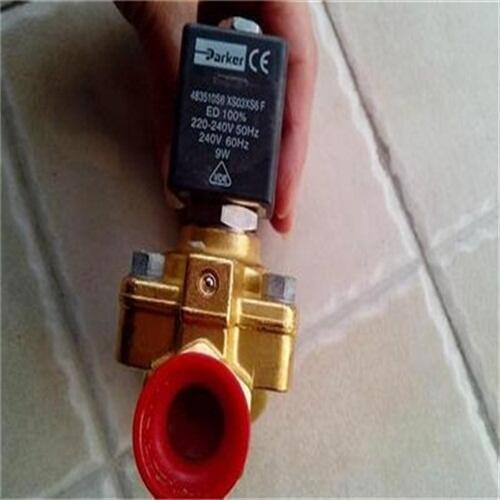 which can not only keep the ventilation smooth, but also prevent dust and moisture from entering. For special occasions requiring explosion-proof or sealing, the fuel tank should be designed as a completely sealed structure and equipped with corresponding safety devices.
# 6. Maintenance and installation
The design of hydraulic oil tank should also consider the convenience of maintenance, such as setting drain valve and cleaning port. The installation position should be convenient for maintenance and replacement of hydraulic oil, and ensure that there is enough space around the oil tank to avoid the adverse impact of vibration or heat source on the oil tank.
In a word, the design of hydraulic oil tank is a systematic work, which needs to comprehensively consider capacity, structure, heat dissipation, filtration and other aspects. Only through scientific and reasonable design can the hydraulic system run efficiently and stably, thus improving the performance and service life of the equipment.