In modern industrial automation system, hydraulic servo system is widely used in all kinds of precision equipment because of its fast response speed and high control accuracy. As the core control element in the hydraulic servo system, the servo valve’s performance directly affects the control accuracy and stability of the system. Especially in low-pressure working conditions, it is particularly important to choose the appropriate low-pressure servo valve. In this paper, the key points of low-pressure servo valve selection will be elaborated in detail to help engineers and technicians make scientific and reasonable choices.
First, clear system requirements
The first step of type selection is to fully understand the operating parameters and control requirements of hydraulic system. Low-pressure servo valves are usually used in systems with working pressure in the range of 0 ~ 10 MPa, and are suitable for machine tools, packaging machinery, injection molding machinery and other application scenarios that require high control accuracy. Therefore, the key parameters of the system, such as working pressure, flow demand, control accuracy, response speed, load type and control signal type (such as voltage, current or digital signal), should be made clear before selection.
Second, pay attention to the technical parameters of the servo valve
In the selection of low-pressure servo valve, the following technical parameters are particularly important:
1. Flow range: The rated flow of the servo valve is selected according to the maximum flow demand of the system actuator to ensure that there is no flow bottleneck in the system operation.
2. Pressure grade: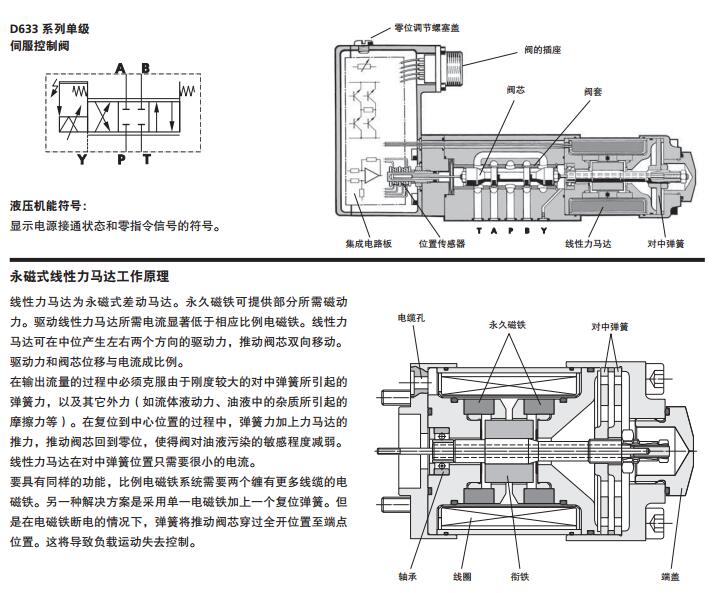 Although it is a low-pressure system, it is still necessary to confirm whether the working pressure range of the servo valve meets the system requirements to avoid performance degradation due to pressure fluctuation.
3. Frequency response characteristics (frequency response): The frequency response of the servo valve determines its dynamic response ability, and the servo valve with high frequency response is more suitable for high-speed control system.
4. Control signal type: Common control signals include analog signals (such as ±10V or 4 ~ 20mA) and PWM signals, etc. It is necessary to ensure that the control interface of the servo valve is compatible with the control system.
5. Leakage and zero-position characteristics: The low-pressure servo valve should have good zero-position stability and low leakage characteristics to ensure the control accuracy and energy-saving effect of the system.
Third, consider the structure and installation of the servo valve.
According to the structure, the low-pressure servo valve can be divided into slide valve type and nozzle baffle type. The slide valve has simple structure and strong anti-pollution ability, and is suitable for medium and low pressure occasions; The nozzle baffle type has faster response, but higher cost and higher requirement for oil cleanliness. In addition, the installation mode of servo valve should be considered, including plate installation, flange connection or integration in hydraulic manifold block, which should match the overall design of the system.
Iv. assessment of environment and working conditions
The working environment of low-pressure servo valve also affects its performance and life. For example, factors such as temperature change, humidity, vibration and cleanliness of oil should be considered in the selection. Especially in the aspect of oil cleanliness, although the pressure of the low-pressure system is not high, the servo valve is precise inside, so it is still necessary to equip with a suitable filtering system to prevent pollutants from entering and causing the spool to jam or respond slowly.
Five, the choice of brand and after-sales service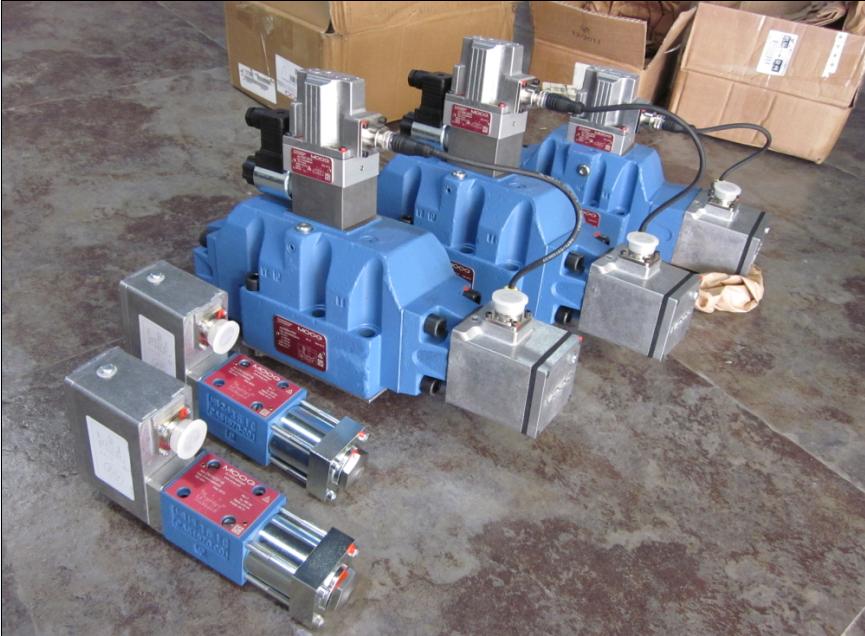
As a key component in the system, the quality and stability of servo valve are very important. It is recommended to choose brand products with good reputation, strong technical strength and perfect after-sales service. At the same time, we should pay attention to the maintainability of products and the supply of spare parts to ensure the convenience of later maintenance.
Conclusion:
The selection of low-pressure servo valve is a systematic and technical work, which needs to comprehensively consider system performance, technical parameters, use environment and subsequent maintenance. Only on the basis of comprehensive understanding of the system requirements, scientific and reasonable selection of the appropriate model can give full play to the control performance of the servo system, improve the operating efficiency and stability of the equipment, and thus enhance the overall production efficiency.