Introduction to commonly used tools for mechanical valve fault diagnosis
Mechanical valves are common components in industrial automation systems. They regulate the flow of media to achieve the purpose of automation control. However, due to the long-term exposure of mechanical valves to harsh working environments, various faults are inevitable. Therefore, understanding and mastering some commonly used tools for diagnosing mechanical valve faults is particularly important.
1. Commonly Used Tools for Mechanical Valve Fault Diagnosis
Detection tools: Detection tools mainly include multimeters, oscilloscopes, and spectrum analyzers. Among them, the multimeter is mainly used to measure voltage, current, resistance, and other electrical parameters; the oscilloscope is mainly used to measure and analyze signal waveforms; the spectrum analyzer is mainly used to measure and analyze the frequency spectrum characteristics of signals.
Measurement tools: Measurement tools mainly include pressure gauges, thermometers, level gauges, and flowmeters. Among them, the pressure gauge is used to measure the pressure of the medium; the thermometer is used to measure the temperature of the medium; the level gauge is used to measure the level of the medium; the flowmeter is used to measure the flow of the medium.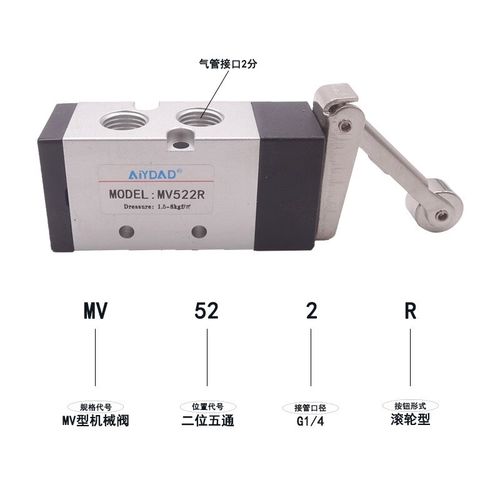
Diagnostic tools: Diagnostic tools mainly include vibration analyzers, sound level meters, and illuminance meters. Among them, the vibration analyzer is used to measure the vibration condition of the mechanical valve; the sound level meter is used to measure the noise condition of the mechanical valve; the illuminance meter is used to measure the working environment illuminance of the mechanical valve.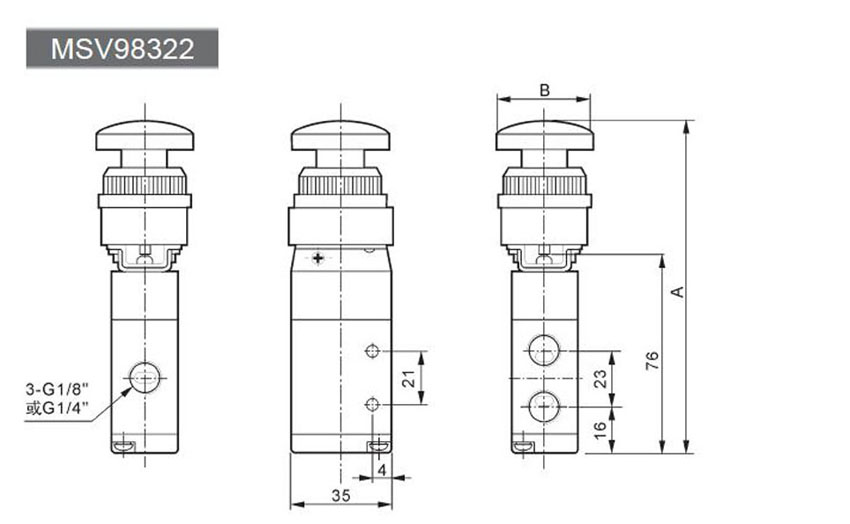
Detection and diagnostic software: Detection and diagnostic software mainly includes mechanical valve detection software and mechanical valve diagnostic software. These software can help us quickly and accurately detect and diagnose the faults of mechanical valves.
2. Methods of Using Tools
Using a multimeter to measure voltage, current, resistance, and other electrical parameters can determine whether there are electrical faults such as short circuits or open circuits in the mechanical valve.
Using an oscilloscope to measure and analyze signal waveforms can determine whether there are abnormal signals or signal interferences in the mechanical valve.
Using a spectrum analyzer to measure and analyze the frequency spectrum characteristics of signals can determine whether there are abnormal frequencies or frequency interferences in the mechanical valve.
Using measurement tools such as pressure gauges, thermometers, level gauges, and flowmeters can determine whether there are abnormal pressures, temperatures, levels, or flows in the mechanical valve.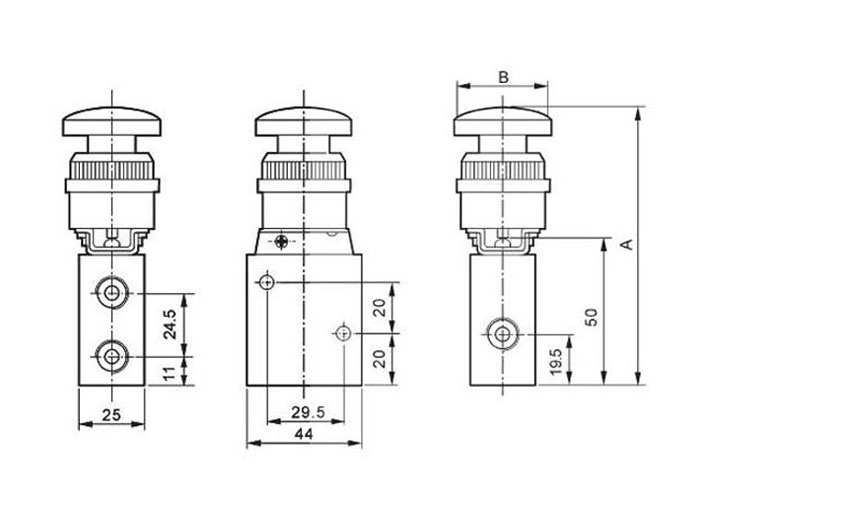
Using diagnostic tools such as vibration analyzers, sound level meters, and illuminance meters can determine whether there are abnormal vibrations, noises, or abnormal environmental illuminance in the mechanical valve.
Using detection and diagnostic software such as mechanical valve detection software and mechanical valve diagnostic software can quickly and accurately detect and diagnose the faults of mechanical valves.
3. Summary
The commonly used tools for mechanical valve fault diagnosis mainly include detection tools, measurement tools, diagnostic tools, as well as detection and diagnostic software. By using these tools reasonably, one can quickly and accurately detect and diagnose the faults of mechanical valves, thereby improving the operating efficiency and service life of mechanical valves.