In modern industrial automation and precision control system, servo valve, as a key executive component, is widely used in hydraulic system to realize high-precision control of position, speed or force. With the development of digital control technology, digital servo valve gradually replaces traditional analog servo valve and becomes the mainstream. Among them, pulse control, as an efficient control mode, has been widely used in digital servo valves.
First, the basic principle of digital servo valve
Digital servo valve is a kind of electro-hydraulic control element which controls the hydraulic actuator accurately by microprocessor or special controller after the control signal is digitized. It converts the input digital signal into hydraulic output, and has the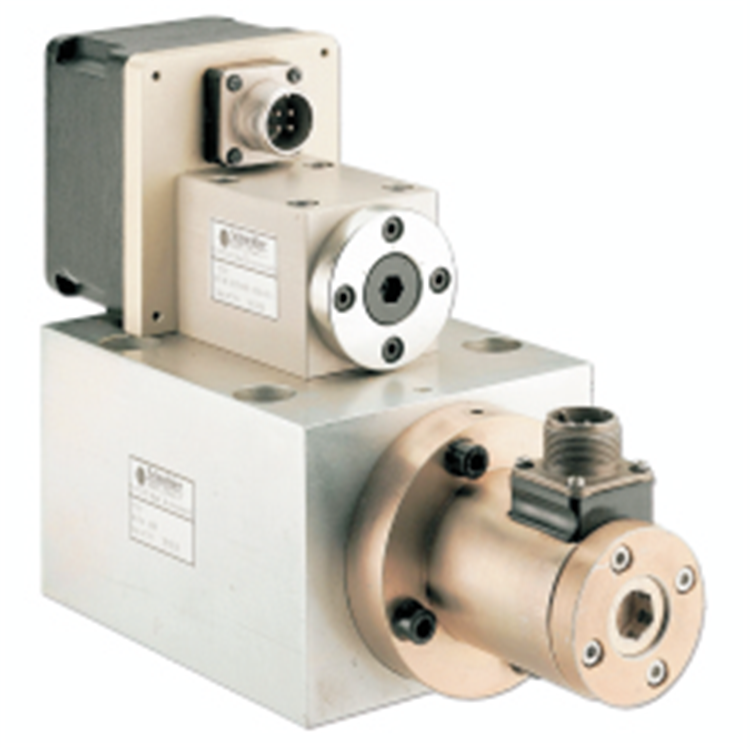 advantages of fast response, high control accuracy and strong anti-interference
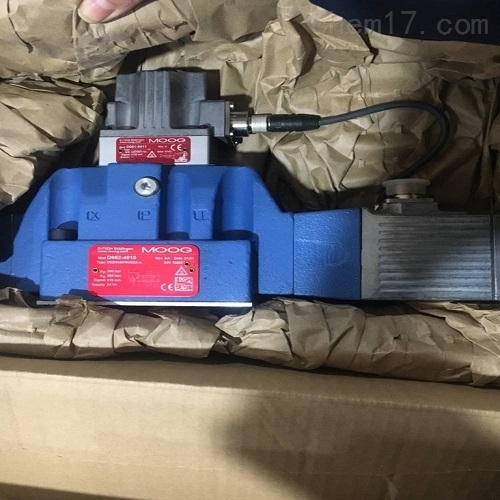 ability.
Traditional servo valves are mostly controlled by analog signals, which have some problems such as limited precision, easy interference and complicated debugging. The digital servo valve is controlled by digital circuit or embedded system, which can better adapt to complex control algorithms and improve the stability and flexibility of the system.
Second, the basic concept of pulse control technology
Pulse control is a technology that uses pulse signals (such as pulse width modulated PWM signals) to control the output of actuators.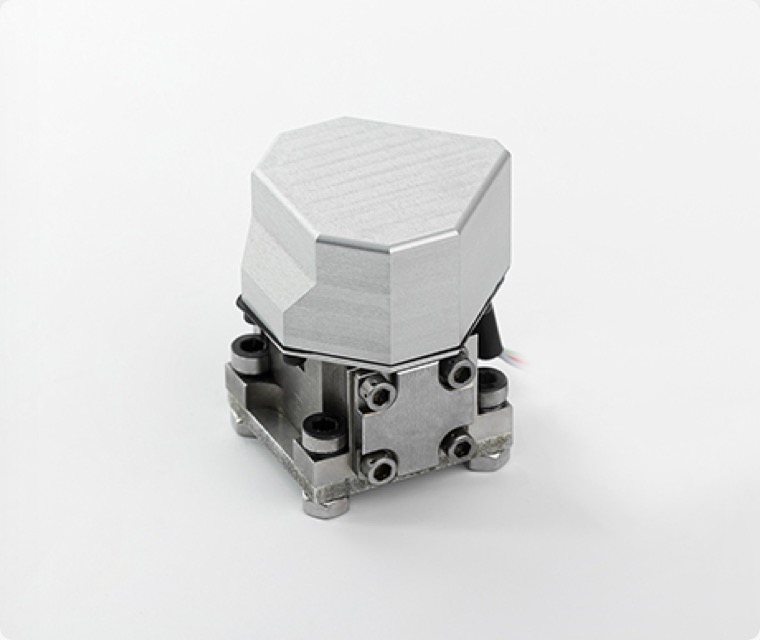 Its basic principle is to control the average power output of the actuator by adjusting the pulse width or frequency, so as to achieve accurate adjustment of the flow or pressure of the hydraulic system.
In digital servo valve, pulse control usually adopts PWM (pulse width modulation) technology, that is, at a fixed frequency, the average output voltage or current is adjusted by changing the time ratio (duty ratio) of high level, so as to drive the electromagnetic coil inside the servo valve and control the opening of the valve.
Third, the application of pulse control in digital servo valve
1. Improve the control accuracy
Pulse control makes the digital servo valve respond to control instructions in a very short time by switching the electromagnetic coil at high speed, and realizes continuous and fine adjustment of flow and pressure. Compared with analog control, PWM control can effectively reduce nonlinear error and dead-time effect, and improve the dynamic response performance and steady-state accuracy of the system.
2. Enhance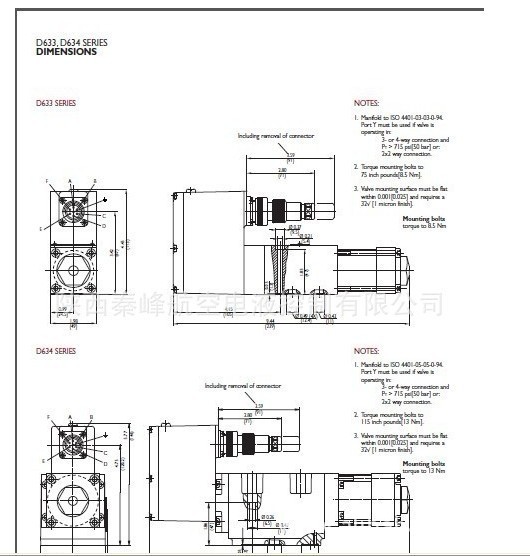 system stability
After the digital servo valve adopts pulse control mode, it can suppress electromagnetic interference more effectively and avoid the influence of noise in analog signal transmission. At the same time, the digital controller can integrate PID and other advanced control algorithms to realize real-time monitoring and adjustment of the system state and improve the stability and reliability of the whole system.
3. Easy integration and intelligence.
Pulse control is easy to cooperate with digital processors (such as PLC, DSP, ARM, etc.) to realize intelligent control. Through software programming, the control parameters can be flexibly adjusted to meet the requirements of different working conditions. In addition, it can also realize remote monitoring, fault diagnosis and other functions to meet the demand of intelligent manufacturing in the era of Industry 4.0.
IV. Typical application examples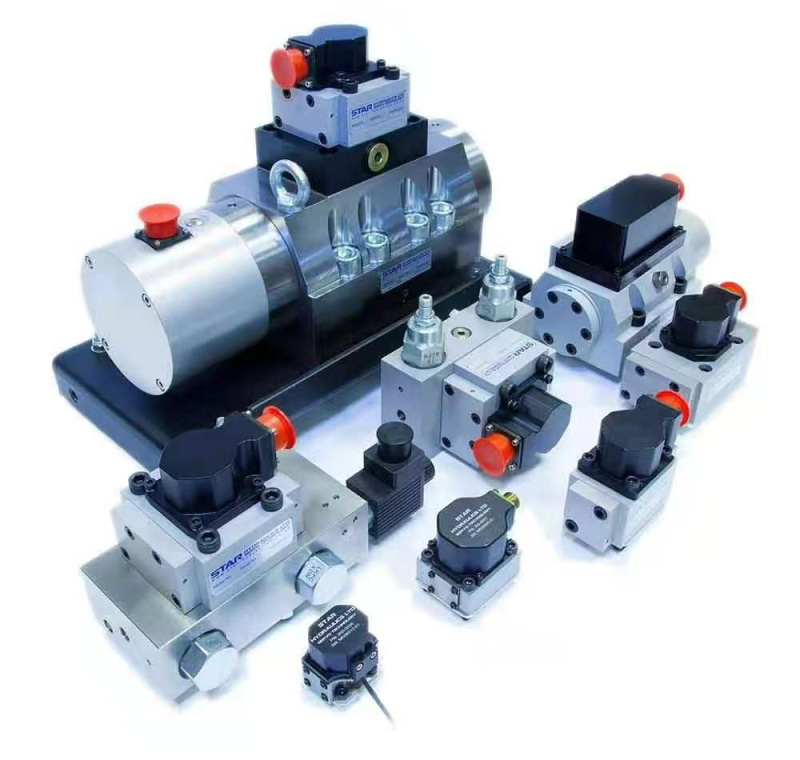
Pulse control technology of digital servo valve has been widely used in aerospace, robotics, precision machining, automatic production line and other fields. For example, in the numerical control machine tool, the digital servo valve ensures that the machine tool can still maintain the machining accuracy in high-speed movement through the precise control of the hydraulic cylinder; In robot joint control, pulse control realizes the flexible adjustment of hydraulic actuator, and improves the stability and response speed of motion.
V. Conclusion
With the continuous improvement of industrial automation level, digital servo valve plays an increasingly important role in various hydraulic control systems with its high precision, fast response and good programmability. As the core means to realize precise control, pulse control technology not only improves the performance of the system, but also provides a solid foundation for intelligent development. In the future, combined with emerging technologies such as artificial intelligence and edge computing, digital servo valve will show its powerful potential in a wider range of fields.