Consideration Factors for the Selection of Cutting Tools for Mechanical Valve Bodies Processing
In the processing process of mechanical valves, the selection of the cutting tool is crucial. It not only directly affects the processing accuracy and efficiency but also relates to the processing cost and product quality. Therefore, the reasonable selection of cutting tools is of great significance to improve the processing quality of mechanical valves. This article will discuss aspects such as cutting tool material, cutting tool geometric parameters, cutting tool angles, cutting tool geometric shapes, cutting tool durability, and processing technology, providing a reference for the processing of mechanical valve bodies.
1. Cutting Tool Material
The material of the cutting tool is an important factor determining the performance of the tool. In the processing of mechanical valve bodies, the selection of the cutting tool material mainly depends on the hardness of the material to be processed and the processing accuracy. For cemented carbide tools, such as tungsten carbide, they have high hardness, high wear resistance, and high toughness, and are suitable for processing hard materials such as stainless steel and hardened steel. For high-speed steel tools, they have good toughness, heat resistance, and cutting performance, and are suitable for processing plastic materials such as aluminum alloys and copper alloys. In addition, for some special occasions, such as high-speed cutting, high-speed steel tools or cemented carbide tools can be selected.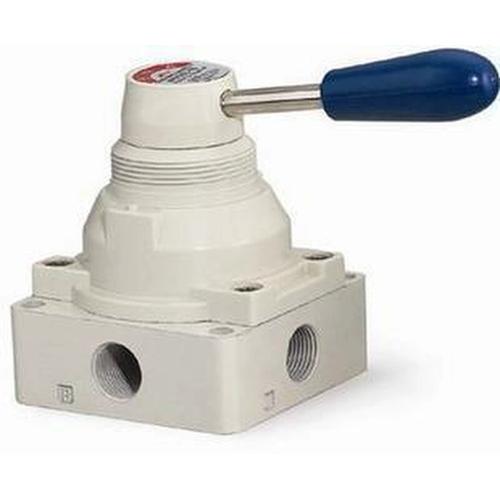
Two, Tool Geometric Parameters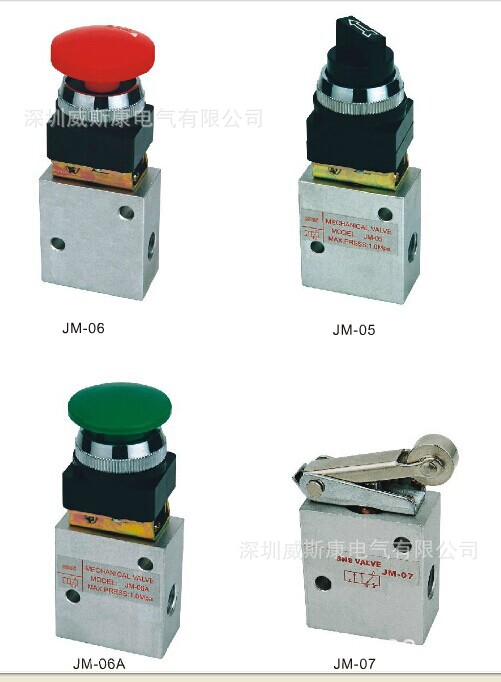
Tool geometric parameters include the front angle, rear angle, main cutting edge angle, and auxiliary cutting edge angle. These parameters have an important impact on the cutting performance of the tool. During the machining process, the front angle and rear angle of the tool determine the shape of the tool’s cutting edge, affecting the size of the cutting force and the stability of the cutting process; the main cutting edge angle and auxiliary cutting edge angle determine the position of the tool’s cutting edge on the workpiece, affecting cutting efficiency and processing accuracy. Therefore, when selecting cutting tools, it is necessary to choose the geometric parameters of the tool reasonably according to the hardness, strength, and toughness of the processing material, as well as the requirements for processing accuracy and efficiency.
Three, Tool Angles
Tool angles mainly include the front angle, rear angle, main cutting edge angle, and auxiliary cutting edge angle. The reasonable selection of these angles can improve the cutting performance of the tool, reduce cutting force, and increase processing efficiency and accuracy. For example, the front angle can reduce the cutting force and improve the service life of the tool; the rear angle can prevent vibration of the tool during the cutting process, improving processing accuracy; and the main cutting edge angle and auxiliary cutting edge angle can affect the position of the tool’s cutting edge on the workpiece, thereby affecting cutting efficiency and processing accuracy.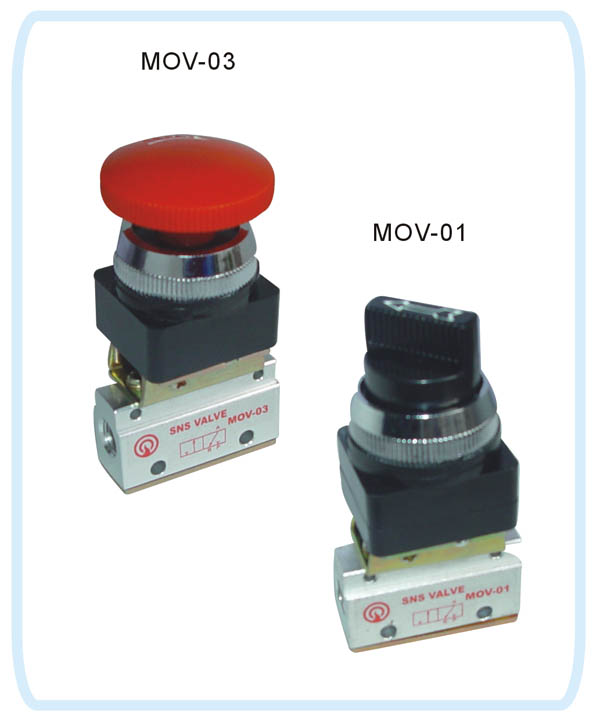
Four, Tool Geometric Shape
Tool geometric shape includes the front face, rear face, auxiliary rear face, and tip of the tool. The reasonable design of these geometric shapes can improve the cutting performance of the tool, reduce cutting force, and increase processing efficiency and accuracy. For example, the shape of the front face can affect the size of the cutting force and the stability of the cutting process; the shape of the rear face can prevent vibration of the tool during the cutting process, improving processing accuracy; and the shape of the tip can affect the position of the tool’s cutting edge on the workpiece, thereby affecting cutting efficiency and processing accuracy.
Five, Tool Wear Resistance
Tool wear resistance refers to the time that the tool can continuously work under normal cutting conditions. The level of tool wear resistance directly affects the service life of the tool and the processing cost. Therefore, when selecting cutting tools, it is necessary to choose the tool wear resistance reasonably according to the hardness, strength, and toughness of the processing material, as well as the requirements for processing accuracy and efficiency. For hard alloy tools, tools with high wear resistance can be selected; for high-speed steel tools, tools with high toughness can be selected.
Six, Processing Technology
Processing technology refers to the process parameters used during the machining process, such as cutting speed, feed rate, and cutting depth. The reasonable selection of these process parameters can improve the cutting performance of the tool, reduce cutting force, and increase processing efficiency and accuracy. For example, an increase in cutting speed can improve the cutting efficiency and processing accuracy of the tool; an increase in feed rate can improve the cutting efficiency and processing accuracy of the tool; and a decrease in cutting depth can improve the cutting efficiency and processing accuracy of the tool.
In summary, the selection of cutting tools has an important impact on the machining of mechanical valve bodies. When selecting cutting tools, it is necessary to comprehensively consider factors such as tool material, geometric parameters, tool angles, geometric shape, tool wear resistance, and processing technology. Only by making a reasonable choice of cutting tools can the processing quality of mechanical valves be improved, processing costs reduced, and production efficiency increased.