Key points for the processing size tolerance control of the mechanical valve seat
Introduction
In modern industrial production, the processing quality of valve parts directly relates to the performance, safety, and service life of the entire equipment. Among them, the processing size tolerance control of the mechanical valve seat is one of the key links. The processing size tolerance control of the valve seat not only relates to the sealing performance of the mechanical valve but also affects its working stability, reliability, and economy. Therefore, this article will discuss in detail the key points of the processing size tolerance control of the mechanical valve seat.
Two, The importance of controlling the size tolerance of valve seat processing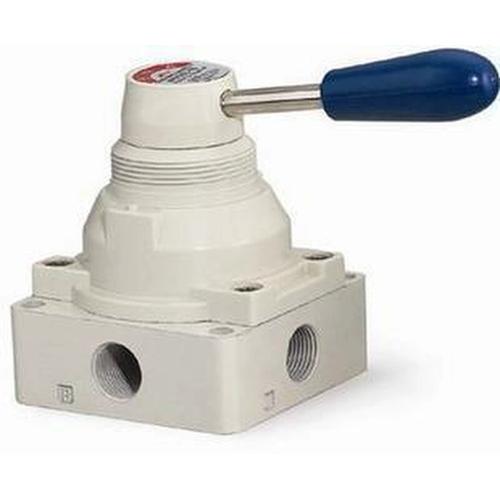
The valve seat is one of the key components of the mechanical valve, and its control of the machining size tolerance has a decisive impact on the performance of the entire valve body. The control of the size tolerance of the valve seat mainly includes the following points:
Sealing performance: The sealing performance between the valve seat and the valve core directly affects the sealing performance of the valve. If the size tolerance of the valve seat is too large, it will lead to poor contact of the sealing surface, thereby affecting the sealing performance and even causing leakage, resulting in equipment failure.
Working stability: The size tolerance of the valve seat has an important impact on the working stability of the valve. If the size tolerance of the valve seat is too large, it will lead to an uneven relative movement between the valve core and the valve seat, affecting the working stability of the valve.
Service life: The size tolerance of the valve seat has a direct impact on the service life of the valve. If the size tolerance of the valve seat is too large, it will lead to increased wear between the valve core and the valve seat, thereby shortening the service life of the valve.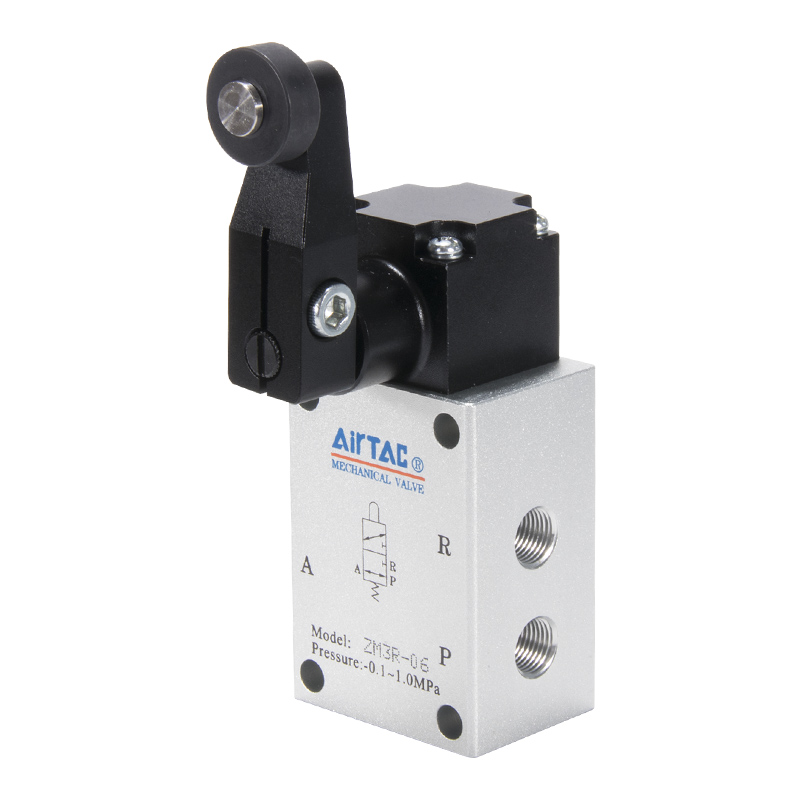
Economy: The size tolerance of the valve seat has an important impact on the economy of the valve. If the size tolerance of the valve seat is too large, it will lead to an increase in the usage frequency of the valve, thereby increasing the maintenance and replacement costs of the equipment.
Three, Key points for controlling the size tolerance of valve seat processing
Design stage: In the design stage, detailed planning needs to be made for the size tolerance of the valve seat. Designers need to fully consider the processing technology, material properties, and operating environment of the valve seat to ensure that the size tolerance of the valve seat meets the design requirements.
Processing technology: The processing technology of the valve seat directly affects its size tolerance. The processing technology includes tool selection, processing parameter setting, cooling and lubrication, etc. The selection and optimization of processing technology can effectively control the size tolerance of the valve seat.
Material selection: The choice of valve seat material will also affect its size tolerance. Different materials have different processing properties and size tolerances. Choosing the appropriate material can effectively control the size tolerance of the valve seat.
Detection methods: During the valve seat processing process, various detection methods need to be adopted, including measuring instruments and detection equipment, to monitor and control the size tolerance of the valve seat in real time. Through detection methods, size tolerance problems of the valve seat can be discovered and corrected in time, ensuring that the size tolerance of the valve seat meets the design requirements.
Personnel training: The valve seat processing personnel need to receive professional training to master the processing technology and detection methods of the valve seat, ensuring the quality and size tolerance control of the valve seat.
Four, Conclusion
The control of the machining size tolerance of the valve seat is one of the key links in the quality control of mechanical valve processing. By controlling the design, processing technology, material selection, detection methods, and personnel training of the valve seat from all aspects, the machining quality of the valve seat can be effectively improved, ensuring the sealing performance, working stability, service life, and economy of the valve, thereby improving the performance and reliability of the entire equipment.