Servo valve plays an important role in modern industrial automation system, especially in hydraulic control system, which can realize high-precision control of flow and pressure. With the development of embedded technology, microcontroller based on ARM architecture has been widely used in the field of servo valve control because of its advantages of high performance, low power consumption and low cost. This paper will discuss the basic principle, system architecture and practical application of servo valve ARM control.
First, the combination principle of servo valve and ARM control
Servo valve is a kind of proportional valve that controls hydraulic flow and pressure through electrical signals. It has fast response speed and high control precision, and is widely used in high-precision motion control systems such as aerospace, construction machinery and robots. Traditional servo valves are mostly controlled by PLC or special analog circuits, but there are some problems such as high cost, poor flexibility and difficult upgrade.
The embedded processor based on ARM architecture provides a more intelligent control scheme for the servo valve with its powerful computing power, rich interface resources and good real-time performance. Through the ARM processor, the closed-loop control of the servo valve can be realized, such as PID control algorithm and adaptive adjustment, so as to improve the dynamic response and stability of the system.
Second, the architecture of servo valve control system based on ARM
A typical servo valve control system based on ARM usually includes the following modules:
1. ARM master control module: ARM processors such as STM32 and S3C6410 are selected to be responsible for the logic control, data processing and communication tasks of the whole system.
2. Sensor acquisition module: including pressure sensor, flow sensor and position sensor, which is used to feed back the system state and provide basis for closed-loop control.
3. Signal processing module: filter, amplify and analog-to-digital convert (ADC) the sensor signal for the ARM processor to read and process.
4. Actuator control module: ARM outputs PWM signal to control the action of servo valve and adjust the flow and pressure of hydraulic system.
5. Man-machine interaction and communication module: realize parameter setting and remote monitoring through LCD, touch screen or communication interface (such as CAN and RS485).
Third, the practical application case analysis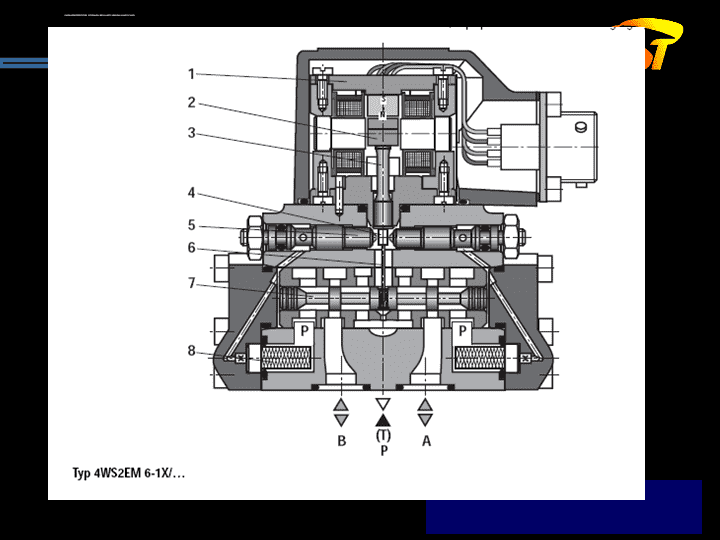
In industrial robots, servo valves are widely used to control the motion of hydraulically driven joints. Taking a certain type of hydraulic manipulator as an example, its joint drive system adopts STM32F4 series ARM processor, combined with high-precision pressure and angle sensors, and realizes accurate PID control of servo valve. The system CAN not only adjust the joint angle and torque in real time, but also communicate with the upper computer through CAN bus to realize fault diagnosis and remote control.
In addition, in large construction machinery, such as hydraulic excavators, cranes,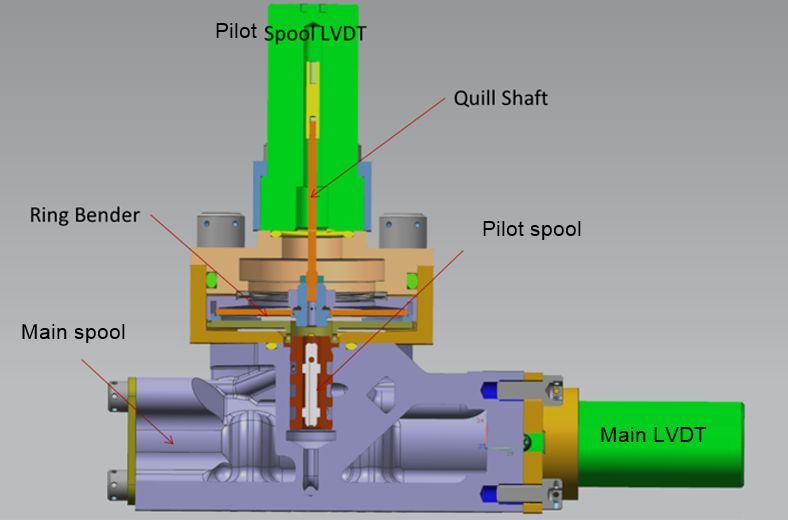 etc.,
etc.,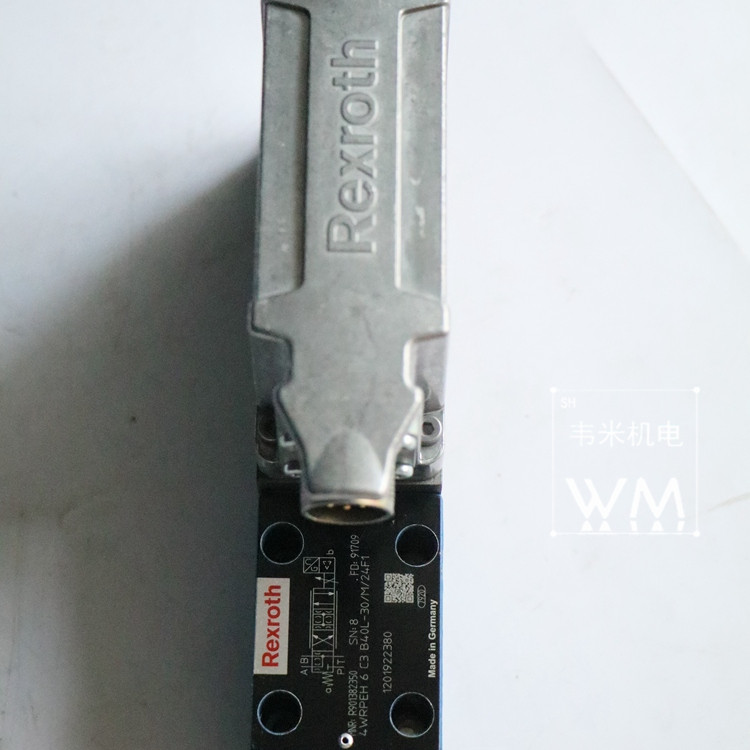 the servo valve system controlled by ARM can realize multi-degree-of-freedom collaborative control of the working device, which significantly improves the working efficiency and safety.
Fourth, the future development trend
With the development of artificial intelligence and edge computing, the future servo valve ARM control system will develop in the direction of intelligence, networking and modularization. For example, by introducing advanced algorithms such as fuzzy control and neural network, self-learning and adaptive control are realized; Remote monitoring and predictive maintenance of equipment through IoT technology; Improve the scalability and compatibility of the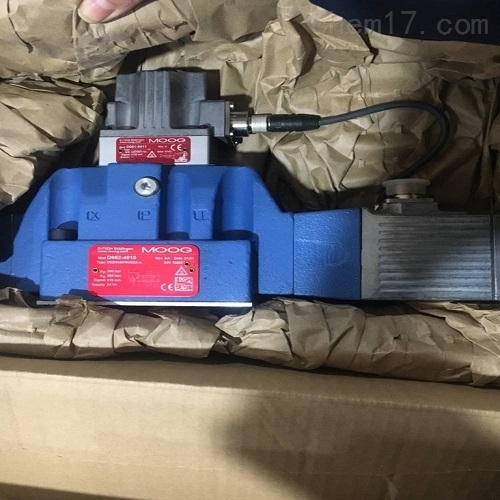 system through modular design.
tag
As the core component of high-precision hydraulic control, servo valve can effectively improve the performance and intelligent level of control system with the powerful function of ARM processor. With the continuous progress of technology, the application of ARM in the field of servo valve control will be more and more extensive, and it will become an important force to promote the development of industrial automation.