The causes and handling of the handwheel operation being stuck in mechanical valves
In industrial production, valves are important control components, and handwheels are an important part of the valve. During use, the phenomenon of handwheel operation being stuck occurs from time to time, which not only affects production efficiency but may also cause safety hazards. This article will discuss in detail the causes of handwheel operation being stuck in mechanical valves and propose corresponding handling measures.
Firstly, the causes of the handwheel operation being stuck in mechanical valves
Material aging or wear: After long-term use, the internal components of the valve, such as the valve core, valve seat, and valve stem, may wear or age, leading to loose fit between the handwheel and the valve stem, thus causing operation to be stuck.
Insufficient or failed lubrication: During operation, the valve needs lubrication to reduce friction and prevent wear of the components. If there is insufficient lubrication or the lubricant has failed, the friction between the handwheel and the valve stem increases, leading to operation being stuck.
Improper cleaning: If there is dirt, impurities, and other substances inside the valve, they may hinder the normal rotation of the handwheel. The accumulated dirt and impurities not only increase the friction of the handwheel but also cause wear of the valve stem, thus causing operation to be stuck.
Unreasonable valve design: Some valve designs may have defects, such as the valve stem being too thin or too long, or the gap between the valve core and the valve seat being too large or too small, all of which can cause handwheel operation to be stuck.
Internal component damage: The damage to internal components such as the valve core, valve seat, and valve stem can also cause handwheel operation to be stuck. For example, the damage to the sealing ring between the valve core and the valve seat can lead to the valve not closing tightly, thus causing operation to be stuck.
Operating environment factors: If the valve operates in harsh environments such as high temperature, high pressure, and corrosive media, it will accelerate the wear of the internal components of the valve, leading to handwheel operation being stuck.
Secondly, the handling methods for the handwheel operation being stuck in mechanical valves
Replacing worn parts: If the internal components of the valve are worn or aged, worn parts should be replaced immediately to restore the normal operation of the handwheel.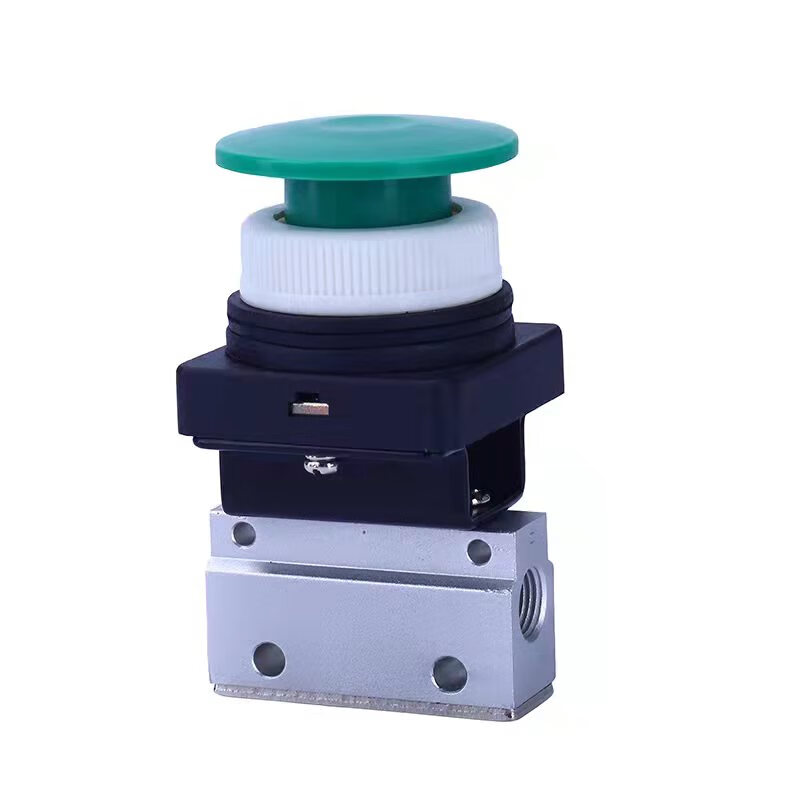
Re-lubricating: If the valve is insufficiently lubricated or the lubricant has failed, re-lubrication should be carried out to reduce the friction between the handwheel and the valve stem.
Cleaning the valve: Regularly clean the internal parts of the valve, remove dirt and impurities, to reduce the risk of handwheel operation being stuck.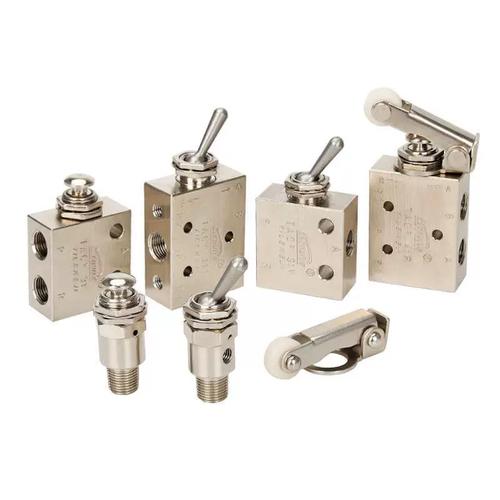
Optimizing valve design: In response to the problem of unreasonable valve design, the design of the valve should be optimized, such as improving the design of the valve stem and increasing the sealing ring between the valve core and the valve seat, in order to improve the performance of the valve.
Timely maintenance: If the internal components of the valve are damaged, maintenance should be carried out immediately to restore the normal operation of the valve.
Selecting an appropriate operating environment: If the valve operates in a harsh environment, an appropriate operating environment should be selected to extend the service life of the valve.
In summary, the operation of the mechanical valve handwheel being stuck is a common problem in the process of valve use, with diverse causes and corresponding handling methods. In actual operation, it is necessary to regularly check the operating status of the valve, discover and solve the problem of handwheel operation being stuck in a timely manner, to ensure the safety and efficiency of production.