Servo valve plays a vital role in the hydraulic control system, which is responsible for converting electrical signals into hydraulic output, thus achieving high-precision control of the actuator. With the continuous development of digital signal processor (DSP) technology, servo valve control system based on DSP has gradually become the mainstream scheme of high precision and high speed response control. This paper will focus on the development process of servo valve DSP control system, and discuss the hardware design, software programming, control algorithm realization and so on.
First, the overall architecture design of the system
Before developing the DSP control system of servo valve, it is necessary to make clear the overall architecture of the system. Generally speaking, the DSP control system includes the following core parts:
1. DSP main control module: select high-performance DSP chips (such as TMS320F28xx series of TI company) to be responsible for signal processing, PWM generation and closed-loop control algorithm execution.
2. Signal acquisition module: used to acquire feedback signals (such as displacement sensor signals) of the servo valve and system state parameters (such as current and voltage).
3. Power drive module: Power amplify the PWM signal output by DSP to drive the electromagnetic coil of the servo valve.
4. Communication interface module: realize data interaction with the upper computer or other controllers. Common interfaces include CAN, RS485, SPI, etc.
Second, the key points of hardware development
In hardware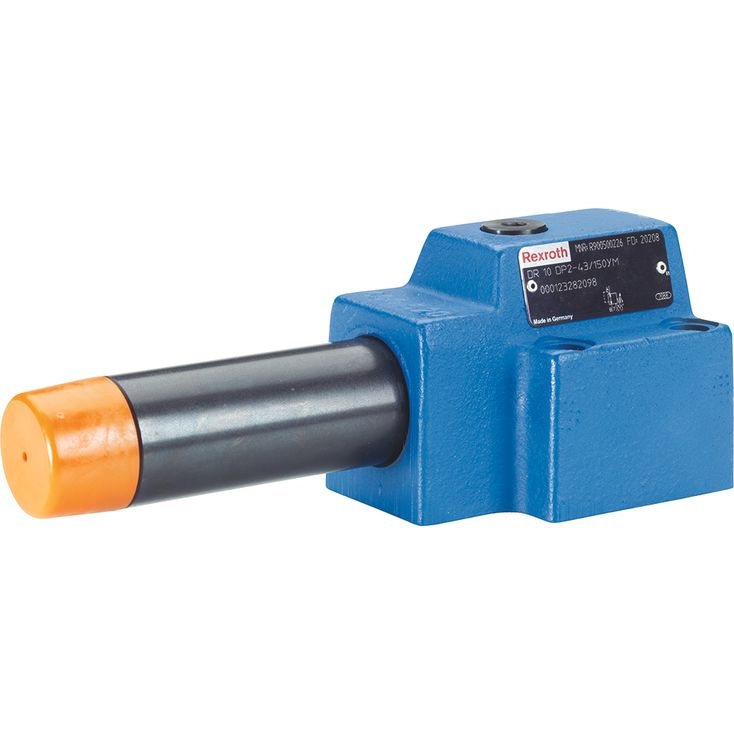 design, we should focus on the following points:
-DSP selection: select the appropriate DSP chip according to the requirements of control accuracy and response speed. For example, TMS320F28335 has high-precision PWM output and rich ADC interface, which is suitable for servo control field.
-signal conditioning circuit: the feedback signal is usually analog, which needs to be filtered, amplified and level converted before being sent to the ADC input port of DSP.
-PWM drive circuit: H-bridge drive structure combined with power MOSFET or IGBT is adopted to realize effective control of solenoid coil of servo valve.
-Power supply and isolation design: ensure that the digital part is electrically isolated from the power part, and improve the stability and anti-interference ability of the system.
Third, the software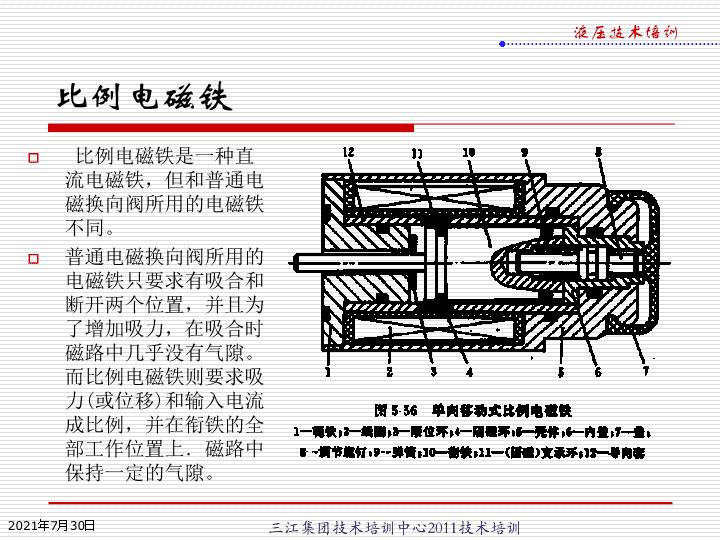 development process
Software development mainly includes initialization configuration, control algorithm implementation and task scheduling;
1. Initialization program: Set the basic parameters of system clock, GPIO, ADC, PWM, timer and other modules.
2. Data acquisition and processing: the sensor data is collected by ADC module, and low-pass filtering and normalization processing are carried out.
3. Realization of control algorithm: PID or improved PID (such as fuzzy PID and adaptive PID) is often used as the core control algorithm to realize closed-loop position or force control.
4. Real-time control task scheduling: the control algorithm is executed periodically by using timer interrupt to ensure the real-time response of the system.
Fourth, control algorithm optimization
In servo valve control, accurate position or flow control is the key. Although the traditional PID control is simple and effective, it may have some problems such as slow response and overshoot when the nonlinear load or parameters change greatly. Therefore, the following optimization methods can be considered:
-Introducing PID strategy of integral separation or differential first;
-Combining feedforward control to improve the dynamic response of the system;
-Using fuzzy control or neural network to realize on-line self-tuning of parameters;
-Applying model predictive control to improve control accuracy.
V. Debugging and Verification
After the system development is completed, several rounds of debugging and verification are required, including:
-Hardware function test: confirm that each module works normally;
-Software function verification: testing the effectiveness of the control algorithm;
-Actual load test: evaluate the dynamic response and stability of the servo valve under different working conditions;
-Fault diagnosis mechanism design: such as abnormal handling of overcurrent, undervoltage and communication abnormality.
tag
To sum up, the development of DSP control system of servo valve is a systematic project, involving hardware design, software programming and control algorithm. Only on the premise of reasonable system architecture design, optimization of control algorithm and cooperation of software and hardware can we give full play to the advantages of DSP in servo control and achieve high performance and high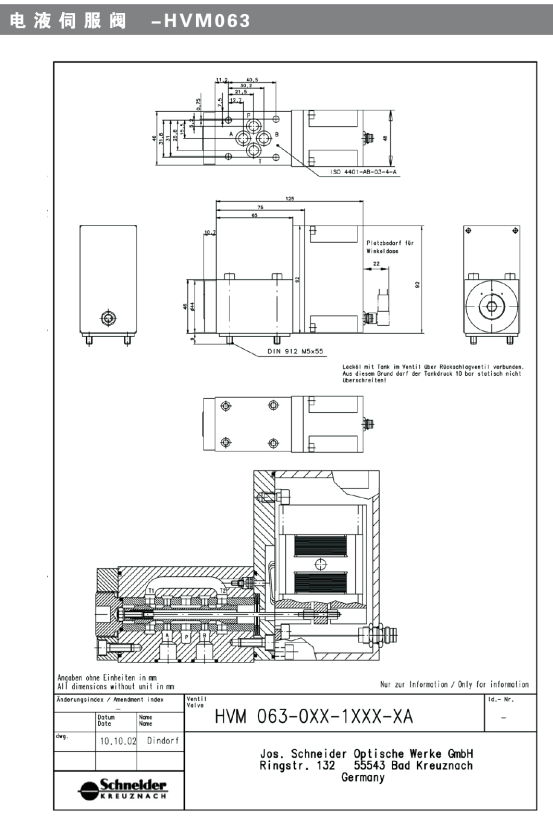 reliability control effect. In the future, with the development of artificial intelligence and edge computing technology, the application of DSP in servo control field will be more intelligent and efficient.