Selection strategy for mechanical valves in corrosive environments
In the industrial field, mechanical valves are widely used in various corrosive environments, such as chemical industry, petrochemical industry, papermaking, pharmaceutical industry, food industry, and so on. However, due to the particularity of these environments, mechanical valves need to withstand higher corrosive pressure and corrosive medium during use. Therefore, selecting the correct type of mechanical valve is of great significance to ensure its long-term stable operation, extend its service life, and reduce maintenance costs.
1. Understand the characteristics of corrosive media
Firstly, it is necessary to understand parameters such as the corrosiveness, temperature, and pressure of the medium, as well as the physical properties of the medium such as viscosity and density, in order to choose appropriate materials and structures. For example, if the medium is a strong acid, strong alkali, salt, and other corrosive media, the selection of valve body and valve core materials needs to consider corrosion resistance; if the medium is high temperature and high pressure, the selection of valve body and valve core materials needs to consider high-temperature and high-pressure performance.
2. Choose appropriate materials
Valve body material: The selection of valve body material needs to consider parameters such as the corrosiveness of the medium, temperature, and pressure. Common valve body materials include carbon steel, stainless steel, and alloy steel. For media with strong corrosiveness, stainless steel or alloy steel are recommended due to their good corrosion resistance; for media with high temperature and high pressure, alloy steel is recommended due to its good high-temperature and high-pressure performance.
Valve core material: The selection of valve core material needs to consider parameters such as the corrosiveness of the medium, temperature, and pressure. Common valve core materials include copper alloys, hard alloys, and ceramics. For media with strong corrosiveness, copper alloys or hard alloys are recommended due to their good corrosion resistance; for media with high temperature and high pressure, ceramics are recommended due to their good high-temperature and high-pressure performance.
3. Choose an appropriate structure
Structure form: The structural form of the valve body needs to consider parameters such as the corrosiveness of the medium, temperature, and pressure. Common structural forms include straight-through, angle, and diaphragm. For media with strong corrosiveness, it is recommended to use straight-through or angle structures due to their good sealing performance; for media with high temperature and high pressure, diaphragm structures are recommended due to their good high-temperature and high-pressure performance.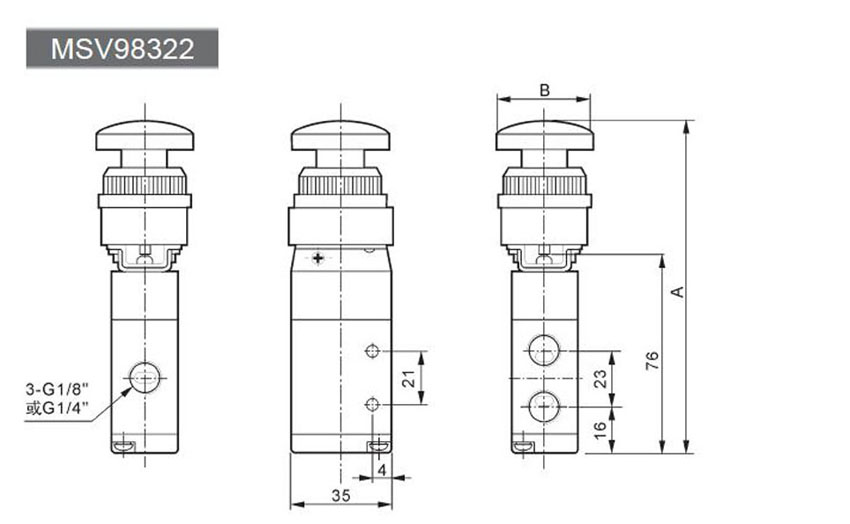
Sealing form: The sealing form needs to consider parameters such as the corrosiveness of the medium, temperature, and pressure. Common sealing forms include packing seal, mechanical seal, and bellows seal. For media with strong corrosiveness, it is recommended to use mechanical seals or bellows seals due to their good corrosion resistance; for media with high temperature and high pressure, mechanical seals are recommended due to their good high-temperature and high-pressure performance.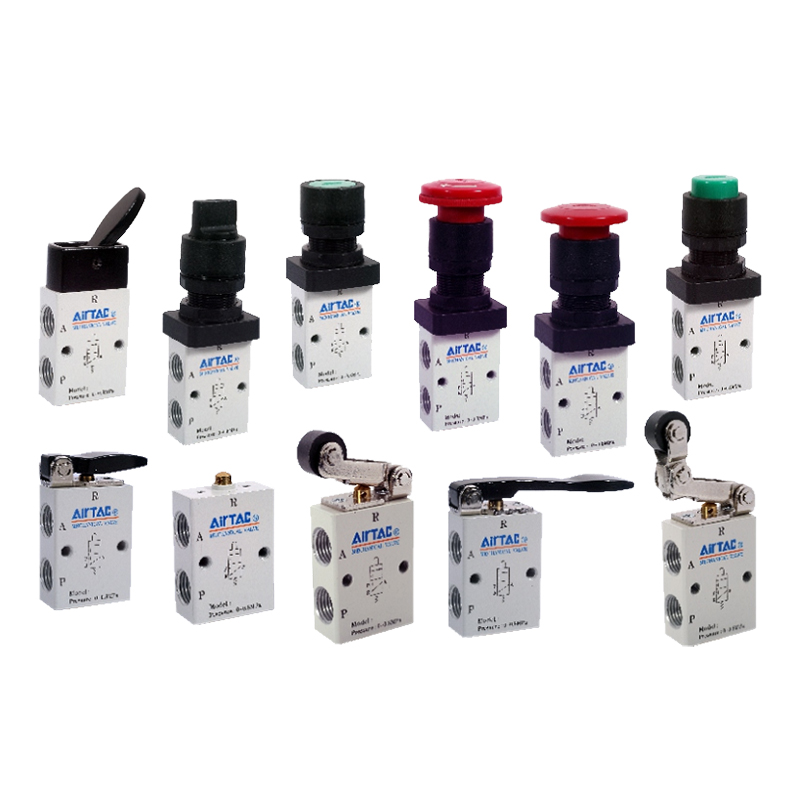
4. Consider installation and maintenance
Installation environment: The installation of mechanical valves in a corrosive environment needs to consider factors such as the temperature, humidity, and vibration of the environment. For media with strong corrosiveness, it is recommended to use dust-proof, moisture-proof, and vibration-proof installation environments to reduce the wear and corrosion of the mechanical valve.
Maintenance methods: The maintenance of mechanical valves in a corrosive environment needs to consider parameters such as the corrosiveness of the medium, temperature, and pressure. For media with strong corrosiveness, it is recommended to use regular inspections, regular replacement of seals, and regular cleaning as maintenance methods to reduce the wear and corrosion of the mechanical valve.
Summary
When selecting mechanical valves, it is necessary to comprehensively consider parameters such as the corrosiveness of the medium, temperature, and pressure, and choose appropriate materials, structures, and installation methods to ensure the stable operation of the mechanical valve in a corrosive environment and to extend its service life. At the same time, regular maintenance and inspections can help to detect and resolve problems with the mechanical valve in a timely manner, further improving its service life and operating efficiency.