Production process adjustment of mechanical valves under low-temperature conditions
Under low-temperature conditions, the operating environment of mechanical valves will face many challenges, such as sealing performance under low-temperature conditions, mechanical properties under low temperatures, and material properties under low temperatures, all of which may affect the performance and life of mechanical valves. Therefore, the production process adjustment of mechanical valves under low-temperature conditions has become the key to ensuring the performance stability and extending the service life of mechanical valves.
Firstly, material selection is the core of production process adjustment for mechanical valves under low-temperature conditions. Under low-temperature conditions, the physical and chemical properties of materials will change, and the toughness, hardness, and strength of materials will be affected. Therefore, it is crucial to select appropriate materials for low-temperature conditions. For example, the cold resistance of rubber materials will significantly decrease under low-temperature conditions, therefore, mechanical valves under low-temperature conditions should choose materials with better cold resistance, such as fluoro rubber, silicone rubber, etc.
Secondly, the adjustment of production processes is also critical. Under low-temperature conditions, the processing technology of mechanical valves also needs to be adjusted accordingly. For example, under low-temperature conditions, the thermal expansion and contraction of metal materials will be more pronounced, therefore, the manufacturing process of mechanical valves needs to take this into account to ensure the dimensional accuracy of mechanical valves. In addition, the welding process of mechanical valves also needs to be adjusted to prevent cold cracks and other issues during the welding process.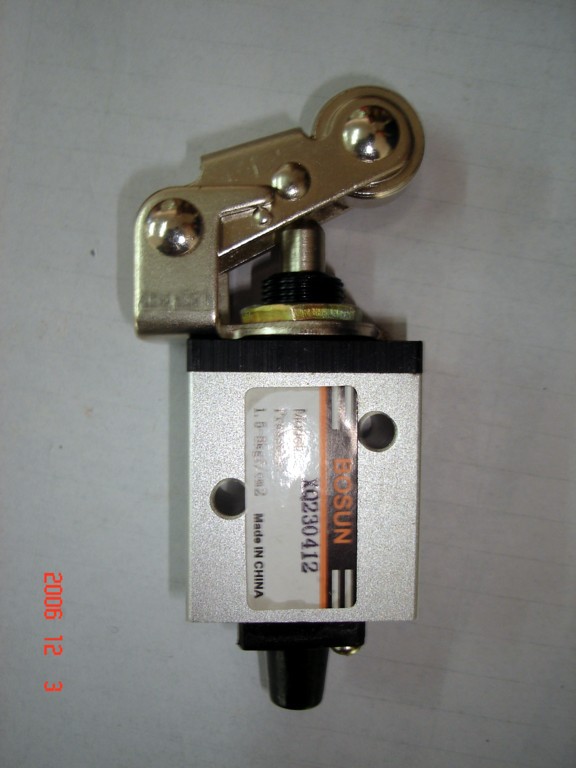
Again, the sealing design of mechanical valves also needs to consider the impact of low-temperature environments. Under low-temperature conditions, the performance of sealing materials will be significantly affected, therefore, the sealing design of mechanical valves needs to take this into account. For example, better low-temperature performance sealing materials can be used, or self-lubricating sealing materials can be adopted to improve the sealing performance of mechanical valves.
In addition, the heat treatment process of mechanical valves also needs to be adjusted accordingly. Under low-temperature conditions, the heat treatment process of metal materials needs to be adjusted to ensure the properties of the materials. For example, under low-temperature conditions, the quenching temperature of metal materials needs to be reduced to prevent a decline in material properties.
Finally, the testing and verification of mechanical valves under low-temperature conditions is also crucial. Under low-temperature conditions, the performance of mechanical valves will be significantly affected, therefore, mechanical valves need to undergo testing and verification under low-temperature conditions to ensure their performance stability under such conditions.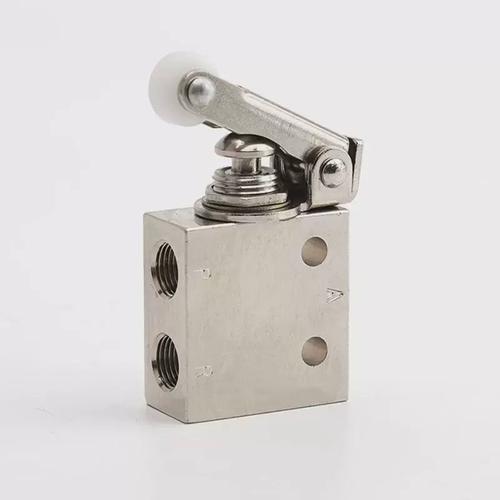
In summary, the production process adjustment of mechanical valves under low-temperature conditions is a systematic project, which requires consideration from multiple aspects such as material selection, adjustment of production processes, optimization of sealing design, adjustment of heat treatment processes, and testing and verification under low-temperature environments. Only in this way can the performance stability and service life extension of mechanical valves under low-temperature conditions be guaranteed.