Principles of Flow Matching in Mechanical Valves and Pipeline Systems
In the field of modern industrial production and life, pipeline systems, as important channels for conveying mediums, are crucial for their stable, efficient, and safe operation. As a key component of the pipeline system, the performance of mechanical valves directly affects the operating efficiency and safety of the entire system. This article will discuss the principles of flow matching in mechanical valves and pipeline systems to provide a reference for the design and maintenance of pipeline systems.
I. Overview of Flow Matching Principles
The principles of flow matching refer to ensuring the matching between mechanical valves and pipeline systems in the design and operation process of the pipeline system to achieve the best flow distribution, pressure control, overload prevention, and safe operation. This principle involves multiple factors, including the type of mechanical valve, design parameters of the pipeline system, medium properties, and working environment. Reasonable principles of flow matching can not only improve the operating efficiency of the pipeline system but also extend the service life of equipment, reduce failure rates, and improve system reliability.
II. Types of Mechanical Valves and Flow Matching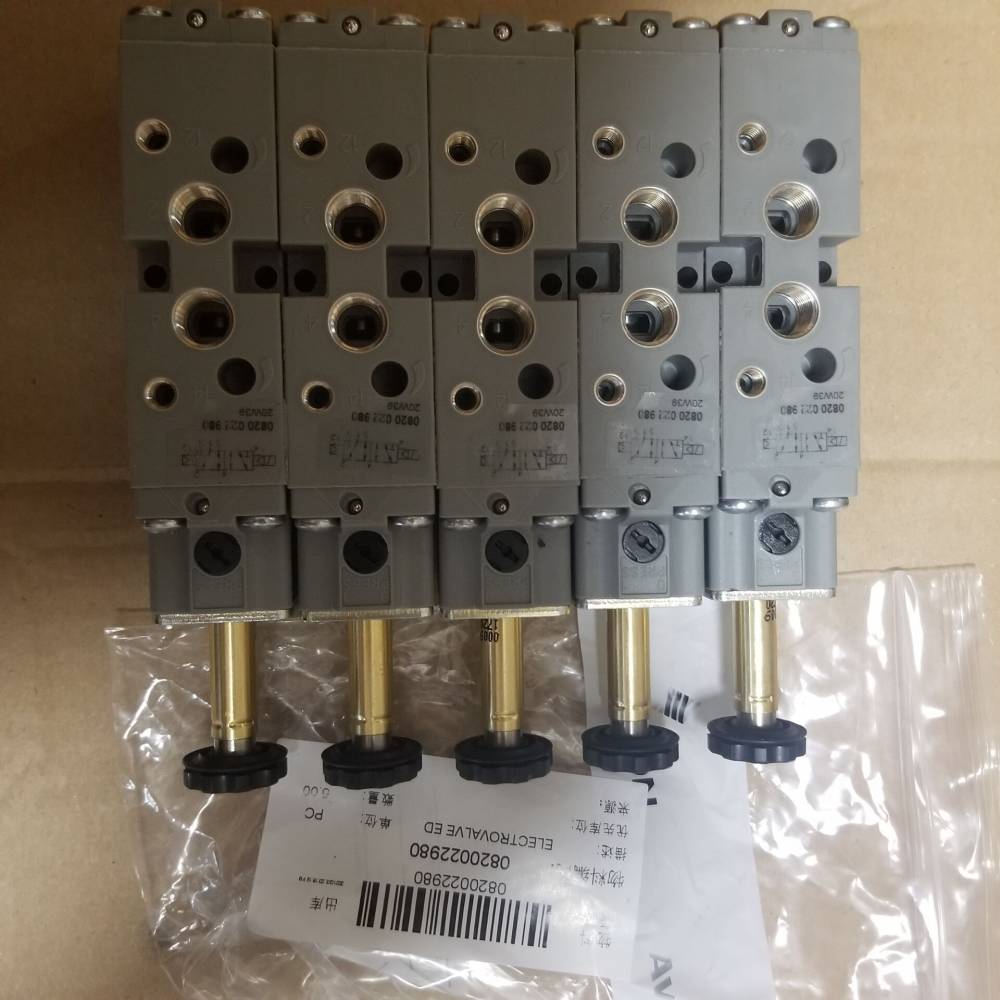
Mechanical valves can be divided into various types according to their working principle and structural form, such as gate valves, globe valves, ball valves, butterfly valves, and plug valves. Each type of mechanical valve has its applicable flow range and working conditions. When selecting mechanical valves, comprehensive considerations need to be given to factors such as working pressure, temperature, medium properties, and flow requirements of the pipeline system to ensure that the mechanical valve can meet the flow matching requirements of the pipeline system.
III. Pipeline System Design and Flow Matching
The flow matching of the pipeline system involves multiple design parameters, including pipeline diameter, length, number of bends, valve position, etc. The design of the pipeline system needs to fully consider the physical properties of the medium, such as viscosity, density, temperature changes, etc., to ensure that the pipeline system can meet the flow requirements. In addition, issues such as pressure loss, vibration, and noise of the pipeline system need to be considered to ensure the stable operation of the pipeline system.
IV. Specific Applications of Flow Matching Principles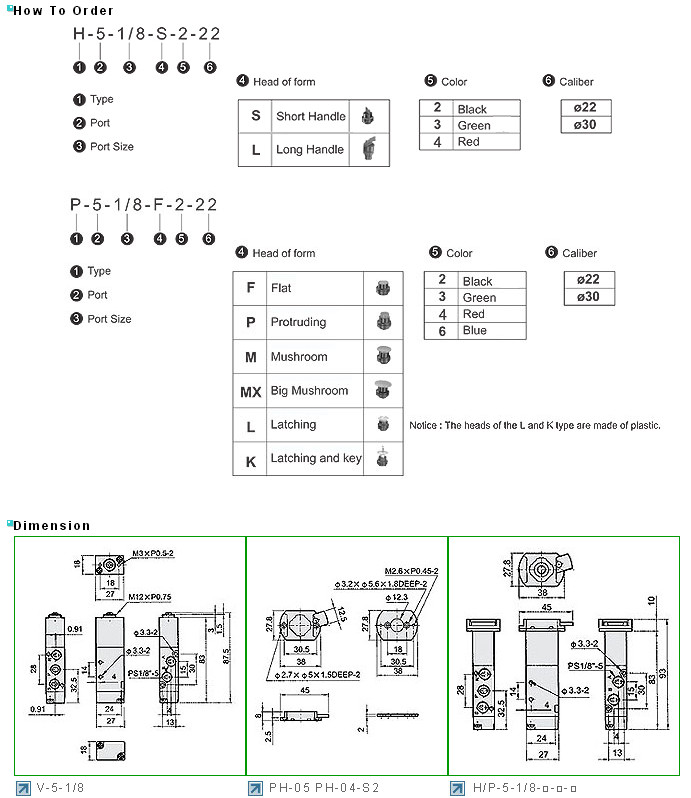
In practical applications, the principles of flow matching need to be flexibly applied in combination with specific situations. For example, in situations where frequent opening and closing is required, valves with shorter opening and closing times can be selected to reduce the resistance loss of medium flow; in situations with large fluctuations in flow, valves with a wider range of adjustment can be selected to meet the demand for flow changes; in situations where precise flow control is required, valves with high-precision adjustment functions can be selected to meet the demand for flow control.
V. Summary
The principles of flow matching in mechanical valves and pipeline systems are the key to ensuring the stable, efficient, and safe operation of the pipeline system. In practical applications, comprehensive consideration needs to be given to specific situations, and the principles of flow matching should be flexibly applied to achieve the best flow distribution, pressure control, overload prevention, and safe operation. At the same time, it is also necessary to continuously optimize and improve the design of the pipeline system to improve its operating efficiency and reliability to meet the needs of modern industrial production and life.
This is a discussion on the principles of flow matching in mechanical valves and pipeline systems, hoping it will be helpful to you.