Assessment Methods and Standards for Mechanical Valve Operation Training
In industrial production, valves are indispensable important equipment, and their role in fluid control and system protection is crucial. Therefore, mastering the operation skills of mechanical valves is crucial for operators. The assessment of mechanical valve operation training for operators is an important means to ensure that they have the relevant skills. This article will discuss the assessment methods and standards for mechanical valve operation training.
Firstly, assessment methods
Theoretical knowledge assessment: This is an assessment of the trainee’s mastery of the basic principles, working principles, structural characteristics, and usage methods of mechanical valves. The assessment methods can be closed-book exams, open-book exams, or oral exams to test the trainee’s mastery of theoretical knowledge.
Practical operation assessment: This is an assessment of the trainee’s practical operation ability. The assessment includes but is not limited to: installation, disassembly, maintenance, inspection, and fault elimination of mechanical valves. The assessment method can be on-site operation, simulation operation, or actual operation. During the assessment process, some simulated fault scenarios can be set up to test the trainee’s ability to deal with practical problems.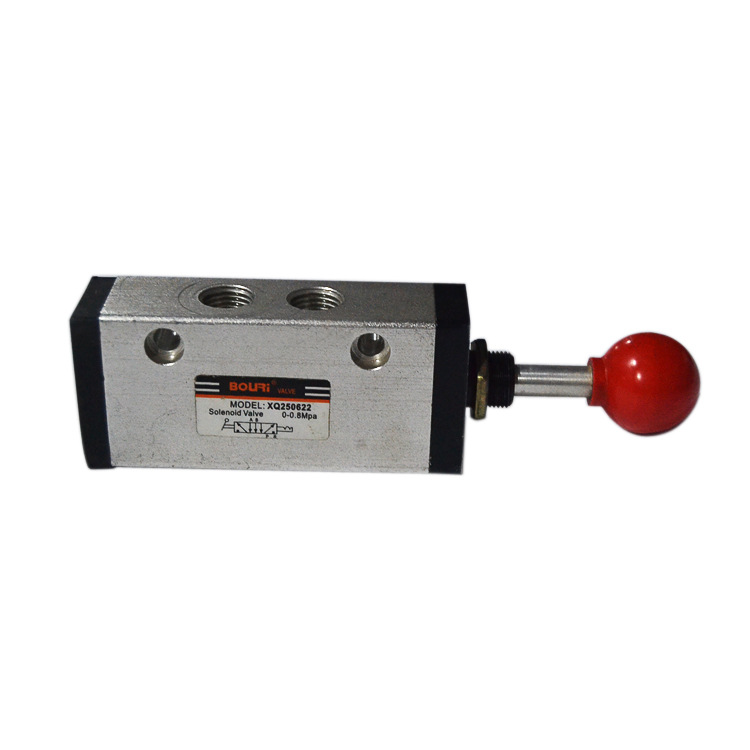
Written report: The trainee needs to submit an operation report, which should detail the problems encountered, solutions, and operation experience during the training process. Through this report, the trainee’s thinking process, problem-solving ability, and expression in practical operations can be evaluated.
Operation demonstration: The trainee needs to perform an operation demonstration to show their operational skills and proficiency in handling mechanical valves. The operation demonstration can be a simulation or actual operation. During the assessment process, some simulated fault scenarios can be set up to test the trainee’s ability to deal with practical problems.
Secondly, assessment criteria
Theoretical knowledge assessment criteria: Assess the trainee’s mastery of the basic principles, working principles, structural characteristics, and usage methods of mechanical valves. The assessment criteria can include: the accuracy and completeness of theoretical knowledge, the understanding of theoretical knowledge, and the trainee’s ability to apply theoretical knowledge.
Practical operation assessment criteria: Assess the trainee’s practical operation ability in handling mechanical valves. The assessment criteria can include: the accuracy and safety of operations, the level of proficiency, and the trainee’s ability to deal with problems encountered during the operation process.
Written report assessment criteria: Assess the trainee’s thinking process, problem-solving ability, and expression in handling mechanical valve operations. The assessment criteria can include: the completeness and accuracy of the report, the detailed description of the operation process in the report, and the summary of the operation experience.
Operation demonstration assessment criteria: Assess the trainee’s operational skills and proficiency in handling mechanical valves. The assessment criteria can include: the accuracy and safety of operations, the level of proficiency, and the trainee’s ability to deal with problems encountered during the operation process.
In summary, the assessment methods and standards for the operation training of mechanical valves need to consider all aspects such as theoretical knowledge, practical operation ability, thinking process, problem-solving ability, and expression, in order to ensure that trainees have comprehensive mechanical valve operation skills.