The content of the casting surface treatment process steps of the mechanical valve
The mechanical valve is an important component widely used in industrial production, and its performance directly affects the efficiency and safety of the production process. As an important part of the mechanical valve, the quality of the casting surface treatment process directly relates to the service life and performance of the mechanical valve. Therefore, this paper will discuss in detail the steps of the casting surface treatment process of the mechanical valve.
I. Surface cleaning
In the first step of the surface treatment process of mechanical valve castings, a thorough surface cleaning of the casting is required. The purpose of this step is to remove oil, dust, impurities, etc., from the surface of the casting to prepare for subsequent treatment steps. Usually, surface cleaning methods include mechanical cleaning and chemical cleaning. Mechanical cleaning is to remove dirt from the surface of the casting through brushes, sandpaper, and other tools, while chemical cleaning uses chemicals to remove oil and impurities from the surface of the casting. The cleaning process should ensure that the casting surface is clean and free of contamination to facilitate the smooth progress of subsequent treatment steps.
II. Surface pretreatment
After surface cleaning, surface pretreatment is required. Surface pretreatment includes surface cleaning and surface activation. Surface cleaning is to remove residual chemicals on the casting surface to ensure that the casting surface is clean and free of residues. Surface activation is to form an active surface on the casting surface through chemical treatment to provide good adhesion for subsequent treatment steps. The purpose of surface pretreatment is to provide a good base for subsequent treatment steps to ensure the treatment effect.
III. Surface treatment
Surface treatment is the core step of the casting surface treatment process. Common surface treatment methods include surface coating treatment, surface painting treatment, and surface chemical treatment, etc. Surface coating treatment refers to forming a protective layer on the surface of the casting through electroplating, hot dipping, and other methods to improve the wear resistance, corrosion resistance, and heat resistance of the casting. Surface painting treatment refers to forming a protective layer on the surface of the casting through spraying, dipping, and other methods to improve the aesthetics and wear resistance of the casting. Surface chemical treatment refers to forming a protective layer on the surface of the casting through chemical reactions to improve the corrosion resistance and wear resistance of the casting. The purpose of surface treatment is to improve the surface performance of the casting and extend its service life.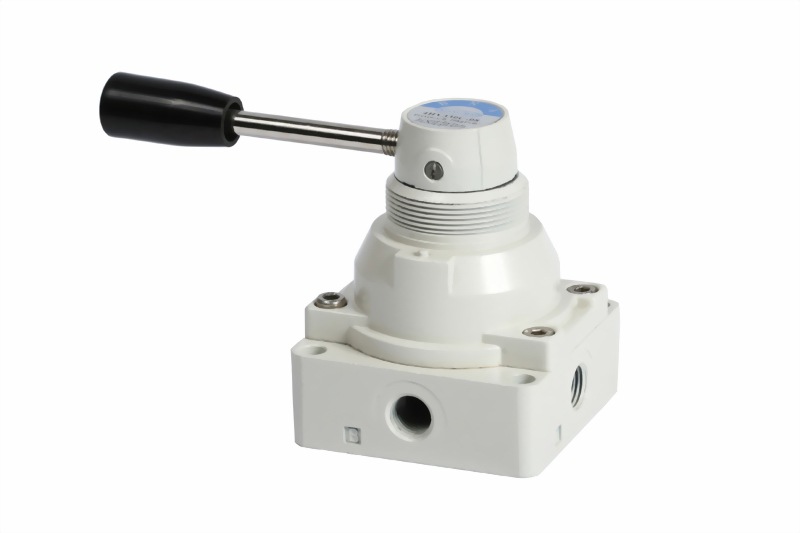
IV. Inspection after surface treatment
After completing the surface treatment steps, the casting needs to be inspected after surface treatment to ensure that the treatment effect meets expectations. The inspection includes the thickness, adhesion, hardness, corrosion resistance, etc., of the surface treatment layer. The inspection methods usually include microscopic observation, hardness testing, corrosion testing, etc. The inspection results should meet relevant standards and requirements to ensure that the surface treatment effect of the casting is good.
V. Maintenance of the surface treatment layer after treatment
After the surface treatment, the surface treatment layer of the casting needs appropriate maintenance to ensure its stable performance. The maintenance includes regular inspections, cleaning, and painting. Regular inspections can help detect defects in the surface treatment layer in a timely manner and facilitate timely repairs. Cleaning can remove dust and impurities on the surface treatment layer, keeping it clean. Painting can prevent the surface treatment layer from being affected by the external environment, extending its service life.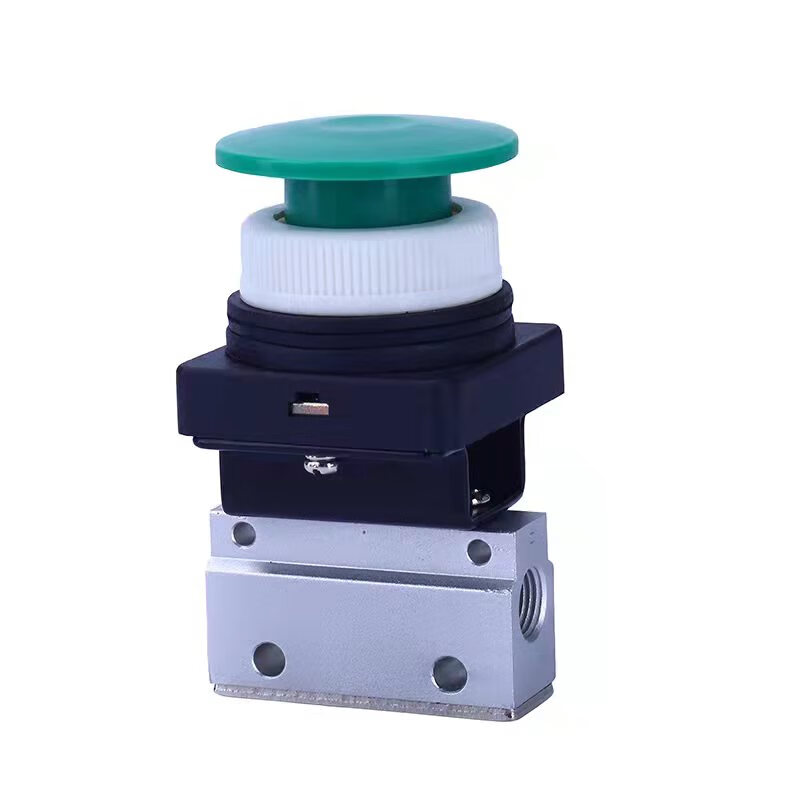 @@@@@@@@@@@@@@@@@@@@@@
The surface treatment process of mechanical valve castings includes surface cleaning, surface pretreatment, surface treatment, inspection after surface treatment, and maintenance of the surface treatment layer after treatment. These steps can improve the performance of the casting surface, extend its service life, and enhance the performance and reliability of the mechanical valve.