In hydraulic system, flow is a key parameter, which directly affects the speed, power and efficiency of the system. Accurate measurement of hydraulic flow is of great significance for equipment operation state evaluation, fault diagnosis and system optimization. This paper will introduce the testing principle, common methods and matters needing attention in the testing process of hydraulic flow.
First, the basic concept of hydraulic flow
Hydraulic flow refers to the volume of liquid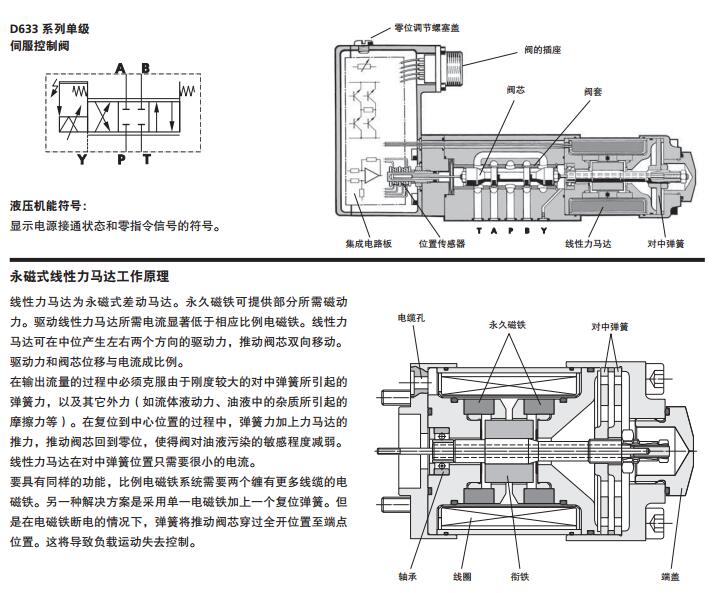 passing through the pipeline or hydraulic components in unit time, usually in liters per minute (L/min). In the hydraulic system, the flow rate is provided by the hydraulic pump, and its size determines the movement speed of the actuator (such as hydraulic cylinder or hydraulic motor). Therefore, it is very important to accurately measure the flow of hydraulic system to ensure the normal operation of the system.
Second, the measurement method of hydraulic flow
1. Volumetric method
Volumetric method is a basic and intuitive flow measurement method, which calculates the flow by measuring the volume of oil flowing into the container in a certain period of time. The specific operation is to guide the oil circuit of the hydraulic system to a container with a known volume, use a stopwatch to record the time required for the oil to fill the volume,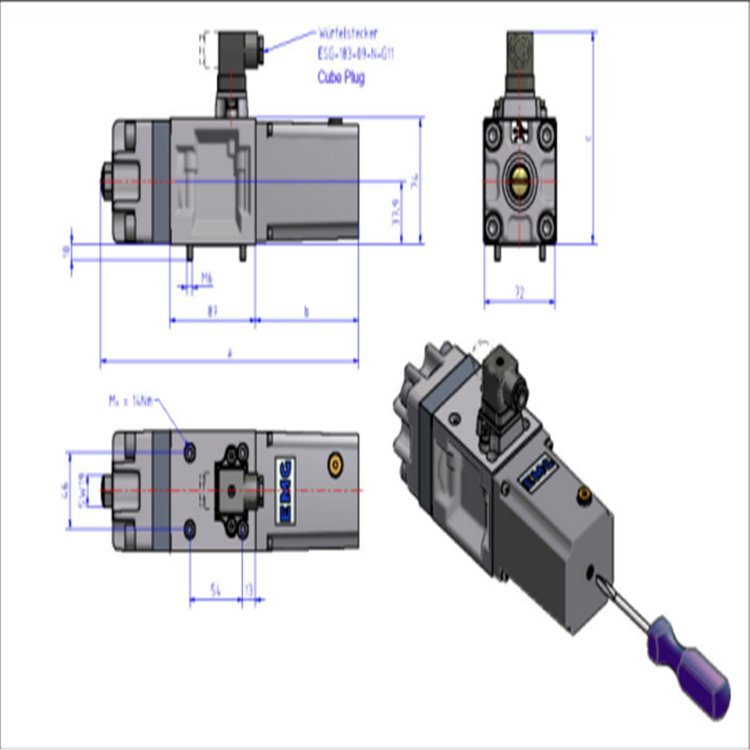 and then calculate the flow value through the formula: flow = volume/time. This method is suitable for laboratory environment, but it is not suitable for on-site rapid measurement.
2. Flowmeter measurement method
This is the most commonly used hydraulic flow measurement method at present. There are many kinds of flow meters, such as gear type, turbine type, ultrasonic type and electromagnetic type. Among them, gear flowmeter and turbine flowmeter are widely used in hydraulic system, and they can convert the liquid flow through by measuring the rotation times of gear or turbine. Modern flowmeters are usually equipped with digital display and data output functions, which are convenient for real-time monitoring and recording.
3. Differential pressure method
Differential pressure method is to set throttling devices (such as orifice plates and nozzles) in the pipeline, measure the pressure difference before and after throttling, and then calculate the flow according to Bernoulli equation. This method is suitable for the measurement of steady flow, but it has certain requirements for installation conditions and fluid state.
Iii. Matters needing attention in the testing process
1. System pressure and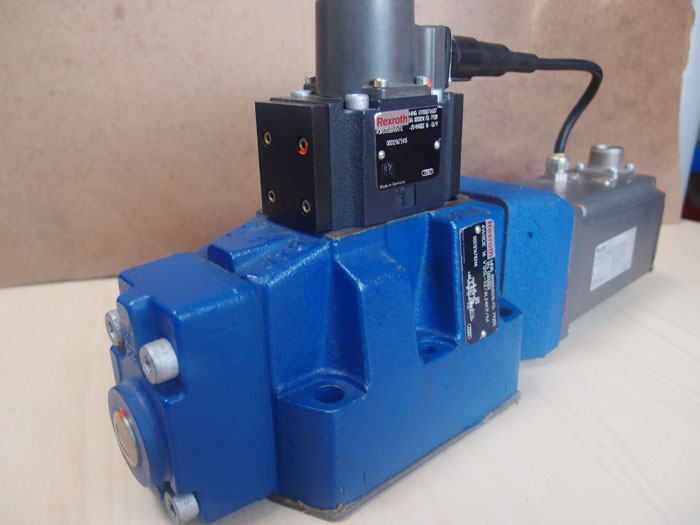 temperature control
The viscosity of hydraulic oil is greatly influenced by temperature, so the system temperature should be kept stable during the test and temperature compensation should be carried out when necessary.
2. Installation location selection
The flowmeter should be installed on the straight pipe section to avoid the influence of elbow, valve and other disturbing elements to ensure the measurement accuracy.
3. Calibration of flowmeter
In order to ensure the accuracy of the measurement results, the flowmeter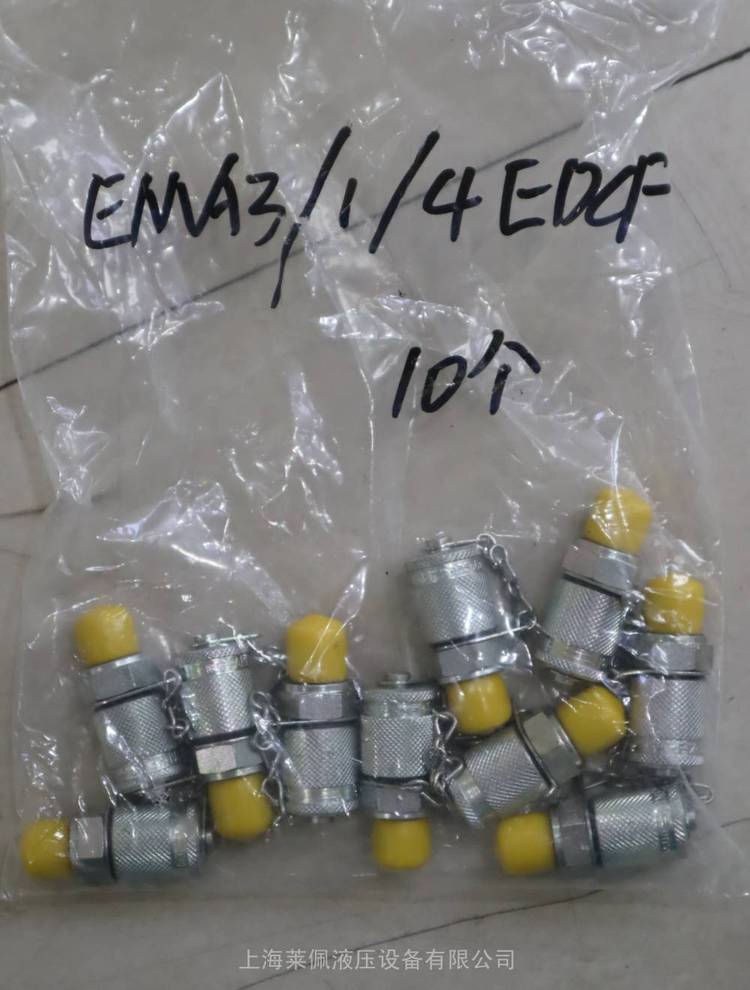 should be calibrated regularly and the model matching the flow range of the system should be selected.
4. System cleanliness requirements
Impurities in hydraulic oil may affect the accuracy of the flowmeter or even cause damage, so the system should be thoroughly cleaned before testing and the oil should be clean.
IV. Conclusion
The test of hydraulic flow is an important link in the maintenance and management of hydraulic system. With the development of technology, a variety of high-precision and intelligent flow measurement devices are constantly emerging, which provides a strong guarantee for the operation monitoring of hydraulic system. In actual operation, it is the key to obtain accurate flow data to choose a reasonable test method, pay attention to test conditions and equipment maintenance. Only by mastering the correct testing method can we ensure the safe and efficient operation of the hydraulic system.