Mechanical valve ball valve valve body and ball gap detection methods
As a widely used valve, the performance of ball valves directly affects the working efficiency and safety of the entire system. The core components of ball valves are the ball and the valve body, and the gap between them directly affects the smooth opening and closing of the ball and the sealing performance of the valve. Therefore, it is crucial to detect the gap between the valve body and the ball of ball valves. The following will introduce several commonly used detection methods.
1. Visual Detection Method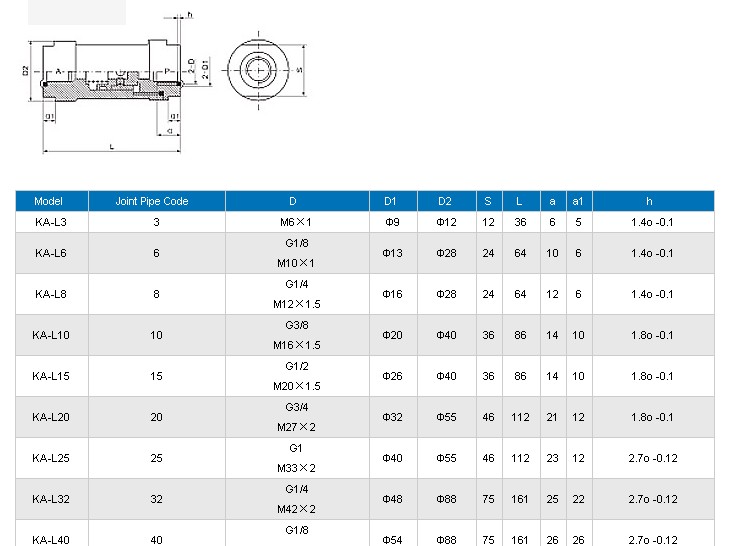
Visual detection is the most basic detection method, suitable for preliminary inspection of ball valves. By observing the gap between the valve body and the ball with the naked eye, judge whether there is any abnormality. This method is simple and easy to operate, but requires higher professional knowledge and experience of the inspectors, and is easily affected by human factors. Therefore, in practical applications, this method is often used as an auxiliary method for other detection methods.
2. Ruler Detection Method
Ruler detection is a method that uses a ruler to measure the gap between the valve body and the ball. This method is simple and easy to operate, suitable for on-site detection. First, place the ruler between the valve body and the ball, and measure the maximum distance between the ball and the valve body through the ruler, which is used as the gap measurement value. This method has high precision, but is limited by the length of the ruler and cannot measure very small gaps.
3. Micrometer Detection Method
Micrometer detection is a method that uses a micrometer to measure the gap between the valve body and the ball. This method has high precision and is suitable for situations that require precise measurement of gaps. First, place the micrometer between the valve body and the ball, and measure the maximum distance between the ball and the valve body through the micrometer, which is used as the gap measurement value. This method is relatively complex and requires certain professional knowledge and skills.
4. Ultrasonic Detection Method
Ultrasonic detection is a method that uses an ultrasonic probe to measure the gap between the valve body and the ball. This method has high precision and is suitable for non-contact detection. First, place the ultrasonic probe between the valve body and the ball, and measure the maximum distance between the ball and the valve body through the ultrasonic probe, which is used as the gap measurement value. This method is relatively complex, requires certain professional knowledge and skills, and is greatly affected by environmental factors.
5. Laser Detection Method
Laser detection is a method that uses a laser rangefinder to measure the gap between the valve body and the ball. This method has high precision and is suitable for non-contact detection. First, place the laser rangefinder between the valve body and the ball, and measure the maximum distance between the ball and the valve body through the laser rangefinder, which is used as the gap measurement value. This method is relatively complex, requires certain professional knowledge and skills, and is greatly affected by environmental factors.
In practical applications, the appropriate detection method should be selected according to the specific situation. For situations that require precise measurement of gaps, it is recommended to prioritize the use of micrometer detection or ultrasonic detection methods. For non-contact detection, it is recommended to prioritize the use of laser detection. For rapid detection, it is recommended to prioritize the use of visual detection or ruler detection. At the same time, regular detection of ball valves should be carried out to ensure their stable and reliable performance.