As the core equipment in modern plastic processing industry, the performance of injection molding machine directly affects the quality and production efficiency of products. Servo valve plays an important role in the hydraulic system of injection molding machine. Through high-precision flow and pressure control, it can accurately adjust the injection speed, holding pressure, mold opening and closing action and other key parameters. This paper will discuss the working principle of servo valve in injection molding machine and the basic mode of its control system.
First, the basic principle of servo valve
Servo valve is a kind of hydraulic control element with high precision and quick response, which is mainly composed of electromagnetic part and hydraulic amplification part. Its working principle is: according to the electric signal sent by the control system, the electromagnetic part generates a corresponding magnetic field to drive the internal valve core to move, thus changing the flow and direction of hydraulic oil, and then controlling the action of the actuator (such as hydraulic cylinder or hydraulic motor). Servo valve is characterized by high control precision, fast dynamic response and good repeatability, and can realize accurate control of pressure and speed in injection molding process.
Second, the control function of servo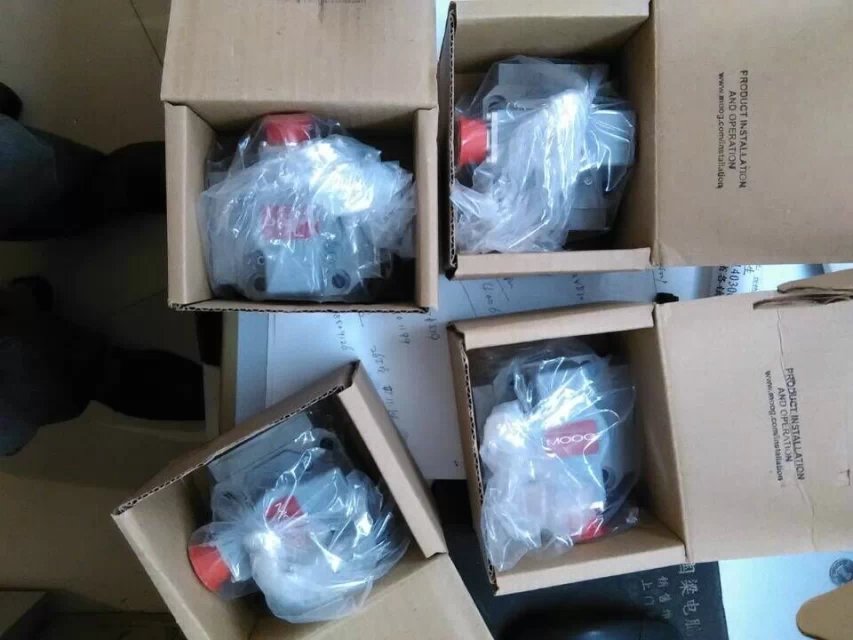 valve in injection molding machine
In the injection molding machine, the servo valve is mainly used for the following aspects of control:
1. Injection speed control
Injection speed directly affects the molding quality of products, especially in the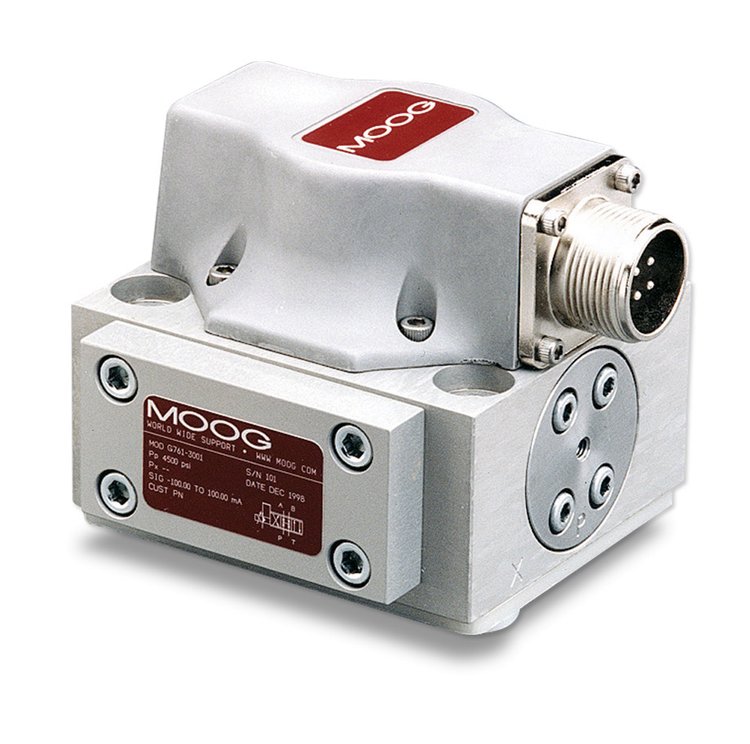 production of thin-walled products or high-precision products. Multi-stage speed control can be realized by servo valve, such as slow mold filling, medium speed compaction, rapid filling,
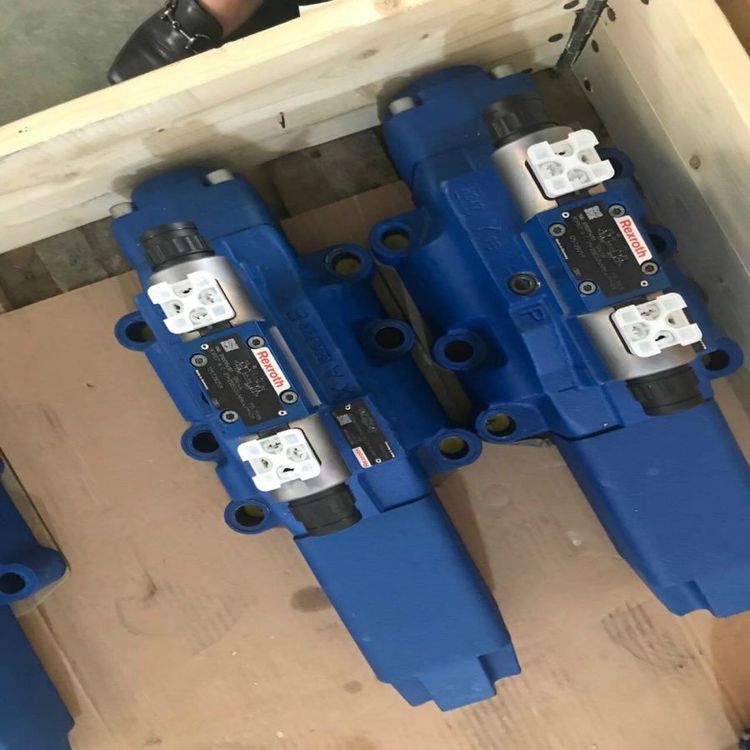 etc., to meet the needs of different process stages.
2. Holding pressure control
After the injection is completed, the melt in the mold needs some time to maintain the pressure to compensate for the material shrinkage. The servo valve can accurately adjust the holding pressure according to the set value and keep it stable, thus improving the dimensional accuracy and surface quality of the product.
3. Mold clamping and mold opening control
The pressure and speed control of the clamping system also depends on the servo valve to ensure that the mold has enough clamping force when it is closed, and at the same time avoid impact and improve the stability and safety of the equipment.
Third, the control mode of servo valve
Servo valves are usually controlled by PLC (programmable logic controller) or special numerical control system of injection molding machine. The control process generally includes the following steps:
1. Signal input
The operator sets the process parameters through the man-machine interface, such as injection speed, holding pressure and holding time, and the system converts these parameters into corresponding electrical signals and sends them to the servo valve.
2. Servo valve response
The servo valve adjusts the position of the valve core according to the input signal, controls the pressure and flow of hydraulic oil, and drives the hydraulic cylinder to complete the corresponding action.
3. Feedback closed-loop control
The system is equipped with pressure sensor and position sensor to detect the state of the actuator in real time, compare the feedback signal with the set value, correct the error, form a closed-loop control, and ensure the control accuracy.
Fourth, the advantages of servo valve control
The injection molding machine controlled by servo valve has the following obvious advantages:
-Energy saving and high efficiency: Compared with traditional proportional valve or on-off valve, servo valve has faster response, less energy loss and higher system efficiency.
-High accuracy: Closed-loop feedback control can achieve control accuracy within 1%, meeting the requirements of precision injection molding.
-strong adaptability: the control parameters can be flexibly adjusted according to different product requirements, which is suitable for multi-variety and small batch production.
-Extend the service life of equipment: Smooth hydraulic control reduces mechanical impact and improves the stability and service life of equipment.
V. Conclusion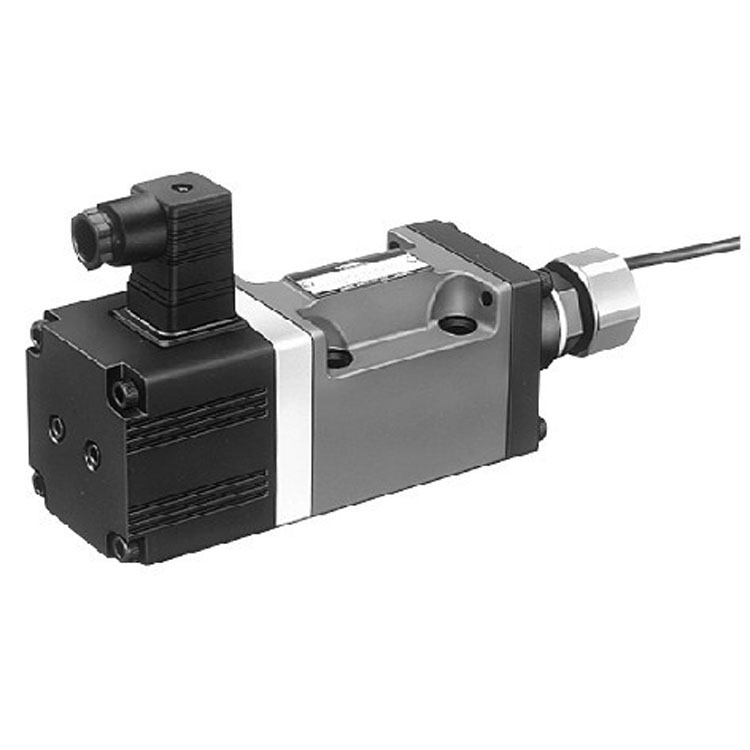
With the development of injection molding industry towards high precision, high efficiency and energy saving, servo valve, as the core component of hydraulic control system, has become increasingly important. Reasonable configuration and use of servo valves can not only improve the quality of injection molding products, but also significantly improve production efficiency. In the future, with the development of digital control technology and intelligent manufacturing, servo valves will play a more critical role in the automatic control of injection molding machines.