《Mechanical Valve Electric Actuator Overload Protection Setting Adjustment》
In the field of industrial automation, mechanical valve electric actuators play an indispensable role. They ensure the safety and stability of the production process by precisely controlling the opening of the valve. However, due to the complexity and unpredictability of the operating environment, actuators may encounter overload conditions, which not only affect the service life of the actuator but may also cause damage to the system. Therefore, it is crucial to correctly set and adjust the overload protection.
1. Overview of overload protection
Overload protection refers to the ability of the electric actuator to automatically stop or reduce the load when it encounters a load exceeding its rated load during operation, preventing damage to the actuator or system. Usually, the overload protection mechanism includes overload current protection and overload torque protection in two ways.
2. The importance of overload protection setting
The accuracy of the overload protection setting is directly related to the service life of the equipment and the stability of the system. Overload protection that is too tight can cause the actuator to frequently trigger protection during normal operation, increasing maintenance costs; while too loose overload protection settings can lead to the actuator not being able to effectively protect against overload, increasing the risk of equipment damage. Therefore, the rationality of the overload protection setting directly affects the reliability and stability of the equipment.
3. Methods for adjusting the overload protection setting
Understand the rated load of the actuator: Firstly, it is necessary to understand the rated load of the actuator, which is the basis for setting the overload protection value. The rated load is usually clearly marked on the instruction manual or label of the actuator.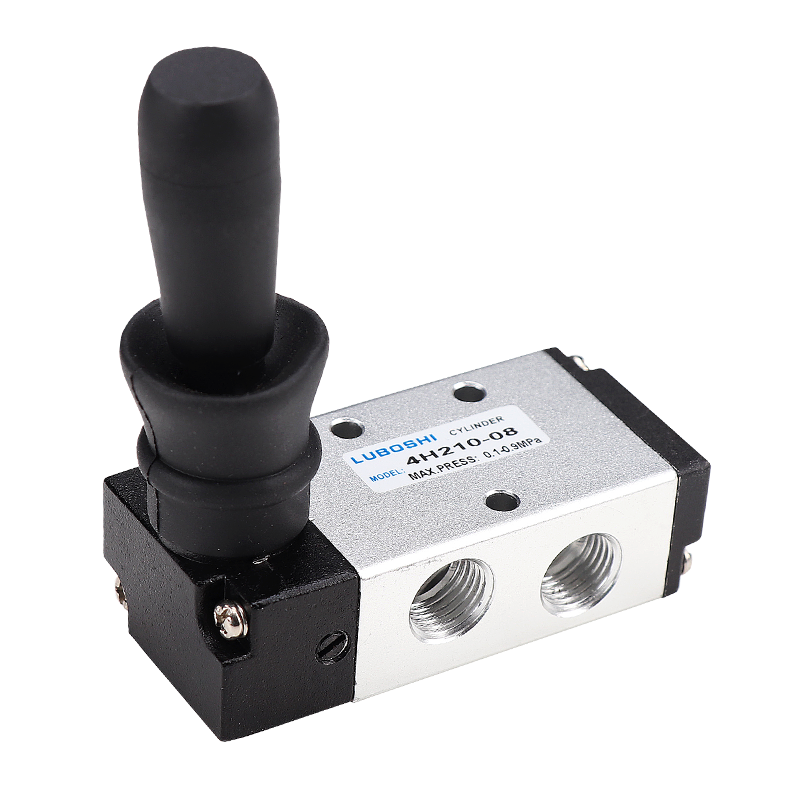
Select an appropriate overload protection value: The selection of the overload protection value needs to be determined based on the rated load of the actuator and the actual working environment. Generally, the overload protection value should be between 120% and 150% of the rated load. For example, if the rated load of the actuator is 1000N, the overload protection value can be set between 1200N and 1500N.
Adjust the overload protection setting of the actuator: Find the overload protection setting option in the actuator’s settings menu, enter the set overload protection value, and then save the settings. The specific operation steps may vary depending on the brand and model of the actuator, and the user manual of the actuator should be referred to for operation.
Check the overload protection function: After adjusting the overload protection setting, the actuator needs to be tested to ensure that the overload protection function works normally. Tests can be conducted using simulated loads or heavy objects to observe whether the actuator can stop or reduce the load at the set overload protection value.
4. Matters to be noted in adjusting the overload protection setting
When adjusting the overload protection setting, it should be ensured that the actuator is in a safe state to avoid adjustments during operation.
After adjusting the overload protection setting, the actuator needs to be retested to ensure its normal operation.
Regularly check and adjust the overload protection setting to adapt to the working environment and load changes of the actuator.
In summary, the rationality of the overload protection setting is directly related to the service life of the actuator and the stability of the system. By understanding the rated load of the actuator, selecting an appropriate overload protection value, adjusting the overload protection setting of the actuator, and paying attention to safety matters during the adjustment process, we can ensure that the actuator plays its due role in actual operation.