Structural Design and Working Principle of Check Valves for Automatic Prevention of Medium Backflow @@@@@@@@@@@@@@@@@@@@@@
Check valves are an important fluid control equipment, mainly used to prevent the reverse flow of fluid in pipelines. In industrial production, water supply systems, ship propulsion systems, medical equipment, and other fields, the application of check valves is extremely extensive. This article will delve into the structural design and working principle of check valves to provide a reference for research and application in related fields.
Structural design
The structural design of check valves mainly includes the following parts: valve body, valve disc, valve stem, valve cover, and sealing ring, etc. These components work together to ensure that the check valve can effectively prevent the backflow of the medium.
Valve body: As the main body of the check valve, the design of the valve body needs to consider the flow capacity and sealing of the fluid. The material of the valve body is usually carbon steel, stainless steel, etc., to ensure good corrosion resistance and strength.
Valve disc: The valve disc is a key component of the check valve, and its design directly affects the performance of the check valve. The valve disc is usually designed in a spherical or conical shape, which can rotate flexibly. The opening and closing of the valve disc are realized through the valve stem to ensure rapid action under the action of the medium pressure.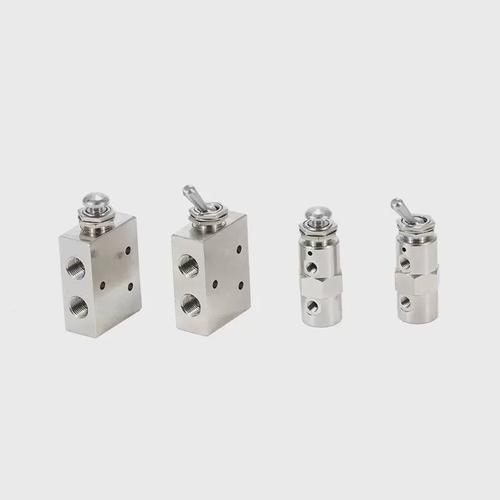
Valve stem: The valve stem is the part that connects the valve disc and the valve cover, and it drives the opening or closing of the valve disc through rotation. The design of the valve stem needs to consider strength and flexibility to ensure normal operation under various working conditions.
Valve cover: The valve cover is used to protect the internal components and ensure the sealing of the valve body. The design of the valve cover should consider the fit with the valve body to ensure that it does not affect the performance of the check valve during installation.
Sealing ring: The sealing ring is located between the valve disc and the valve body, and its design needs to have good sealing performance and durability. Common sealing ring materials include rubber, polytetrafluoroethylene, etc., which can effectively prevent the leakage of the medium.
Working principle
The working principle of check valves mainly depends on the flow direction of the fluid and pressure changes. When the fluid flows from one end of the valve body to the other, the valve disc will automatically open, allowing the fluid to pass smoothly. When the flow direction changes, that is, the medium flows from the other end of the valve body to the original direction, the valve disc will close rapidly under the action of the medium pressure, thus preventing the backflow of the medium. This process depends on the sealing performance of the valve disc and the transmission mechanism of the valve stem.
In practical applications, check valves can be selected with different structural designs according to different application scenarios, such as straight-through, angle, and lift-type. Straight-through check valves are suitable for pipelines with large diameters and clear flow directions; angle check valves are suitable for pipelines with small diameters and unclear flow directions; lift-type check valves are suitable for frequent opening and closing and high media pressure conditions.
The design and application of check valves are of great significance in ensuring the safety and reliability of fluid systems. Through reasonable structural design and the application of working principles, check valves can effectively prevent the backflow of media, protect equipment from damage, and provide stable and reliable guarantees for industrial production.