What is the basis for the selection of springs for mechanical valves?
In the field of mechanical valves, the selection of springs has a crucial impact on the performance, safety, and service life of the valves. There are many types of springs, each of which may affect the use effect of the mechanical valve from material, structure, size to functional characteristics. Therefore, the correct selection of springs is crucial for ensuring the normal operation and extending the service life of the mechanical valve.
I. Types and characteristics of springs
Springs are an indispensable component of mechanical valves, and their main function is to provide the force required to open and close the valve. There are many types of springs, which can be mainly divided into the following categories:
Compression spring: This type of spring generates force when compressed, commonly used in the regulating mechanism of mechanical valves to provide the necessary force to open or close the valve.
Tension spring: Tension springs generate force when stretched, commonly used in the actuating mechanism of mechanical valves to provide the force required to open or close the valve.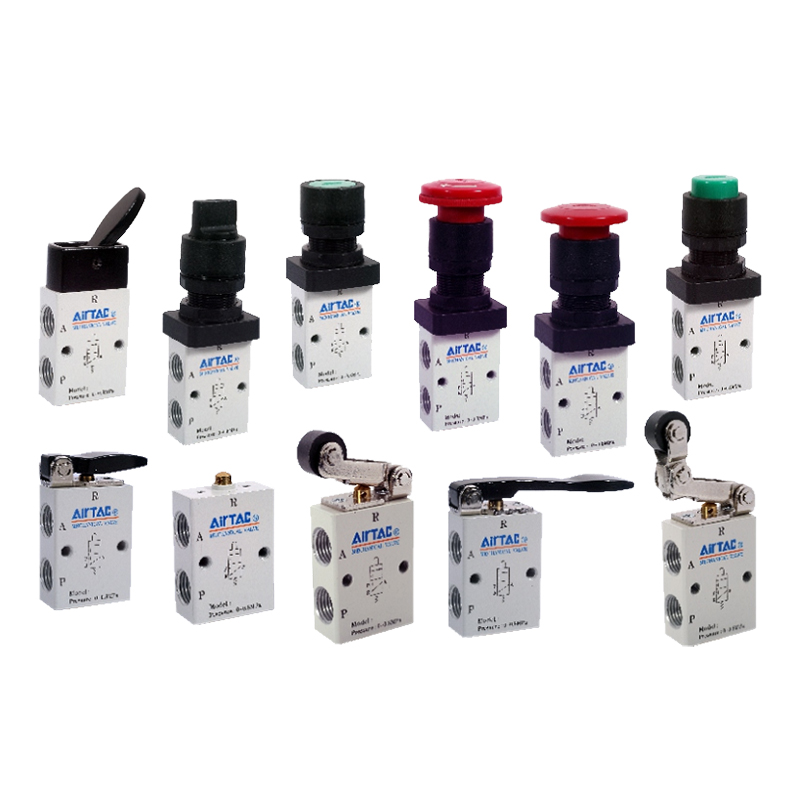
Disc spring: Disc springs have high elasticity and large deformation capacity, commonly used in mechanical valves with high pressure difference or high load to provide sufficient force to ensure the reliable operation of the valve.
Disc spring: Disc springs have high stiffness and high fatigue strength, suitable for mechanical valves with high requirements for service life to provide stable and reliable force.
Disc spring assembly: Combining multiple disc springs together can provide greater force and higher precision, which is suitable for mechanical valves with high requirements for precise force control.
II. Basis for the selection of spring for mechanical valve
Working pressure: Choose the appropriate spring according to the working pressure of the mechanical valve to ensure that the spring can operate normally within the working pressure range, and avoid the situation where the spring fails or is damaged due to too high or too low pressure.
Working temperature: Choose the appropriate spring according to the working temperature of the mechanical valve to ensure that the spring can operate normally within the working temperature range, and avoid the situation where the spring deforms or is damaged due to too high or too low temperature.
Magnitude and direction of force: Choose the appropriate spring according to the magnitude and direction of force required by the mechanical valve to ensure that the spring can provide sufficient force to open or close the valve, and at the same time avoid the situation where the force direction is incorrect and leads to spring damage or valve operation not smooth.
Type of mechanical valve: Choose the appropriate spring according to the type of mechanical valve to ensure that the spring can adapt to the working environment of the mechanical valve and avoid the situation where the spring does not match and leads to a decrease in the performance or damage of the mechanical valve.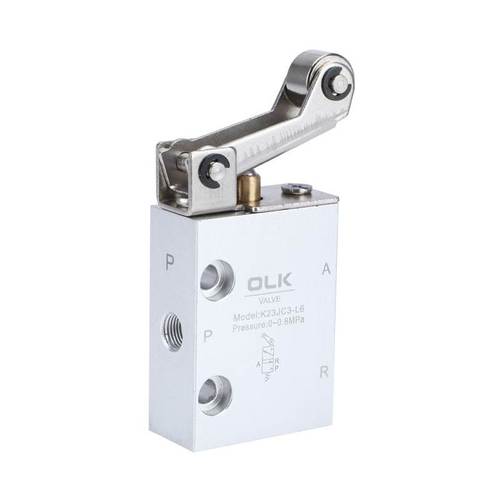
Service life: Choose the appropriate spring according to the service life of the mechanical valve to ensure that the spring can maintain good performance within the specified service period, and avoid the situation where the mechanical valve cannot operate normally due to spring failure or damage.
Cost and maintenance: Choose the appropriate spring according to the cost and maintenance requirements of the mechanical valve to ensure that the selection of the spring is both economical and easy to maintain, and avoid additional costs and maintenance difficulties caused by improper spring selection.
Summary
The selection of spring for the mechanical valve needs to take into account various factors such as working pressure, working temperature, the magnitude and direction of force, the type of mechanical valve, service life, and cost, in order to ensure the normal operation of the mechanical valve and extend its service life. The correct selection of springs can improve the performance and reliability of the mechanical valve, reduce maintenance costs, increase production efficiency, and bring greater economic benefits to the enterprise.